
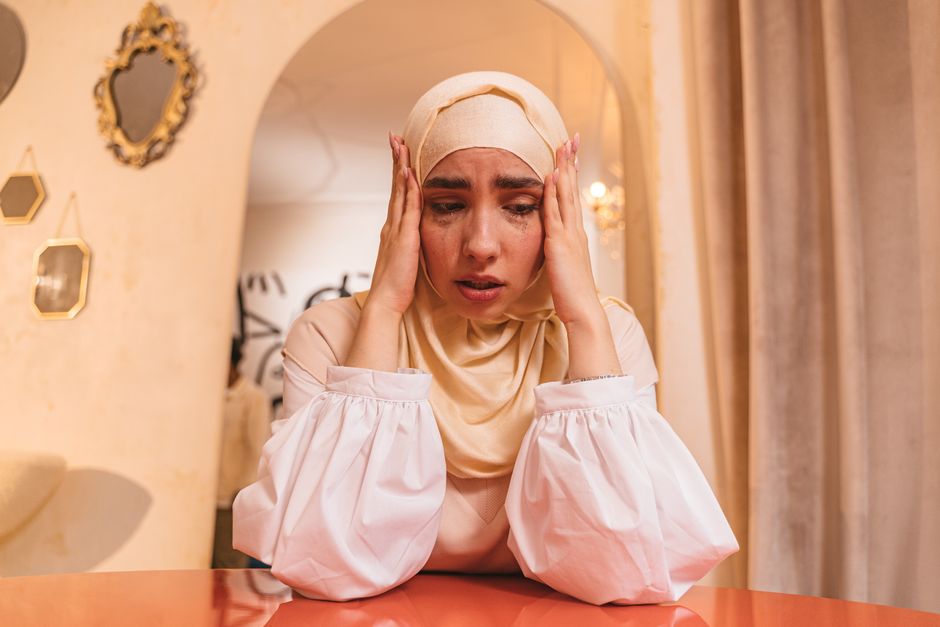
Crying is a normal physical response to strong emotion. Anxiety crying happens when your nervous system gets stuck in a state of high alert, and tears become the release valve. You can reduce how often it happens by calming your body first, then working on the thoughts and situations that keep your alarm system switched on.
Why Does Anxiety Make You Cry?
Tears are not a sign of weakness. They are part of how the human body manages intense emotional arousal.
When you feel threatened or overwhelmed, your body releases stress hormones, including cortisol and adrenaline. Your heart rate climbs. Your breathing gets shallow. Your muscles tense. Crying can help discharge some of that built-up tension. Many people report feeling drained but calmer afterward.
Anxiety is different from sadness in one important way. Sadness usually comes from loss. Anxiety comes from perceived threat, often a threat that has not happened and may never happen. Your body responds to that imagined threat as if it were real. The tears are real even when the danger is not.
Some people cry more easily when they are anxious because their baseline stress level is already high. A small trigger tips them over the edge. Others cry mostly in private, after holding it together all day. Both patterns are common.
There is also a biological reason anxiety and crying are linked. The same brain regions involved in processing threat and emotion, including the amygdala, connect to the areas that control tear production. When those circuits are overactive, tears can come without much warning.
What Happens in Your Body Right Before You Cry?
There is usually a build-up. Learning to notice it gives you a chance to intervene before the tears start.
Common early signals include:
- A lump in your throat or tightness in your chest
- Racing thoughts that feel impossible to slow down
- Shallow, fast breathing
- Heat in your face or neck
- A sudden urge to escape or hide
- Stinging or burning in your eyes
These signals are your nervous system moving into a fight-or-flight state. The window between the first signal and actual crying might be seconds or minutes. With practice, you can widen that window.
One non-obvious point: the lump in your throat during anxiety crying is partly a real physical event. The muscles around your vocal cords tighten, which narrows the airway and creates that pressure sensation. It is not imaginary.
How Do You Stop Anxiety Crying in the Moment?
You cannot always stop tears once they start. What you can do is shorten the episode and reduce how often it happens.
The fastest way to interrupt the cycle is through your breath. Slow, extended exhales activate the parasympathetic nervous system, which is the branch of your nervous system that calms you down. Try breathing in through your nose for a count of four and out through your mouth for a count of six to eight. The exact count matters less than making the exhale longer than the inhale.
Cold water on your face or wrists can also help. This triggers what is called the dive reflex, a built-in response that slows your heart rate. Splash cold water on your face, hold an ice cube, or run cool water over your hands.
Grounding techniques pull your attention out of the spiral. Name five things you can see, four you can touch, three you can hear, two you can smell, and one you can taste. This is not a distraction trick. It gives your brain concrete sensory input to process instead of the threat loop it was stuck in.
If you are in public, give yourself permission to step away. A bathroom, a hallway, or a parked car can work. Trying to force yourself to hold it in usually makes the pressure worse.
After the crying stops, do not immediately jump back into whatever you were doing if you can avoid it. Give yourself a few minutes. Drink water. The stress hormones take time to clear.
What Helps Reduce Anxiety Crying Over Time?
In-the-moment techniques manage episodes. They do not fix the underlying pattern. For that, you need to address the anxiety itself.
Cognitive behavioral therapy is one of the most studied treatments for anxiety disorders. It works by helping you identify and change the thought patterns that fuel anxiety. A therapist can also teach you specific skills for tolerating distress without crying.
Regular physical activity has a consistent evidence base for reducing anxiety symptoms. It does not need to be intense. Walking, swimming, cycling, or anything that raises your heart rate for a sustained period can help. The effect builds over weeks, not days.
Sleep matters more than most people realize. When you are sleep-deprived, your emotional regulation suffers. The amygdala becomes more reactive, and the prefrontal cortex, which helps you think clearly under stress, works less well. Adults generally need seven to nine hours, though individual needs vary.
Caffeine and alcohol can both make anxiety worse. Caffeine is a stimulant that mimics some physical symptoms of anxiety, which can create a feedback loop. Alcohol can feel calming at first but disrupts sleep and can increase anxiety the next day. Cutting back is often one of the first things clinicians suggest.
Some people find that writing about their anxiety helps. A journal can reveal patterns you did not notice, like specific situations or times of day that consistently trigger tears.
If anxiety crying is frequent, disruptive, or tied to a diagnosed anxiety disorder, medication may be part of the conversation. Selective serotonin reuptake inhibitors, or SSRIs, are commonly prescribed for anxiety disorders. Whether they are appropriate for you is a decision for you and a qualified clinician. No single treatment works for everyone.
When Should You Talk to a Professional?
Occasional anxiety crying is normal. It becomes a concern when it interferes with your daily life.
Consider reaching out for professional support if:
- You cry most days, even without a clear trigger
- Anxiety crying keeps you from work, school, or relationships
- You avoid situations because you are afraid of crying
- You feel hopeless, numb, or unable to cope
- You are using alcohol or other substances to manage anxiety
- Your sleep, appetite, or energy has changed significantly
Anxiety disorders are among the most common mental health conditions, and they are treatable. A primary care doctor can be a starting point. They can rule out other causes, such as thyroid problems or medication side effects, and refer you to a mental health professional if needed.
If you ever have thoughts of harming yourself, reach out for help right away. In the US, you can call or text 988 to reach the Suicide and Crisis Lifeline. It is available 24 hours a day.
What Makes Anxiety Crying Different From Sadness Crying?
The tears may look the same, but the triggers and the aftermath often differ.
Sadness crying usually follows a specific loss or disappointment. It tends to peak and then gradually ease as you process the emotion. Anxiety crying often comes from anticipation of something bad happening, or from a general sense of being overwhelmed. It can feel more like a pressure release than a grief response.
After sadness crying, many people feel a sense of relief or connection. After anxiety crying, people often feel embarrassed, exhausted, or still on edge. The threat has not passed because it was never a concrete event to begin with.
This distinction matters for treatment. If your crying is driven by anxiety, techniques that work for sadness, like allowing yourself to feel the emotion fully, may not help as much. Calming the nervous system and challenging anxious thoughts tend to be more useful.
Some people have both anxiety and depression. The two conditions often occur together. A clinician can help sort out what is driving the tears and what treatment approach makes sense.
Frequently Asked Questions
Can you stop yourself from crying when anxious?
Sometimes, especially if you catch the early physical signals and use a calming technique like slow breathing or cold water. Once crying has started, it is usually easier to let it finish than to force it to stop.
Is crying from anxiety a sign of a mental health condition?
Not by itself. Occasional anxiety crying is common and does not mean you have a disorder. It becomes more of a concern when it is frequent, hard to control, or interferes with daily life, which is when talking to a professional can help.
Does holding in tears make anxiety worse?
For some people, yes. Suppressing emotion takes effort and can increase physical tension and stress. Letting yourself cry in a safe place may help release some of that tension, though the evidence on this varies between individuals.
How long does anxiety crying usually last?
There is no standard duration. Some episodes last a minute or two, while others can go on longer if the anxiety keeps escalating. If episodes are frequent or last a long time, that is a good reason to seek professional support.
