
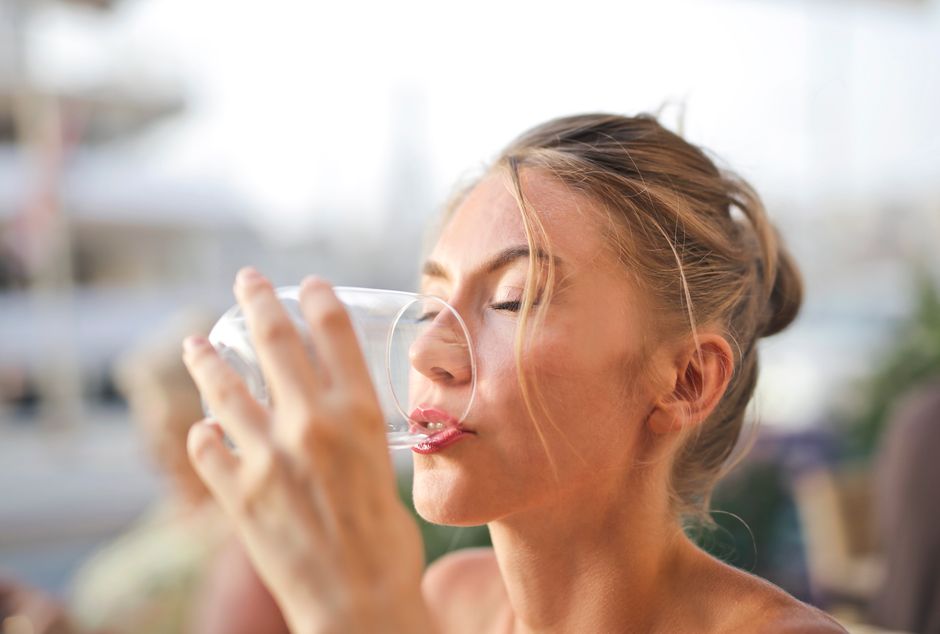
That heavy, wired, uneasy feeling the morning after drinking has a name: hangxiety. It happens because alcohol changes brain chemistry in ways that leave your nervous system temporarily out of balance. The most effective way to reduce it is to let your body clear the alcohol, rehydrate, eat something light, and avoid more drinking to “take the edge off” — that last move usually makes the next round of anxiety worse.
There is no pill or trick that erases hangxiety in minutes. What works is understanding why it happens and making a few sensible choices that help your body and brain settle. Below is what the evidence supports, what is mostly guesswork, and what to do the next time it hits.
Why Do I Get Anxiety After Drinking Alcohol?
Alcohol is a depressant that boosts the calming neurotransmitter GABA and suppresses glutamate, the brain’s main excitatory chemical. That is why a drink or two can feel relaxing. Your brain then adjusts to keep itself balanced.
As alcohol clears, the pendulum swings the other way. GABA activity drops below baseline and glutamate rebounds, leaving your nervous system more excitable than usual. That shift shows up as a racing heart, restlessness, a sense of dread, and trouble settling. It is a real physiological effect, not a character flaw.
There is a second layer. Alcohol disrupts sleep, especially the deeper restorative stages, even when you fall asleep fast. Poor sleep on its own reliably raises anxiety the next day. Alcohol also affects blood sugar regulation and causes mild dehydration, both of which can add to shakiness and a sense of unease.
Some people are more prone to this than others. If you already live with an anxiety disorder, the rebound can hit harder. The same is true if you drink heavily or drink late into the night.
What Is the Fastest Way to Stop Anxiety After Drinking Alcohol?
Time is the single biggest factor. Your liver clears alcohol at a fairly steady rate, and nothing speeds that up meaningfully — not coffee, not a cold shower, not a big breakfast. The anxiety eases as the alcohol and its byproducts leave your system.
What you can do is support the recovery instead of fighting it:
- Rehydrate. Drink water steadily through the morning. Alcohol causes you to lose more fluid than usual, and mild dehydration worsens the shaky, foggy feeling.
- Eat something light. A small meal with some protein and complex carbohydrate can steady blood sugar, which helps with jitteriness and low mood.
- Skip caffeine for a while. Coffee and energy drinks raise heart rate and can amplify the physical sensations of anxiety. Wait until you feel steadier.
- Get gentle movement. A short walk in daylight helps more than intense exercise when you feel rough. Light exposure also helps reset your body clock after disrupted sleep.
- Rest if you can. A nap will not “cure” it, but fatigue makes anxiety harder to manage.
Avoid the urge to have another drink to calm down. It may bring a few hours of relief, but it restarts the same cycle and tends to make the next wave worse.
Does Drinking More Help With Hangxiety?
No. A “hair of the dog” drink can briefly ease symptoms because it quiets the rebound in brain chemistry, but it prolongs the underlying problem. You are essentially pushing the same pendulum swing later into the day.
This pattern matters because repeated use of alcohol to manage withdrawal-type anxiety is one of the ways a difficult relationship with drinking develops. If you find yourself needing a drink to feel normal the morning after, that is worth paying attention to and talking about with a doctor.
How Long Does Anxiety After Drinking Last?
For most people, hangxiety peaks in the morning and fades over several hours to a day. It usually tracks with how much you drank and how late you stopped.
How long it lasts depends on how quickly your body clears the alcohol. As a general guide, the liver processes roughly one standard drink per hour, but this varies with body size, sex, food intake, and liver health. Symptoms that drag on well beyond a day, or that come with severe shaking, sweating, nausea, or a racing heart, are a reason to seek medical advice rather than wait it out.
If you drink heavily and regularly, withdrawal can be more serious than ordinary hangxiety and can, in some cases, be dangerous. That is a situation for medical guidance, not self-management.
What Makes Hangxiety Worse?
Several common habits make the morning-after anxiety more intense. Knowing them helps you avoid stacking problems on top of an already stressed system.
- More alcohol. It restarts the cycle and delays recovery.
- Caffeine. It raises heart rate and mimics the physical signs of anxiety, which can feed the mental side.
- Nicotine. It is a stimulant and can sharpen restlessness and a racing heart.
- Poor sleep and late nights. The later you drink, the more your sleep is disrupted.
- Drinking on an empty stomach. It tends to raise blood alcohol faster and hit harder.
- Ruminating. Replaying the night and worrying about what you said or did is common and can spiral. Naming it as a hangover symptom rather than a real problem helps take some of its power away.
One thing people often miss: the anxiety is largely chemical, not a sign that something is genuinely wrong with your life. That does not make it feel less real, but it can stop a bad morning from turning into a bad week.
Can I Prevent Anxiety After Drinking?
The most reliable way to prevent hangxiety is to drink less or not at all. The evidence here is straightforward — the intensity of the rebound generally tracks with how much alcohol is in your system.
If you do drink, a few practical steps can reduce the odds of a rough morning:
- Eat before and during drinking.
- Alternate alcoholic drinks with water.
- Set a limit before you start and pace yourself.
- Stop drinking several hours before bed when possible.
- Choose lower-alcohol options.
None of these is a guarantee. They lower the load on your system, but they do not eliminate the rebound effect. There is no supplement or product with strong clinical evidence showing it prevents hangxiety, despite what marketing suggests. Be skeptical of anything sold as a hangover cure.
When Should I Talk to a Doctor?
Occasional hangxiety after a heavy night is common and usually settles on its own. Some situations call for medical input rather than home remedies.
Talk to a doctor if you notice any of the following:
- You need alcohol to feel normal the morning after drinking.
- You experience shaking, heavy sweating, a racing heart, or confusion when you stop drinking.
- Your anxiety after drinking is severe or lasts more than a day.
- You are drinking more than you intend, or finding it hard to cut back.
- You have thoughts of harming yourself.
Heavy, regular drinking can lead to withdrawal that is medically serious, and in some cases dangerous. That is not something to manage alone. A doctor can assess what is going on and help safely.
If anxiety around alcohol is part of a bigger pattern, treatment for an anxiety disorder or for alcohol use can make a real difference. Both are treatable, and getting help early tends to go better than waiting.
Frequently Asked Questions
How long does hangxiety last?
For most people it peaks in the morning and eases over several hours to about a day. It usually tracks with how much you drank and how late you stopped.
Does coffee help with anxiety after drinking?
No, coffee can make it worse. Caffeine raises heart rate and can amplify the physical feelings of anxiety while you are already recovering.
Is it normal to feel anxious the day after drinking?
Yes, it is common and has a clear physiological cause. Alcohol and its rebound effects on brain chemistry and sleep leave the nervous system more excitable the next day.
Can I stop hangxiety fast?
There is no way to erase it quickly, because your body needs time to clear the alcohol. Rehydrating, eating lightly, and resting help you recover while it passes.
