
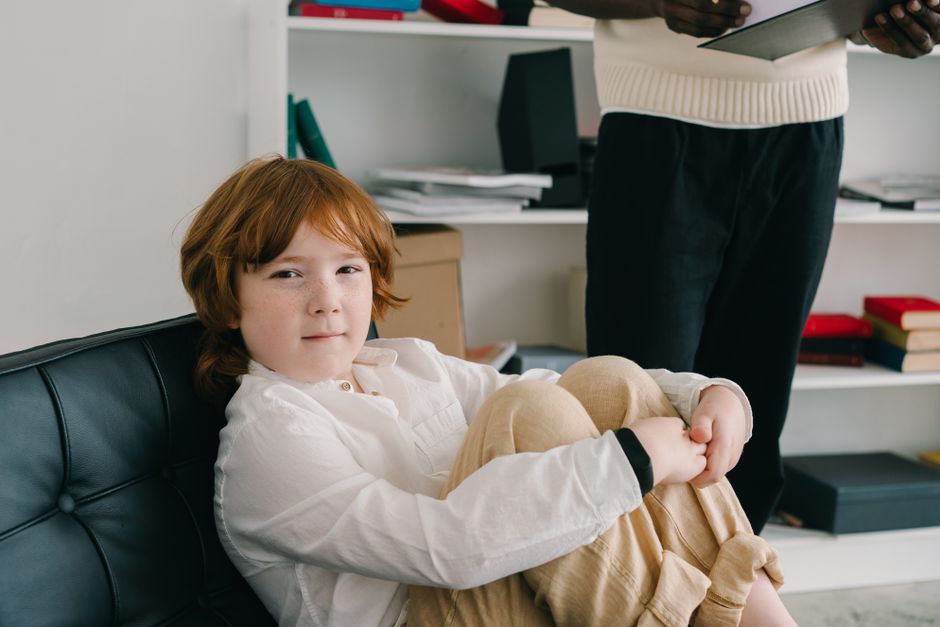
When an autistic child makes repetitive noises, the goal is not to stop the sounds entirely but to understand what the sounds do for the child and to teach alternative ways to meet that need. Autistic children often make noises to regulate their sensory system, communicate a want, or express emotion. The most effective approach combines sensory support, communication tools, and patience—not punishment. You cannot force the behavior to stop, but you can change the environment and teach skills that reduce the need for the noise.
Why Does My Autistic Child Make Noises?
Noise-making in autistic children is usually a form of stimming—self-stimulatory behavior. Stimming is a repetitive movement, sound, or action that helps the brain regulate itself. It can feel calming, satisfying, or even joyful to the child.
Think of it like tapping your foot when you are nervous or humming when you are concentrating. For an autistic child, the noise serves a real purpose. It may block out overwhelming background sounds, release built-up energy, or simply feel good. The noise is not a behavior problem in itself. It is a sign that the child’s nervous system is doing something useful.
Some children make noises when they are happy. Others do it when they are anxious or overstimulated. The same child may make different noises for different reasons. Before you can change the behavior, you need to know what it does for your child.
How To Stop An Autistic Child From Making Noises: Start With Observation
Before trying any strategy, track the noise for a few days. Write down what happens right before the noise, what the noise sounds like, and what happens right after. This is called an ABC analysis—Antecedent, Behavior, Consequence.
You may notice patterns. The noise often happens during transitions, in loud stores, or when the child is asked to do something difficult. The noise may stop when you give attention, when the child gets a preferred toy, or when the environment gets quieter. These patterns tell you what the noise is for.
If the noise happens mainly in noisy places, the child is likely trying to block out sound. If it happens during tasks, it may be a way to cope with frustration. If it happens during play, it is probably joy. Each pattern points to a different solution.
Replace The Noise With A Compatible Alternative
The most effective way to reduce loud or disruptive noises is to offer a replacement that meets the same sensory need. You are not taking something away. You are swapping it for something that works better for both of you.
If the child is seeking auditory input—meaning they crave sound—try giving them something that produces sound in a more controlled way. Options include:
- A musical instrument like a small drum or shaker
- Noise-canceling headphones with music the child enjoys
- A white noise machine at a comfortable volume
- Humming or singing a favorite song together
- Vibrating toys that provide input through the hands
If the child is making noise to block out overwhelming sounds, the replacement is not another noise. It is reducing the noise in the environment. Turn off the television, close the window, or move to a quieter room. Ear defenders or noise-canceling headphones can help in unavoidable loud places.
The replacement must be as satisfying as the original behavior. If the child needs loud sound, a whisper will not work. If they need vibration, a soft toy will not help. Match the intensity of the replacement to the intensity of the need.





Teach Communication As A Replacement For Noise
Some noises are not stimming at all. They are attempts to communicate. A child who cannot yet say “I want a break” or “this is too loud” may use a repeated sound to get the message across.
If the noise is communicative, teach a more effective way to express the need. This could be a word, a sign, a picture card, or a button that plays a recorded message. For example, if the child makes a high-pitched squeal when they want a drink, teach them to press a button that says “drink” or to hand you a cup.
This takes time. The child has learned that the noise works. You are teaching them that a new method also works. Reward every attempt to use the new method, even if it is imperfect. If they point at the cup and grunt, that is progress. Respond immediately so they learn the new method is reliable.
If the noise happens during transitions—like moving from play to bath time—the child may be signaling distress. A visual schedule with pictures of the day’s steps can reduce the anxiety that causes the noise. Knowing what comes next makes the world feel safer.
When To Seek Professional Help
You do not need to handle this alone. An occupational therapist who specializes in sensory processing can assess your child’s specific sensory profile and create a plan tailored to their needs. They can identify whether the child is seeking sensory input, avoiding it, or both.
A speech-language pathologist can help if the noise appears to be an attempt to communicate. They can introduce augmentative and alternative communication systems such as picture exchange or speech-generating devices. These tools are not a last resort. They are legitimate, evidence-based ways to give a non-speaking or minimally speaking child a voice.
A behavioral therapist trained in Applied Behavior Analysis (ABA) can help identify the function of the noise and design a plan to teach replacement behaviors. Some families find ABA helpful. Others prefer different approaches. The important thing is that the therapist works with your child’s needs, not against them.
There are no medications approved specifically to stop stimming noises. Some medications for anxiety or hyperactivity may reduce overall distress, which can reduce stimming, but this is not their primary purpose. Discuss any medication questions with your child’s pediatrician or psychiatrist. Never give a child medication to suppress stimming without a clear medical reason.
What Not To Do When Your Child Makes Noises
Do not punish the noise. Punishment can increase anxiety, which often increases stimming. A child who is punished for making noise may learn to hide their distress, not to resolve it. The noise may also move underground—appearing as more disruptive behaviors or increased internal stress.
Do not demand silence as a blanket rule. Some settings require quiet, like a library or a classroom test. But expecting a child to be silent at home or in the car may be unrealistic and unnecessary. Choose your battles. If the noise is not harmful and does not disrupt others, consider letting it be.
Do not assume the noise means the child is misbehaving. Autistic children are not typically “acting out” when they stim. They are regulating their bodies in the best way they know how. Approaching the behavior with curiosity rather than frustration changes the entire dynamic.
Do not try to stop the noise without offering an alternative. Removing a coping mechanism without replacing it leaves the child without a way to regulate. This can lead to meltdowns, increased anxiety, or the emergence of a different, possibly more disruptive stim.
When The Noise Is Harmful Or Disruptive
Some noises are not just annoying—they are harmful. A child who hits their own ears while making noise, screams until hoarse, or makes sounds that prevent them from participating in school may need more intensive support.
In these cases, work with your child’s team. The school may have an Individualized Education Program (IEP) that can include sensory breaks, noise-canceling headphones, or a quiet workspace. These accommodations are legal rights under the Individuals with Disabilities Education Act (IDEA) for eligible students.
If the noise is causing physical harm, seek an evaluation from a developmental pediatrician or child psychologist. They can rule out underlying medical issues such as ear pain, dental problems, or gastrointestinal discomfort that may be driving the behavior. Sometimes the noise is a response to physical pain that the child cannot otherwise express.
Remember that the goal is not a silent child. The goal is a child who can regulate their sensory system, communicate their needs, and participate in life without distress. Sometimes that means the noises continue. That is acceptable. A child who is calm and connected is more important than a child who is quiet.
Frequently Asked Questions
Is it bad to let my autistic child make noises all day?
No, stimming noises are a normal and often necessary way for autistic children to regulate their sensory system. The concern is only when the noise causes harm, prevents learning, or significantly disrupts daily life.
Can I train my autistic child to stop making noises?
You can teach replacement behaviors that meet the same sensory need, but you cannot simply train the noise away without offering an alternative. The noise serves a purpose, and that purpose still needs to be fulfilled.
What if my child only makes noises at school and not at home?
This often means the school environment is more overwhelming or demanding than home. Work with the teacher to identify what triggers the noise and request sensory accommodations through the school’s support system.
Will my child grow out of making noises?
Some children reduce their stimming as they develop better self-regulation and communication skills, but many autistic adults continue to stim throughout life. This is not a failure—it is a valid way of managing sensory input.
