
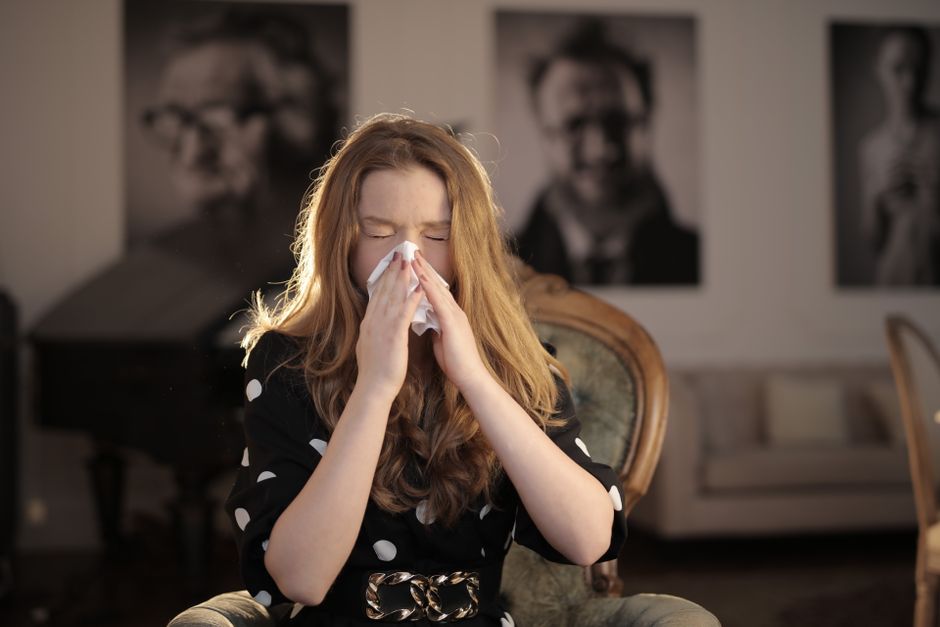
Allergy season hits hard for millions of people. You want relief, but you also want to know what actually works. The scientific evidence points to a few natural approaches that genuinely reduce symptoms—things like saline nasal rinses, certain plant compounds, and reducing indoor triggers. Other popular remedies have little or no evidence behind them. Here is what the science says about stopping allergies naturally.
What Causes an Allergic Reaction?
Allergies happen when your immune system mistakes a harmless substance for a threat. Pollen, dust mites, mold, and pet dander are common culprits. When you breathe these in, your immune system releases chemicals like histamine. Histamine causes swelling, itching, and mucus production. That is why your nose runs and your eyes water.
This response is not a weakness. It is your immune system doing its job—just aimed at the wrong target. Understanding this helps you see why some natural approaches work. They either block histamine, calm the immune response, or keep the trigger out of your body in the first place.
Saline Nasal Rinses Are the Most Proven Natural Option
If you do one thing, consider a saline nasal rinse. This is not a new-age remedy. It is a well-established method used by doctors for decades. A neti pot or a squeeze bottle with sterile salt water flushes pollen and mucus out of your nasal passages.
Research consistently shows that saline irrigation reduces allergy symptoms and improves quality of life. It works by physically removing allergens before they can trigger a reaction. It also thins mucus, making it easier to breathe. Use distilled, sterile, or previously boiled water. Never use tap water directly—it can contain organisms that cause serious infections.
Some studies suggest that adding a small amount of salt and baking soda helps maintain the natural pH of your nose. You can buy premixed saline packets at most pharmacies. Use the rinse once or twice a day during allergy season.
Quercetin and Other Plant Compounds: What the Evidence Shows
Quercetin is a plant pigment found in onions, apples, and green tea. In laboratory studies, it blocks histamine release from immune cells. This has led many people to use it as a natural antihistamine.
The honest position is that human clinical trials are limited. Some small studies suggest quercetin may reduce allergy symptoms, but the evidence is not strong enough for a firm recommendation. The doses used in studies are often higher than what you get from food alone. If you try a quercetin supplement, look for a reputable brand. Talk to your doctor first, especially if you take other medications.
Butterbur is another plant extract with some evidence behind it. A few studies have compared butterbur to antihistamine medications and found similar effects. However, raw butterbur contains compounds that can damage the liver. Only use products labeled as free of pyrrolizidine alkaloids. The evidence is promising but not overwhelming.




How To Stop Allergies Naturally According To Science: Indoor Triggers
You cannot control what grows outside, but you have significant control over your indoor environment. Dust mites are one of the most common year-round allergens. They thrive in bedding, carpets, and upholstered furniture.
Using allergen-proof covers on your mattress and pillows creates a physical barrier. Washing sheets in hot water—at least 130°F—kills dust mites. Keeping indoor humidity below 50 percent makes it harder for dust mites and mold to survive. A dehumidifier can help in damp climates.
Pet dander is another major trigger. If you have a pet, keep it out of the bedroom. This simple step reduces your exposure during the eight hours you sleep. HEPA air purifiers can remove airborne allergens, but the evidence for their effectiveness is mixed. They help in some homes, not in others. They are not a cure, but they can be part of a broader strategy.
Local Honey Does Not Work the Way You Think
Local honey is a popular natural allergy remedy. The idea sounds logical: eating local honey exposes you to local pollen, building immunity over time. The problem is that bees collect pollen from flowers, not from the grasses and trees that cause most allergic reactions. These are completely different types of pollen.
Some research suggests honey may help with allergy symptoms, but the evidence is weak and inconsistent. No large human trials have confirmed that local honey reduces seasonal allergies. It tastes good and it is a fine sweetener, but do not rely on it as a treatment.
Vitamin C and Other Supplements: What the Science Says
Vitamin C is often promoted as a natural antihistamine. It does have mild antihistamine properties, and some small studies suggest it may reduce symptoms. However, the effect is modest, and high doses can cause digestive upset. Getting vitamin C from fruits and vegetables is safe and healthy. Supplementing with large doses specifically for allergies is not strongly supported by evidence.
Omega-3 fatty acids, found in fish oil, have anti-inflammatory properties. Some studies suggest they may reduce allergy symptoms, particularly in children. The evidence is not definitive. If you already take fish oil for other reasons, it might help. But do not expect dramatic results.
Probiotics are another area of active research. The idea is that gut health influences immune function, including allergic responses. Some studies show benefits, others show none. The evidence is mixed, and there is no consensus on which strains or doses work best.
When Natural Approaches Are Not Enough
Natural methods can reduce symptoms, but they may not eliminate them. If your allergies are severe or affecting your sleep, work, or daily life, do not avoid medical treatment. Over-the-counter antihistamines and nasal steroid sprays are well-studied and effective. They are not a failure—they are a tool.
Allergy immunotherapy, commonly known as allergy shots or under-the-tongue tablets, is the only treatment that changes the underlying immune response. It does not just manage symptoms; it retrains your immune system to tolerate the allergen. This is a long-term commitment, usually lasting three to five years, but it is the closest thing to a cure.
Some people try many natural remedies and continue to suffer. If that sounds like you, see an allergist. They can test you to identify exactly what triggers your symptoms. This information lets you target your avoidance strategies more effectively. A personalized plan based on your specific allergens is always more effective than a general approach.
Lifestyle Factors That Influence Allergies
Stress makes allergies worse. Studies have shown that people under stress have more severe allergic reactions. This is likely because stress hormones influence the immune system. Managing stress through exercise, adequate sleep, or other methods may reduce the intensity of your symptoms.
Exercise itself can be tricky for people with allergies. Outdoor exercise during high pollen times exposes you to more allergens. Exercising indoors or after rain, when pollen counts are lower, is a practical strategy. Some research suggests that regular exercise may reduce overall inflammation, which could help with allergies over time.
Diet plays a supporting role. A diet rich in fruits, vegetables, and whole grains provides antioxidants and anti-inflammatory compounds. No specific diet cures allergies, but a healthy diet supports your immune system. The Mediterranean diet has been associated with lower rates of allergic disease in some observational studies, though this does not prove causation.
How To Stop Allergies Naturally According To Science: A Practical Plan
Start with the methods that have the strongest evidence. Saline nasal rinses are safe, inexpensive, and proven to help. Reducing dust mites and pet dander in your bedroom reduces your overnight exposure. Keeping windows closed during high pollen days and running air conditioning instead of fans helps keep indoor air cleaner.
Add supplements only if you want to experiment, and tell your doctor about everything you take. Quercetin and butterbur have some evidence, but the results are not guaranteed. Local honey and high-dose vitamin C are not supported by strong evidence.
Track your symptoms and see what works for you. Allergy relief is personal. What helps one person may not help another. The scientific evidence gives you a starting point, but your own experience tells you what to continue and what to drop.
If symptoms persist despite your best efforts, seek medical help. Antihistamines, nasal steroids, and immunotherapy are safe, effective options with decades of research behind them. Natural does not always mean better. The best approach is the one that works.
Frequently Asked Questions
Can allergies be cured naturally?
No natural method cures allergies. Saline rinses, reducing indoor triggers, and some supplements can reduce symptoms, but they do not change the underlying immune response.
Does local honey help with seasonal allergies?
The evidence is weak. Bees collect flower pollen, while most allergies come from grass and tree pollen, so local honey does not expose you to the allergens that trigger your symptoms.
Is a neti pot safe to use daily?
Yes, when used correctly. Always use distilled, sterile, or previously boiled water, and clean the device after each use to prevent infection.
What is the most effective natural allergy treatment?
Saline nasal rinses have the strongest evidence. They physically remove allergens and mucus from your nasal passages, reducing symptoms without medication.
