
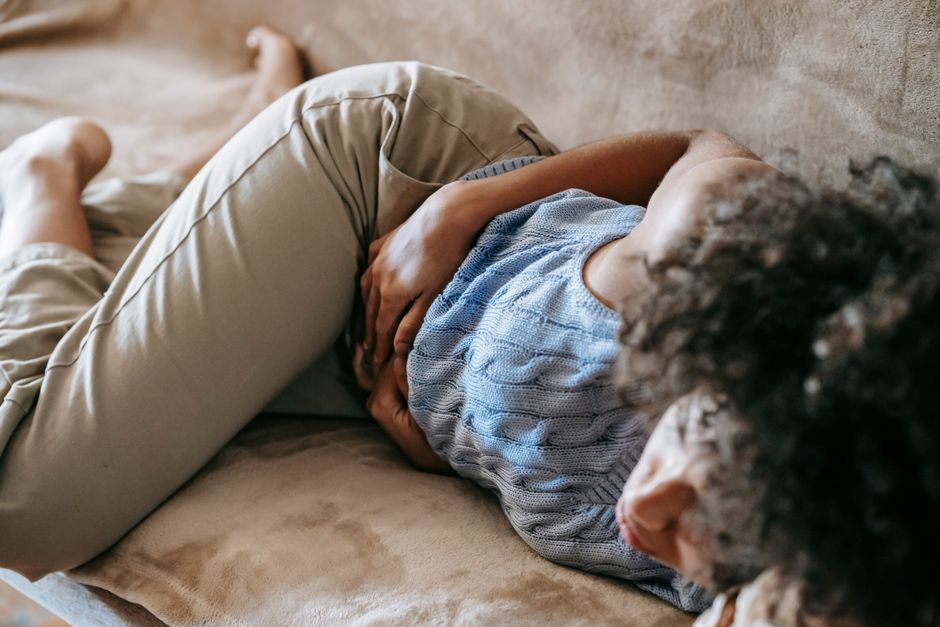
Abdominal cramps with diarrhea happen because your intestine is contracting harder and faster than normal to move contents along. You cannot stop that reflex instantly, but you can ease it. The most reliable steps are replacing lost fluids and salts, eating bland food as tolerated, and using an over-the-counter anti-diarrheal medicine only when it is safe for your situation. Most short bouts improve within one to two days without treatment.
What matters most is knowing when simple self-care is enough and when cramps and diarrhea signal something that needs medical attention. That line is clearer than most people think.
What Causes Abdominal Cramps With Diarrhea?
Cramps are the sensation of your intestinal muscles squeezing. The medical term is peristalsis — the wave-like contractions that push food and waste through the gut. When the lining of the intestine is irritated, these contractions become stronger and more frequent. That is what produces both the cramping pain and the urgent, loose stools.
Common triggers include viral infections (often called stomach flu, though it is not influenza), food poisoning from bacteria or their toxins, and food intolerance such as lactose. Some people get diarrhea from antibiotics because the drugs disturb the normal gut bacteria. Irritable bowel syndrome and inflammatory bowel disease can also cause cramping with diarrhea, but those are chronic conditions rather than short-lived illnesses.
The key distinction is duration. A bout that clears in a day or two is usually infectious or food-related. Cramps and diarrhea that persist for weeks point toward a different cause and deserve a medical workup.
How To Stop Abdominal Cramps With Diarrhea
You cannot switch off the cramping directly, but you can reduce the irritation driving it. The approach rests on three things: fluids, food, and — when appropriate — medication.
Fluids come first. Diarrhea loses water and electrolytes, especially sodium and potassium. An oral rehydration solution is the most effective option because it replaces salts in the right proportions. These are sold as powders or ready-made drinks at pharmacies. If you cannot get one, water plus a salty snack can help, but plain water alone does not replace electrolytes.
Eat as tolerated. The old advice to avoid all food is outdated. The general guidance is to keep eating bland, easy-to-digest foods if you feel able. Bananas, rice, applesauce, and toast are commonly recommended. There is no strong trial evidence that this specific combination treats diarrhea, but it is gentle and provides some energy and bulk. Avoid greasy, very spicy, or high-sugar foods, and cut back on dairy if it seems to worsen things.
Anti-diarrheal medicine can help — with limits. Loperamide is the most widely used over-the-counter option. It slows intestinal movement, which can reduce cramping and stool frequency. It is not appropriate for everyone. Do not use it if you have a fever or bloody stools, because slowing the gut in a bacterial infection can trap the infection and make it worse. Bismuth subsalicylate is another over-the-counter option; it can reduce stool frequency but may darken the tongue and stool.
Never give anti-diarrheal medicines to children without checking with a clinician first. The safety guidance differs for young children, and dehydration is a greater risk in that age group.
Does Diet Help Settle Cramps Faster?
Diet supports recovery but does not cure the underlying cause. The goal is to avoid irritating the gut further while it heals.
- Choose bland, low-fat foods: rice, plain pasta, potatoes, crackers, and cooked vegetables.
- Drink fluids steadily between meals rather than large amounts at once.
- Limit caffeine and alcohol, which can worsen dehydration and irritate the gut.
- Go easy on high-fiber foods and very fatty or spicy meals until symptoms settle.
- Reintroduce normal foods gradually over a day or two.
Probiotics are often marketed for diarrhea. The evidence is mixed. Some studies suggest certain strains may shorten antibiotic-associated diarrhea, but results vary by strain and condition, and no single product is established as a reliable treatment for acute infectious diarrhea. Treat them as optional, not essential.
When Should You See a Doctor?
Most diarrhea with cramps is self-limiting, but some signs mean you should seek medical care promptly. These are well-established warning signs, not gray areas.
- Blood or black, tarry material in your stool
- A fever of 102°F (38.9°C) or higher
- Signs of dehydration: little or no urine, dry mouth, dizziness on standing, or unusual tiredness
- Severe or unrelenting abdominal pain, especially pain that localizes to one area
- Diarrhea lasting more than two days in an adult, or any diarrhea in a young child with signs of dehydration
- Recent travel or antibiotic use followed by diarrhea
Severe pain that settles in the lower right abdomen deserves urgent attention, because it can signal appendicitis or another condition that is not simple gastroenteritis. Persistent diarrhea after travel or antibiotics can point to a specific infection that may need testing.
How Long Do Cramps and Diarrhea Usually Last?
Viral gastroenteritis typically improves within one to three days, though loose stools can linger a little longer as the gut lining recovers. Food poisoning often resolves within 24 to 48 hours. Symptoms that stretch beyond a week suggest a cause other than a routine infection.
Recovery time depends on the cause, your age, and how well you stay hydrated. Older adults and people with chronic conditions can take longer and are at higher risk of dehydration, so they should be quicker to seek advice.
What About Children and Older Adults?
Dehydration is the main danger from diarrhea, and it hits the very young and the elderly hardest. In infants and young children, watch for fewer wet diapers, a dry mouth, no tears when crying, and unusual sleepiness. Oral rehydration solution is the standard treatment for mild to moderate dehydration in children. No over-the-counter diarrhea medicine should be given to a child without a clinician’s guidance.
For older adults, the risk comes from smaller body water reserves and from medications such as diuretics that increase fluid loss. Staying ahead of dehydration matters more than treating the cramps themselves.
What Not to Do
Some common habits make things worse. Do not take anti-diarrheal medicine if you have a fever or bloody stools. Do not rely on sports drinks as your main fluid source — they are designed for sweat loss during exercise and contain more sugar and less sodium than rehydration solutions. Do not fast for long periods hoping to “rest” the gut; eating as tolerated is generally better. And do not assume every bout of diarrhea needs antibiotics. Most cases are viral, and antibiotics do nothing for viruses.
Frequently Asked Questions
How do you stop diarrhea cramps fast?
Replace fluids with an oral rehydration solution, eat bland food as tolerated, and use loperamide only if you have no fever or blood in your stool. These steps ease symptoms but do not cure the cause, so rest and time matter too.
What is the fastest way to stop diarrhea?
There is no instant fix, but loperamide can slow the gut and reduce stool frequency in adults without fever or bloody stools. Most cases resolve on their own within one to three days with fluids and rest.
When should I worry about diarrhea and cramps?
Seek care for blood in the stool, a fever of 102°F (38.9°C) or higher, severe pain, signs of dehydration, or diarrhea lasting more than two days in an adult. These signs suggest a cause that may need testing or treatment.
Should I eat if I have diarrhea and cramps?
Yes, eating bland foods as tolerated is generally recommended over fasting. Choose low-fat, easy-to-digest options and drink fluids steadily, avoiding greasy, spicy, or very sugary foods.
