
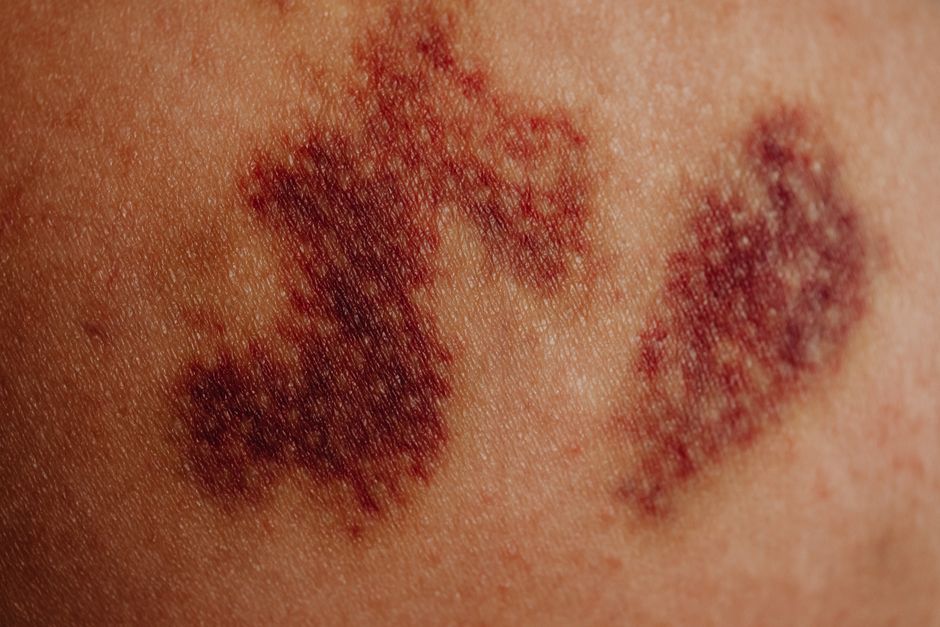
Most bleeding from small cuts and scrapes stops with steady, direct pressure in a few minutes. Press firmly on the wound with a clean cloth or gauze, keep pressing without lifting to check, and add more material on top if blood soaks through. For serious bleeding, call 911 right away and keep pressure on until help arrives.
That is the short version. The details matter, though, because the way you apply pressure and what you do next can change the outcome. This guide walks through the first aid steps for bleeding wounds, when a cut needs medical care, and the mistakes that make bleeding worse.
How To Stop A Wound From Bleeding First Aid Steps
Direct pressure is the single most effective thing you can do for most bleeding wounds. The goal is simple: press on the source of the bleeding until a clot forms and seals the injured blood vessel.
Here are the steps in order:
- Wash your hands if you can, or wear disposable gloves. This protects both you and the injured person from infection.
- Apply firm, direct pressure with a clean cloth, gauze, or bandage. Use your full hand if needed.
- Keep pressing for several minutes without lifting the cloth to peek. Lifting can pull away a forming clot.
- Add more material on top if blood soaks through. Do not remove the first layer.
- Elevate the wound above heart level if possible. This can slow blood flow to the area.
- Secure the dressing with tape or a bandage once bleeding slows.
For a minor cut, this usually works within a few minutes. If bleeding does not slow after about 10 minutes of steady pressure, that is a sign the wound may need medical attention.
One point people often miss: pressing lightly and checking every few seconds does not work. Pressure needs to be firm and continuous. The clot needs uninterrupted time to form.
What Should You Do If Blood Soaks Through The Bandage?
Add more material on top of the soaked dressing. Do not remove the original cloth or gauze.
Removing the first layer can tear away a clot that is starting to form, and bleeding restarts. Instead, place fresh gauze or cloth directly over the soaked material and press harder. Keep adding layers as needed.
If the wound is on a limb and bleeding is severe, you can press on the nearest pressure point. This means pressing the main artery above the wound against the bone. For example, for a wound on the lower arm or hand, press the brachial artery on the inside of the upper arm. For a leg wound, press the femoral artery in the groin area.
Pressure points are a backup method. Direct pressure on the wound itself is still the priority.
When Is Bleeding Serious Enough To Call 911?
Call 911 for bleeding that is spurting, pulsing, or flowing steadily and not slowing with pressure. These are signs of a serious injury that needs emergency care.
Other signs that mean call for help right away:
- Blood is pumping or spurting from the wound
- Bleeding does not slow after 10 minutes of firm, continuous pressure
- The wound is deep, gaping, or exposes muscle, bone, or fat
- Bleeding is from the head, neck, chest, or abdomen
- The person is pale, cold, confused, dizzy, or losing consciousness
- An object is embedded in the wound
If an object is stuck in the wound, do not pull it out. Press around it, not on it, and let medical professionals remove it. Removing an embedded object can cause more bleeding and tissue damage.
While waiting for help, keep pressure on the wound and keep the person lying down and warm. Shock can develop quickly with heavy blood loss.


How Do You Care For A Wound After The Bleeding Stops?
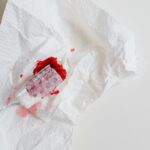
Once bleeding has stopped, clean the wound gently with running water. Wash around the wound with mild soap, but try to keep soap out of the wound itself, since it can irritate tissue.
Remove any visible dirt or debris with clean tweezers that have been wiped with rubbing alcohol. Then pat the area dry and cover it with a sterile bandage or gauze.
Change the bandage at least once a day, and sooner if it gets wet or dirty. Watch for signs of infection over the next few days:
- Increasing redness, swelling, or warmth around the wound
- Throbbing pain that gets worse instead of better
- Pus or a foul odor
- Red streaks spreading from the wound
- Fever or chills
If any of these appear, see a doctor. Most minor wound infections are treatable, but they should not be ignored.
Should You Use A Tourniquet?
A tourniquet is for life-threatening bleeding on an arm or leg that cannot be controlled with direct pressure. It is not for routine cuts.
When used correctly, a tourniquet can save a life. It tightens around the limb above the wound to cut off blood flow. Modern first aid guidance supports tourniquet use for severe extremity bleeding, because the risk of death from blood loss is greater than the risk of limb damage from the tourniquet.
If you use one:
- Place it 2 to 3 inches above the wound, not directly on a joint
- Tighten until bleeding stops
- Note the time it was applied
- Do not loosen or remove it — leave that to medical professionals
Improvised tourniquets made from belts or clothing are a last resort. A proper manufactured tourniquet works better. If you do not have one and bleeding is severe, use whatever you have and get emergency help fast.
What Are Common Mistakes When Treating A Bleeding Wound?
The most common mistake is lifting the cloth to check whether bleeding has stopped. This disrupts the clot and restarts bleeding.
Other mistakes that make things worse:
- Using a tourniquet for minor bleeding. This is unnecessary and can cause harm.
- Pulling out an embedded object. Leave it in place and let a doctor remove it.
- Applying pressure too lightly. Firm pressure is what stops bleeding.
- Cleaning a deep wound yourself. Deep or gaping wounds need medical care, not home treatment.
- Ignoring signs of shock. Pale skin, confusion, and rapid breathing are emergencies.
Another point worth knowing: for minor wounds, there is no evidence that applying butter, coffee grounds, or other home remedies helps. These can introduce bacteria and make infection more likely. Clean water and pressure are what work.
How Do You Stop Nosebleeds And Other Common Bleeding?
For a nosebleed, sit upright and lean forward slightly, then pinch the soft part of the nose just below the bony bridge. Hold for 10 to 15 minutes without letting go to check. Leaning forward keeps blood from running down the throat.
For a cut inside the mouth, press a clean cloth or gauze directly on the wound. If bleeding does not stop or the cut is large, seek medical care.
For a knocked-out tooth, handle it by the crown, not the root. Rinse it gently with water or milk, and if possible, place it back in the socket. If you cannot, keep it in milk or saliva and get to a dentist right away. Time matters for saving the tooth.
For a scraped knee or elbow, rinse with clean water, apply pressure with a cloth, and cover with a bandage once bleeding stops. These wounds often look worse than they are because scrapes can bleed a lot from small surface vessels.
Frequently Asked Questions
How long should you apply pressure to stop bleeding?
Apply firm, continuous pressure for at least 5 to 10 minutes without lifting to check. If bleeding does not slow after 10 minutes, seek medical care.
Can you use a tourniquet for a small cut?
No. Tourniquets are only for life-threatening bleeding on an arm or leg that will not stop with direct pressure. Using one for a minor cut can cause unnecessary harm.
What if blood soaks through the bandage?
Add more gauze or cloth on top and keep pressing — do not remove the first layer. Removing it can pull off a forming clot and restart the bleeding.
When should a bleeding wound see a doctor?
See a doctor if bleeding will not stop after 10 minutes of pressure, the wound is deep or gaping, or it is on the head, neck, chest, or abdomen. Signs of infection in the days after also need medical care.
