
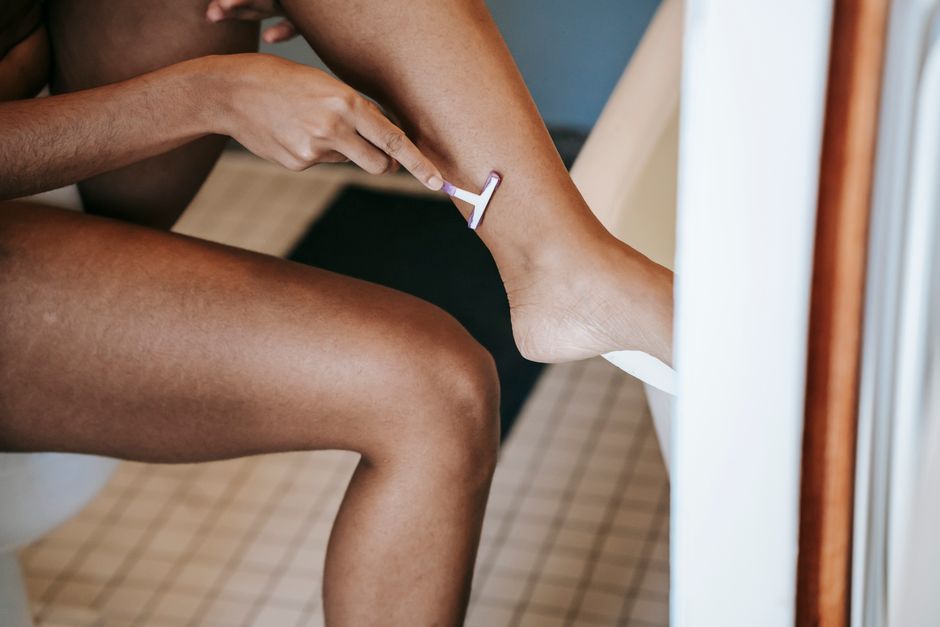
Most shaving cuts look worse than they are. A small nick on the face or leg can bleed steadily for a few minutes, which feels like a long time when you are staring in the mirror. The fastest way to stop the bleeding is to apply firm, direct pressure with a clean cloth or tissue for two to three minutes without lifting it to check. Lifting the cloth too early pulls away the clot that is forming and restarts the bleeding. After the bleeding stops, a cold compress can help shrink the blood vessels and reduce swelling around the cut.
Why Do Shaving Cuts Bleed So Much?
Shaving cuts bleed more than you might expect because the face and scalp have a dense network of blood vessels close to the skin surface. A razor blade creates a clean, sharp cut rather than a jagged tear. Clean cuts bleed freely because the blood vessels are sliced open cleanly and there is little tissue damage to trigger rapid clotting.
Another factor is the shaving process itself. Warm water and shaving cream soften the hair and skin, which also increases blood flow to the area. This is why a tiny nick can produce a surprising amount of blood even though the wound is shallow. The bleeding looks dramatic, but the actual wound is usually very small and heals quickly.
How To Stop A Shaving Cut From Bleeding Fast
The most reliable method is direct pressure. Take a clean tissue, cotton pad, or washcloth and press it firmly against the cut. Hold it there for at least two to three minutes without peeking. This gives your blood platelets time to form a stable clot. If you lift the cloth to check after ten seconds, you disrupt the clot and the bleeding restarts.
After the bleeding stops, you can switch to a cold compress. Wrap an ice cube or a few ice chips in a clean cloth and hold it against the cut for a few minutes. Cold causes the blood vessels to constrict, which reduces blood flow to the area and helps prevent the cut from reopening. Do not press ice directly onto the skin because that can damage the tissue.
For stubborn cuts that keep bleeding, a styptic pencil can help. Styptic pencils contain aluminum salts that work by contracting the blood vessels and helping the blood clot faster. Wet the tip of the pencil and press it directly onto the cut for about ten seconds. It will sting briefly, but it is one of the fastest ways to stop persistent bleeding.
Does Petroleum Jelly Stop Shaving Cuts From Bleeding?
Petroleum jelly does not actively stop bleeding, but it can help in a different way. Once the bleeding has slowed or stopped, applying a thin layer of petroleum jelly over the cut seals it from air and keeps the clot moist. A moist environment helps the wound heal faster and prevents the clot from cracking and reopening.
Some people apply petroleum jelly immediately after shaving to protect the skin and reduce irritation. It is not a substitute for direct pressure, but it is a useful second step. If you apply petroleum jelly while the cut is still actively bleeding, it may just slide off and not do much to help.



What Not To Do When You Have A Shaving Cut
Do not use rubbing alcohol or hydrogen peroxide on a shaving cut. Both of these can damage the healthy tissue around the wound and actually slow down the healing process. They also sting significantly. Plain water and mild soap are enough to clean the area if needed.
Do not keep wiping the cut with a tissue or cloth. Each time you wipe, you remove the new clot that is forming. Instead, press and hold. If the tissue becomes soaked with blood, replace it with a fresh one and continue pressing. Do not lift the old tissue to check the wound before replacing it.
Do not apply a bandage too tightly. A loose bandage protects the cut from dirt and friction, but a tight one can cut off circulation and delay healing. If the cut is on your face, you may not need a bandage at all once the bleeding stops. On the legs or body, a loose adhesive bandage can protect the area for the first day.
When Should You Worry About A Shaving Cut?
Most shaving cuts are minor and stop bleeding within a few minutes. You should seek medical attention if the bleeding does not stop after ten to fifteen minutes of continuous firm pressure. This is unusual for a shaving cut and may indicate a deeper wound or a bleeding disorder.
Signs of infection are another reason to see a doctor. Redness spreading beyond the cut, warmth, increasing pain, or pus can develop a day or two after the injury. These signs are rare with small cuts, but they can happen, especially if you shave with a dirty razor or have a weakened immune system.
If you cut yourself with a rusty razor or one that was used by someone else, talk to a healthcare provider. You may need a tetanus shot if your last one was more than ten years ago. This is a precaution, not a reason to panic, but it is worth checking.
How To Prevent Shaving Cuts In The First Place
Prevention is better than treatment. Use a sharp razor blade. A dull blade drags across the skin instead of cutting cleanly, which increases the chance of nicks and irritation. Replace your blade regularly, typically every five to seven shaves, depending on how often you shave and how thick your hair is.
Shave after a warm shower or hold a warm, wet towel on your face for a few minutes first. Heat and moisture soften the hair and open the pores, making the blade glide more smoothly. Shaving dry or with cold water makes the hair stiff and increases the risk of cuts.
Use shaving cream or gel, not just soap and water. Shaving cream provides a protective layer between the blade and your skin. It also helps the blade glide without catching on the hair. Go with the direction of hair growth for a less close shave with fewer cuts. If you want a closer shave, go against the grain only after you have already shaved with the grain once.
Does Your Blood Type Affect How Fast You Bleed?
Blood type does not affect how quickly you stop bleeding from a small cut. The clotting process depends on platelets, clotting factors, and blood vessel health, not on whether you are type A, B, AB, or O. Everyone forms clots at roughly the same speed for minor wounds.
What can affect bleeding time is medication. Blood thinners like aspirin, warfarin, and some newer anticoagulants can make bleeding last longer. If you take any of these medications, a shaving cut may bleed for longer than normal. This is not dangerous for a small cut, but you should apply pressure for longer and check the wound more carefully.
When To See A Doctor For A Shaving Cut
See a doctor if the cut is deep, gaping, or on a sensitive area like the eyelid. Cuts on the eyelid or near the eye need professional evaluation even if they look small. A doctor can clean the wound properly and decide if stitches are needed.
If you have a bleeding disorder like hemophilia or von Willebrand disease, even a small shaving cut can bleed longer than normal. Follow your healthcare provider’s advice for managing minor cuts. Some people with bleeding disorders use special clotting powders or dressings that their doctor has recommended.
Frequently Asked Questions
How long should I apply pressure to a shaving cut?
Apply firm, continuous pressure for at least two to three minutes without lifting the cloth. If it is still bleeding after that, hold for another three minutes.
Does a styptic pencil hurt?
Yes, a styptic pencil stings for a few seconds when applied to an open cut. The sting fades quickly, and the bleeding usually stops almost immediately.
Can I shave again over a cut the next day?
It is best to shave around the cut for a day or two until it has closed. Shaving over a fresh scab can reopen the wound and cause more bleeding.
Is it safe to use a bandage on a face shaving cut?
Yes, but keep it loose and remove it within a few hours. A tight bandage on the face can trap moisture and increase the risk of irritation.
