
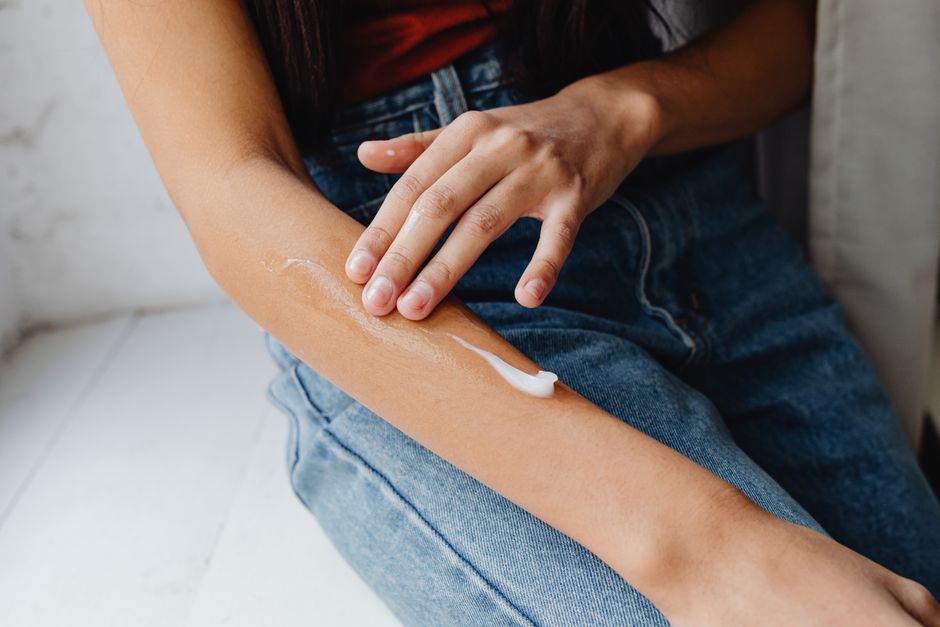
An itchy rash gets worse when you scratch it, so the first goal is to break that cycle fast. The most reliable ways to stop a rash from itching are cool compresses, short lukewarm baths, plain fragrance-free moisturizer, an over-the-counter hydrocortisone cream for mild eczema or contact dermatitis, and an oral antihistamine—especially at night. Calamine lotion and colloidal oatmeal baths can soothe irritated skin. For severe itching, a doctor may prescribe stronger steroids or other treatments. None of these cure the rash. They reduce the itch while the skin heals and the cause is addressed.
Itching is not just a nuisance. Scratching damages the skin barrier, lets in irritants and bacteria, and triggers more inflammation. That is why the itch-scratch cycle can turn a small rash into a bigger, sorer one.
Why Does A Rash Itch So Much?
Itch is a real signal carried by dedicated nerve fibers in the skin. When skin cells are irritated or inflamed, they release chemicals—histamine is the best known—that activate these fibers. The brain reads that signal as itch.
Different rashes use different pathways. Allergic reactions and hives release histamine, which is why antihistamines help them. Eczema and psoriasis involve inflammation driven largely by other immune signals, so antihistamines often do less for those. This is a useful distinction: it explains why the same remedy works well for one rash and barely helps another.
Scratching gives brief relief by overriding the itch signal with a pain signal. Then the skin releases more inflammatory chemicals, the itch returns stronger, and the cycle tightens. Understanding that loop is the basis for every remedy below.
What Are The Fastest Ways To Stop A Rash From Itching?
Cooling the skin is the quickest reliable relief. Cold reduces blood flow to the area and slows the nerve signals that carry itch.
- Cool compress: A clean cloth wrung out in cool water, applied for 10 to 15 minutes, can calm itching within minutes. Repeat as needed. Never put ice directly on the skin.
- Cool or lukewarm shower: Hot water feels good briefly but strips oils and worsens itching afterward. Keep water lukewarm and showers short.
- Moisturize while skin is damp: Applying a plain, fragrance-free moisturizer within a few minutes of bathing traps water in the skin. Dry skin itches more.
- Loose cotton clothing: Rough fabrics and heat aggravate most rashes. Smooth, breathable fabric reduces friction and sweating.
These steps will not treat the underlying cause. They buy comfort and reduce the damage scratching does while you work out what is driving the rash.
Which Over-The-Counter Treatments Actually Work?
Some over-the-counter products have solid evidence behind them. Others are popular but weakly supported. Knowing the difference saves money and avoids disappointment.
Hydrocortisone cream is a mild topical steroid available without a prescription at 1% strength. It reduces inflammation and is reasonable for mild eczema, insect bites, and contact dermatitis on small areas. It is not meant for the face for long periods, for broken skin, or for suspected infections. It should not be used on diaper rash without medical advice.
Oral antihistamines work best for histamine-driven itching such as hives and allergic reactions. Older antihistamines like diphenhydramine cause drowsiness, which some people find helpful at night but is a real risk during the day and in older adults. Newer non-drowsy antihistamines are often preferred for daytime use. Follow label directions.
Calamine lotion has a cooling, drying effect and is a traditional choice for poison ivy and insect bites. It can be drying on already dry skin, so it suits weepy rashes better than flaky ones.
Colloidal oatmeal added to a lukewarm bath has some evidence for soothing itch in eczema and other dry, irritated skin. It is gentle and low-risk.
What about products marketed as “anti-itch” without a clear active ingredient? Many rely on menthol or camphor for a cooling sensation. These can distract from itch but do not treat inflammation, and strong menthol can sting broken skin.
Does Scratching Make A Rash Worse?
Yes, and the damage goes beyond the surface. Scratching tears the skin barrier, which lets in bacteria and irritants and raises the risk of infection. It also deepens inflammation and can thicken the skin over time, a change called lichenification that makes eczema harder to treat.
Stopping the scratch is easier said than done, especially at night. Practical steps help:
- Keep fingernails short and filed smooth.
- Wear cotton gloves or keep socks on your hands at night.
- Keep the bedroom cool.
- Use a cool compress instead of scratching when the urge hits.
A non-obvious point: the urge to scratch often peaks when you are distracted or lying in bed, not when you are busy. That is when a barrier like gloves or a cool cloth earns its keep.
When Should You See A Doctor For An Itchy Rash?
Most rashes are not emergencies, but some need medical care quickly. Seek prompt attention if a rash comes with trouble breathing, swelling of the face or throat, or widespread hives after a new medication or food—these can signal a serious allergic reaction.
See a doctor if you notice signs of infection: increasing pain, warmth, spreading redness, pus, or fever. Also get checked if the rash is severe, covers a large area, blisters, or does not improve after a week or two of home care.
Persistent itching without a visible rash deserves a medical look too. It can have causes beyond the skin, and a clinician can sort out whether further testing is needed.
What About Prescription Treatments?
When over-the-counter options are not enough, doctors have stronger tools. Medium- and high-potency topical steroids are prescribed for moderate to severe eczema and some other inflammatory rashes. These are more effective than 1% hydrocortisone but need supervision, especially for strength, duration, and body area.
For severe eczema, clinicians sometimes prescribe non-steroid topical medicines or, in selected cases, systemic treatments. Oral steroids are generally reserved for short courses in specific situations because of side effects. For intense itching, some clinicians recommend other prescription options depending on the cause.
The right choice depends heavily on what is causing the rash. A treatment that works well for eczema may do little for a fungal infection, and steroids can worsen some infections. Getting the diagnosis right matters more than the strength of the cream.
How Do You Prevent Rashes From Coming Back?
Prevention depends on the cause, but a few principles apply broadly. Keep skin moisturized daily—this is the backbone of eczema care and helps most dry, itchy skin. Use fragrance-free cleansers and detergents, since fragrance is a common trigger for contact dermatitis.
Avoid known triggers once you identify them. That might mean a specific soap, a metal in jewelry, a plant, or a fabric. Patch testing by a dermatologist can help pinpoint contact allergies when the cause is unclear.
Do not ignore a rash that keeps returning in the same spot. Recurring rashes often have a specific trigger, and finding it is more effective than treating the itch again and again.
Frequently Asked Questions
What is the fastest way to stop a rash from itching?
A cool compress applied for 10 to 15 minutes is the quickest reliable relief for most rashes. It calms the nerve signals that carry itch and reduces inflammation.
Does hydrocortisone cream stop itching?
Yes, 1% hydrocortisone can reduce itching and inflammation in mild eczema, insect bites, and contact dermatitis. It is not appropriate for suspected infections or long-term use on the face without medical advice.
Why does scratching make a rash worse?
Scratching damages the skin barrier and triggers more inflammation, so the itch returns stronger. It also raises the risk of infection and can thicken the skin over time.
When should I worry about an itchy rash?
Get medical help if a rash comes with trouble breathing, facial swelling, fever, spreading redness, or pus. A rash that lasts more than a week or two despite home care should also be checked.
