
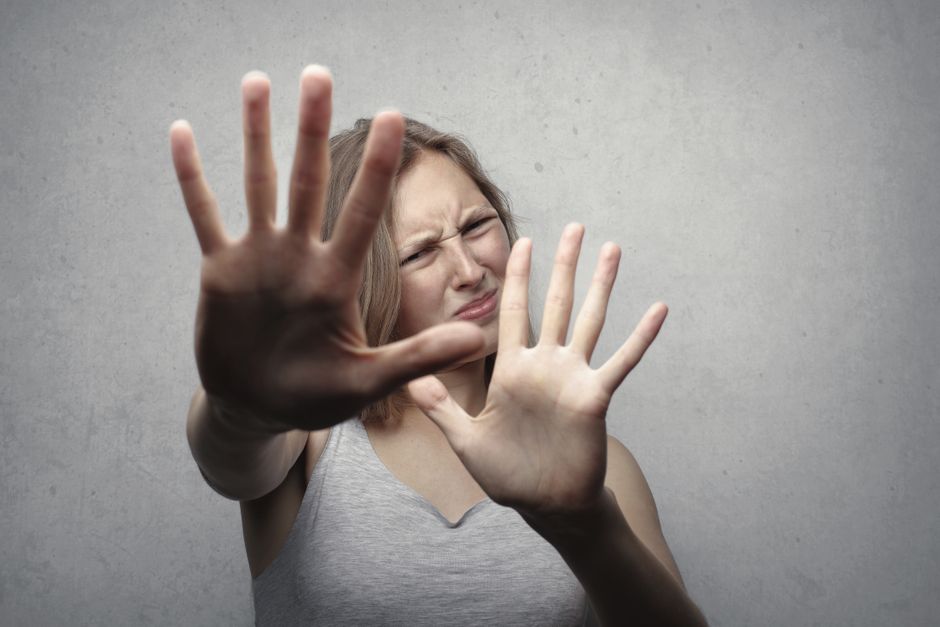
A nervous breakdown is not a formal medical diagnosis, but the experience is real. It usually means a person feels unable to function under intense stress or emotion. You cannot stop it in an instant, but you can calm your body’s alarm response quickly. Slow breathing, grounding, and reducing stimulation are the fastest first steps.
The most reliable way to calm down fast is to work directly on your body’s stress response. Slow your breathing, orient yourself to your surroundings, and lower the amount of input your senses are taking in. These steps do not fix the underlying cause, but they can bring you back to a place where you can think and decide what to do next.
What Is A Nervous Breakdown, Really?
“Nervous breakdown” is a lay term, not a clinical one. No diagnostic manual lists it as a condition. When people use it, they usually mean a period when stress, anxiety, grief, or another mental health problem becomes so intense that normal daily functioning breaks down.
The experience often includes feeling overwhelmed, unable to cope, and physically unwell. Some people cannot get out of bed. Others feel panicked, numb, or detached. What is happening underneath varies widely. It might be an anxiety disorder, major depression, severe acute stress, a panic attack, or an accumulation of life pressures with no single diagnosis.
That distinction matters. Because the term covers so many different situations, there is no single treatment. What helps in the moment is fairly consistent, but what helps over the following weeks depends on what is actually driving the crisis.
One clarification worth knowing: a nervous breakdown is not the same as a panic attack. A panic attack is a distinct, time-limited surge of fear that peaks and passes. A breakdown describes a broader collapse in functioning that can last days or longer. They can overlap, but they are not interchangeable.
How To Stop A Nervous Breakdown Calm Down Fast
The fastest way to reduce acute distress is to change your breathing and your focus. These are not psychological tricks. They act on the nervous system directly.
When you are highly stressed, your breathing tends to become shallow and fast. This can lower carbon dioxide in your blood, which produces dizziness, tingling, and a sense of unreality. Those sensations then feed the fear. Slowing your breath helps interrupt that loop.
Try this sequence:
- Slow your exhale. Breathe in gently through your nose, then breathe out longer than you breathed in. Making the exhale longer than the inhale is the part that tends to calm the body. Repeat for a minute or two.
- Name what you can see. Look around and quietly identify objects in the room. This pulls attention out of the spiral and back to your immediate environment.
- Feel something physical. Press your feet into the floor. Hold something cold. Notice the texture of what you are touching. Physical sensation is a strong anchor when thoughts are racing.
- Reduce input. Lower the lights, turn off the TV, step away from your phone, or move to a quieter space. Overload makes it harder to settle.
- Move, but gently. A slow walk or stretching can help discharge some of the physical tension. Intense exercise during acute panic is not always helpful.
These steps are widely used in clinical practice for acute anxiety and panic. They are not a cure, and they will not resolve the underlying problem. What they do is lower the intensity enough that you can function and make decisions.
If you are having chest pain, severe shortness of breath, fainting, or symptoms that feel physically dangerous, seek emergency medical care. Anxiety can cause real physical symptoms, but it is not safe to assume that is always the cause.
Why Does Breathing Slowly Actually Work?
Breathing is one of the few body functions that is both automatic and under voluntary control. That makes it a direct entry point into the stress response.
The body has a built-in calming system called the parasympathetic nervous system. One of its main pathways is the vagus nerve, which connects the brain to the heart, lungs, and gut. Slow, steady breathing with a longer exhale tends to increase vagal activity. This generally slows heart rate and reduces the physical signs of stress.
Research on slow breathing and heart rate variability supports this general direction. The evidence is strongest for the physiological effect on heart rate and arousal. The evidence for how well these techniques treat an anxiety disorder over time is more mixed. They are best understood as a tool for managing moments, not as a standalone treatment.
This is where a lot of online advice overreaches. Breathing exercises are genuinely useful in the moment. They are not a substitute for treating an anxiety disorder, depression, or a stress problem that needs real changes.
What Should You Do In The Hours After?
The acute moment passes. What you do next affects whether things settle or spiral again.
First, lower demands for the rest of the day where you can. Cancel what is not essential. Tell someone you trust what is happening. Isolation tends to make things worse.
Second, avoid alcohol as a way to calm down. It may feel soothing briefly, but it disrupts sleep and can worsen anxiety in the hours afterward. Caffeine is worth limiting too, since it can amplify the physical symptoms of anxiety.
Third, protect sleep. Sleep and mental health are tightly linked, and a run of poor sleep tends to make stress harder to manage. Keep your wake time consistent even if the night was rough.
Fourth, write down what happened. Not to analyze it deeply, but to note what was building up before the crisis. Patterns often become clearer on paper, and that can guide what to address.
When Should You Get Professional Help?
You should reach out to a doctor or mental health professional if the episode does not settle, if it is interfering with work or daily care, or if it keeps happening. Those are signs that something needs more than in-the-moment calming.
Get help urgently if you have thoughts of harming yourself or others. In the US, you can call or text 988 to reach the Suicide and Crisis Lifeline. If you are in immediate danger, call 911 or go to an emergency room.
Professional support can take several forms. A primary care doctor can check for physical causes that mimic anxiety, such as thyroid problems or heart issues. A therapist can help with coping skills and address underlying patterns. Medication is an option for some conditions, and whether it is appropriate is a decision to make with a clinician who knows your situation.
The evidence for therapy and medication in treating anxiety and depression is substantial. What works best varies by person and condition, so this is a conversation rather than a fixed formula.
What Helps Prevent The Next Crisis?
Prevention is less dramatic than crisis management and more effective over time. The goal is to reduce the load before it becomes unmanageable.
Regular sleep, some physical activity, and steady social contact are consistently linked with better mental health, though the strength of the evidence varies by factor. These are foundations, not guarantees.
It also helps to notice early warning signs. For many people, these include irritability, sleep changes, withdrawing from others, or a sense of dread that builds over days. Catching those early gives you more room to act.
Building a small set of coping tools before you need them matters too. If slow breathing and grounding are familiar when you are calm, they are easier to use when you are not. Practicing them when you are relaxed makes them more available in a crisis.
One honest point: if stress keeps building despite your efforts, that is information. It may mean the demands are genuinely too high, or that an underlying condition needs attention. Neither is a personal failure.
Frequently Asked Questions
What is the fastest way to calm down during a nervous breakdown?
Slow your breathing with a longer exhale than inhale, and ground yourself by naming what you can see and feel. Reducing sensory input and stepping into a quieter space helps too.
Is a nervous breakdown a real medical diagnosis?
No, it is not an official diagnosis in clinical manuals. It is a common term for a period when stress or a mental health condition makes normal functioning feel impossible.
Does breathing slowly actually stop anxiety?
It can lower the physical signs of acute stress by activating the body’s calming response. It is a useful tool for moments of distress, not a standalone treatment for an anxiety disorder.
When should I see a doctor about a nervous breakdown?
See a professional if the episode does not settle, interferes with daily life, or keeps recurring. Seek urgent help if you have thoughts of harming yourself or others.
