
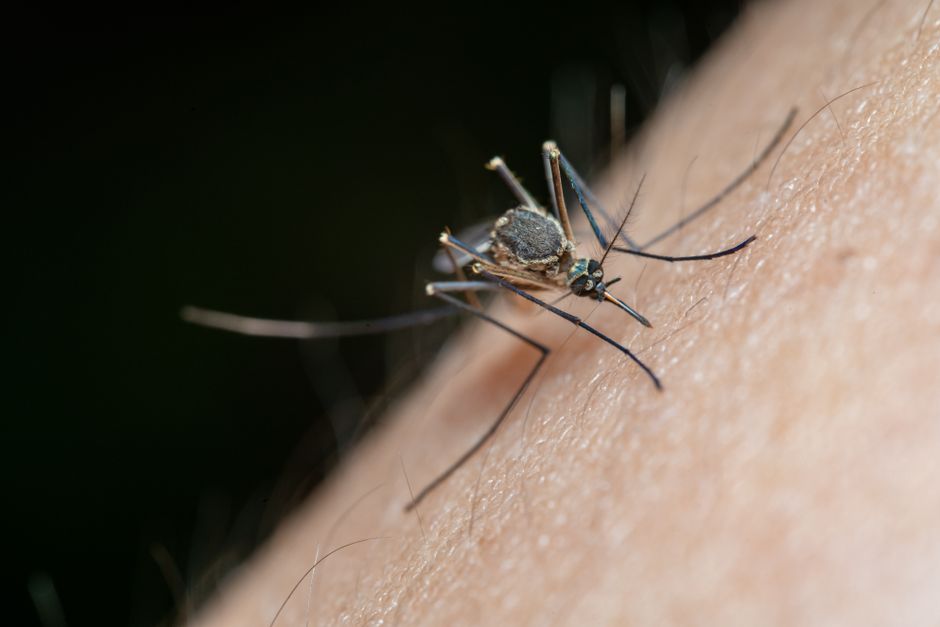
You feel the pinch, swat too late, and within minutes the spot is burning and begging to be scratched. The fastest way to stop a bug bite from itching is to wash the area with soap and water, apply something cold like an ice pack wrapped in cloth for about 10 to 15 minutes, and take an over-the-counter antihistamine if the itch is intense. Then keep your hands off it. Scratching is what turns a minor annoyance into a swollen, infected mess.
The itch itself is not the bug’s venom doing damage. It is your own immune system reacting to proteins in the saliva or venom the insect left behind. Understanding that reaction explains why some remedies work and others are pure folklore.
Why Does A Bug Bite Itch So Much?
When a mosquito, flea, or bedbug bites, it injects saliva containing proteins that stop your blood from clotting. Your immune system recognizes these proteins as foreign and releases histamine, a chemical that widens blood vessels and sends itch signals along nerves to your brain. That is why a bite often swells and reddens before it itches.
The response is a genuine allergic reaction, just a mild and localized one. People vary widely in how strongly they react. Some produce almost no reaction to mosquito bites, while others get large welts from the same bite. This difference is immune sensitivity, not toughness or weakness.
Here is a detail many people miss. The itch usually peaks within a day or two and then fades as your immune system stands down. If a bite is still intensely itchy after several days, or the itching is getting worse rather than better, that is a signal to look closer rather than assume it is a normal bite.
What Is The Fastest Way To Stop A Bug Bite From Itching?
Cold and antihistamines are the two interventions with the clearest rationale and the most consistent real-world results. Cold slows nerve conduction and reduces blood flow to the area, which calms both the itch and the swelling. Antihistamines block the histamine driving the reaction.
Here is a practical sequence that works for most people:
- Wash the area with soap and water to remove any remaining saliva or venom and reduce infection risk.
- Apply cold for roughly 10 to 15 minutes. Use a cloth-wrapped ice pack or a cold, damp cloth. Never press ice directly on skin.
- Take an oral antihistamine if the itch is widespread or intense. Older antihistamines like diphenhydramine can cause drowsiness, so read the label. Newer ones like loratadine or cetirizine are less sedating for most people.
- Apply a topical anti-itch cream containing hydrocortisone or calamine if the itch is localized and mild.
- Cover the bite with a bandage if you cannot trust yourself not to scratch, especially at night or on children.
One clarification worth knowing. Oral antihistamines work best when taken early, before the histamine response fully ramps up. Once a bite has been itching for hours, they still help but the relief is slower. Topical antihistamine creams are less reliable than oral ones for significant itch, and some people develop a sensitivity to them with repeated use.
Does Scratching A Bug Bite Make It Worse?
Yes, and the mechanism is more interesting than most people realize. Scratching temporarily relieves itch by overriding the sensation with pain signals, but it also damages the skin and triggers more histamine release. That sets up a cycle where scratching begets more itching.
There is a second, more serious problem. Fingernails carry bacteria. Scratching breaks the skin barrier and can push those bacteria into the bite, turning a harmless reaction into a skin infection. This is the single most common way a simple bite becomes a medical problem.
If you genuinely cannot stop scratching, keep your nails short and clean, and cover the bite. A bandage is not a sign of weakness. It is a physical barrier between your itch and your skin.
What Home Remedies Actually Work For Bug Bites?
Some folk remedies have a reasonable basis and others do not. It helps to separate them honestly.
Cold compresses have a clear physiological basis and reliably reduce itch and swelling. Oatmeal baths and calamine lotion can soothe irritated skin, though their effect is modest and largely about comfort rather than stopping the reaction. Aloe vera gel may provide mild cooling relief; the evidence for it stopping itch specifically is limited.
Some popular remedies have little support. Rubbing a bite with a copper penny, applying toothpaste, or pressing a hot spoon against the skin are widely shared online. None of these has solid clinical evidence behind it. The hot-water trick in particular can burn skin and should be avoided, especially on children.
Baking soda paste and apple cider vinegar are commonly recommended. There is no strong evidence they stop the histamine reaction. They may feel soothing, but do not expect them to resolve a stubborn itch.
When Should You See A Doctor About A Bug Bite?
Most bites resolve on their own within a few days to a week. A small number need medical attention, and knowing the signs matters.
Seek medical care if you notice:
- Spreading redness, warmth, or tenderness around the bite
- Pus or a foul smell coming from the bite
- Fever or chills
- A bite that keeps getting larger or more painful after several days
- Red streaks spreading from the bite toward the body
- Facial swelling, difficulty breathing, or dizziness, which can signal a severe allergic reaction and require emergency care
These signs can indicate a skin infection such as cellulitis, which needs antibiotics. They can also, in some regions, point to a tick-borne illness, so tell your doctor where you were and whether you found a tick attached. Do not wait to see if these symptoms pass on their own.
How Do You Prevent Bug Bites In The First Place?
Prevention is more reliable than treatment. The most effective step is an EPA-registered insect repellent. Products containing DEET or picaridin are well studied and effective when used as directed. The CDC publishes guidance on which repellents are registered and how to apply them safely, including for children and pregnant women.
Beyond repellent:
- Wear long sleeves and pants in areas with heavy insects, especially at dawn and dusk when mosquitoes are most active.
- Use screens on windows and doors, and sleep under a mosquito net in areas where insect-borne disease is a concern.
- Remove standing water around your home, since mosquitoes breed in even small amounts.
- Check yourself and children for ticks after time in wooded or grassy areas.
For children, the safety guidance for repellents differs by age and product. Follow the product label and the CDC’s age-specific recommendations rather than applying adult-strength products to young children. When in doubt, ask a pharmacist or pediatrician.
Frequently Asked Questions
How long does a bug bite itch last?
Most mosquito and flea bites itch intensely for a day or two and fade within about a week. If a bite is still intensely itchy or getting worse after several days, have it checked.
What stops a bug bite from itching fast?
Washing the area, applying a cloth-wrapped cold pack for 10 to 15 minutes, and taking an oral antihistamine are the fastest reliable steps. Cold calms the nerve signals and antihistamines block the histamine driving the itch.
Can I put ice directly on a bug bite?
No, wrap ice in a cloth first. Direct ice on skin can cause cold injury, especially with prolonged contact.
Is it bad to scratch a bug bite?
Yes, scratching can break the skin and let bacteria in, which is how many bites become infected. Keep nails short and cover the bite if you cannot stop yourself.
