
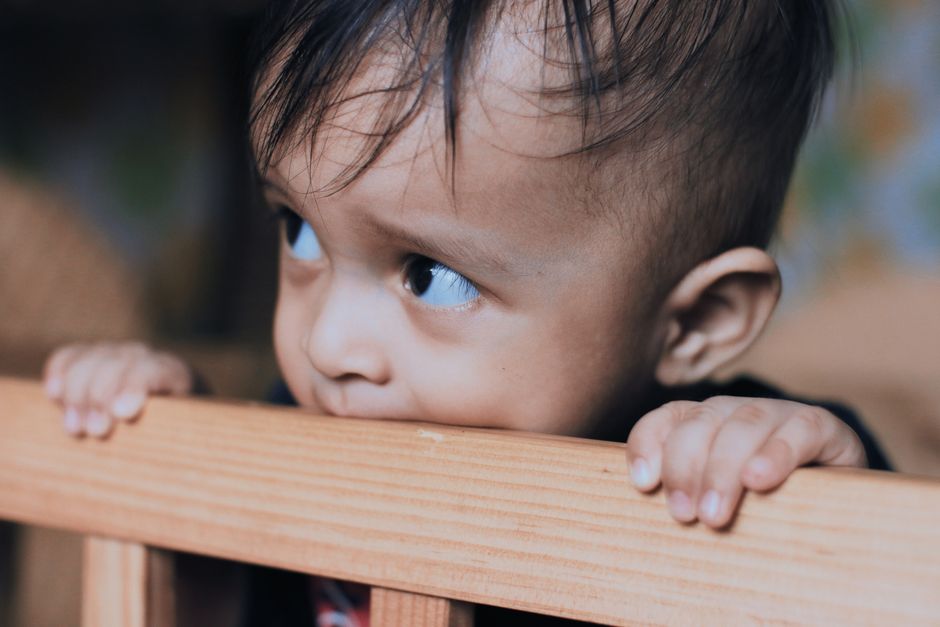
If your baby is biting their lower lip, you are not alone. This is a common habit among infants and toddlers. In most cases, it is not harmful and will stop on its own. But if you want to help your baby stop, the most effective approach is to address the underlying cause, such as teething discomfort or self-soothing needs, and redirect the behavior gently.
Why Do Babies Bite Their Lower Lip?
Biting the lower lip is a natural behavior for many babies. It often starts around 4 to 7 months when teething begins. The pressure on the gums feels good to them, and the lip is right there. Some babies discover it by accident and then repeat it because it is comforting.
Other reasons include self-soothing. Babies use sucking, chewing, and biting to calm themselves. The lower lip is easy to reach. They may also do it when they are tired, bored, or hungry. Exploration is another factor. Babies put everything in their mouths, including their own lips.
This habit is rarely a sign of a serious problem. But understanding why your baby does it helps you choose the right response.
When Does Lower Lip Biting Become a Problem?
Most of the time it is harmless. But there are situations where you should pay closer attention. If the biting causes injury, you may notice redness, swelling, a sore, or even a small cut. Repeated biting in the same spot can lead to a callus or a blister on the lip.
Another concern is if it interferes with feeding. If your baby bites their lip while breastfeeding or bottle-feeding, it can make feeding difficult or painful for your baby. Some babies bite so hard they break the skin, which increases the risk of infection.
Check the lip regularly. If you see signs of infection — pus, warmth, fever, or your baby seems unusually fussy — contact your pediatrician. Also talk to your doctor if the biting does not improve over several months or if it seems to be getting worse.
How To Stop a Baby From Biting Their Lower Lip
The goal is not to punish or scold. Babies do not understand that. Instead, you want to remove the reason they bite and offer a better option. Here are strategies that work for most babies:
- Offer teething toys. If your baby is teething, a cold (not frozen) teething ring or a chilled washcloth can relieve gum pain. Babies often switch from lip biting to chewing the toy.
- Provide a pacifier. Sucking is a strong reflex. A pacifier can satisfy the urge to chew or suck without hurting the lip. Some babies prefer a pacifier to their own lip. Not all babies accept one, and that is fine.
- Distract your baby. When you see your baby starting to bite their lip, gently redirect them. Hand them a toy, sing a song, or change their position. Distraction works best when you catch the behavior early.
- Check for discomfort. Make sure your baby is not hungry, tired, or wet. Sometimes lip biting is a signal that something else is wrong. Address the need first.
- Use gentle verbal cues. Even before your baby understands words, your tone matters. A soft “no” or “let’s not bite” while moving their lip away can teach them over time. Be consistent and calm.
- Keep the lip dry. Saliva from frequent biting can cause a rash or chapped lips. Gently pat the lip dry with a soft cloth. A thin layer of unscented petroleum jelly (approved by your pediatrician) can protect the skin.
Remember, most babies stop this habit on their own as they grow. Your job is to make it easier for them to choose something else. Patience matters more than any single technique.





What Not To Do
Some common reactions can make the problem worse. Avoid pulling your baby’s lip out of their mouth sharply. That can startle them or cause discomfort. Do not scold or punish. Babies this age do not connect punishment with the behavior. Yelling or slapping their hand can increase stress, which may lead to more self-soothing biting.
Do not use bitter-tasting products made to stop nail biting. These are not tested for infants and may be unsafe if swallowed. Never apply anything to your baby’s lip without asking your pediatrician first. Avoid using teething gels that contain benzocaine. The FDA warns against benzocaine products for children under 2 years because of a rare but serious side effect called methemoglobinemia.
Do not try to physically hold your baby’s hand or mouth every time. That does not teach them a better behavior and can lead to a power struggle. Stay calm and consistent.
When To See a Pediatrician
Most cases of lip biting do not need a doctor. But you should schedule a visit if you notice any of the following:
- The biting causes an open sore or wound that does not heal within a few days.
- Your baby develops a fever, redness spreading on the face, or pus — signs of infection.
- The habit interferes with eating or drinking. If your baby refuses the breast or bottle because of lip pain, that is a concern.
- The biting is very frequent and seems compulsive, especially if it continues past 18 months without improvement.
- You are unsure whether your baby’s lip biting is normal or something else.
Your pediatrician can examine the lip and check for related issues like reflux, sensory differences, or dental problems. They can also offer personalized advice for your baby’s age and development.
Other Possible Causes To Consider
Sometimes lip biting is a symptom of something beyond teething or habit. For a small number of babies, it may be linked to sensory processing issues. Babies who need extra oral stimulation may bite their lips, hands, or clothing. This is more common in children with developmental differences, but it is not a diagnosis on its own.
If your baby also grinds their teeth, drools excessively, or seems unusually irritable, mention it to your doctor. Mouth ulcers or thrush (a yeast infection in the mouth) can also cause a baby to chew or bite their lip for relief. These conditions require treatment, so a checkup is wise if you suspect something else is going on.
Some parents worry that lip biting is a sign of autism. While repetitive mouthing behaviors can occur in children with autism, lip biting alone is not a reliable indicator. Most babies who bite their lips are developing normally. Watch for other milestones like eye contact, social smiling, and babbling. If you have concerns about your baby’s development overall, talk to your pediatrician rather than focusing only on the lip biting.
Frequently Asked Questions
How long does lower lip biting last in babies?
Most babies stop biting their lower lip by 12 to 18 months. The habit often fades as teething ends and new skills like crawling and talking take their attention.
Can lower lip biting cause permanent damage?
No. The lip heals quickly, and permanent damage is extremely rare. However, repeated biting in the same spot can lead to a small scar or a thickened patch of skin that usually goes away once the habit stops.
Is lower lip biting a sign of autism?
Not by itself. Many typically developing babies bite their lips. If your baby also shows delays in social interaction, communication, or repetitive actions beyond mouthing, discuss your concerns with a pediatrician. Lip biting alone is not a diagnostic sign.
Should I use a pacifier to stop lip biting?
A pacifier can help if your baby will take one. It satisfies the need to suck or chew without harming the lip. If your baby refuses a pacifier, do not force it. Other redirection methods work just as well.
