
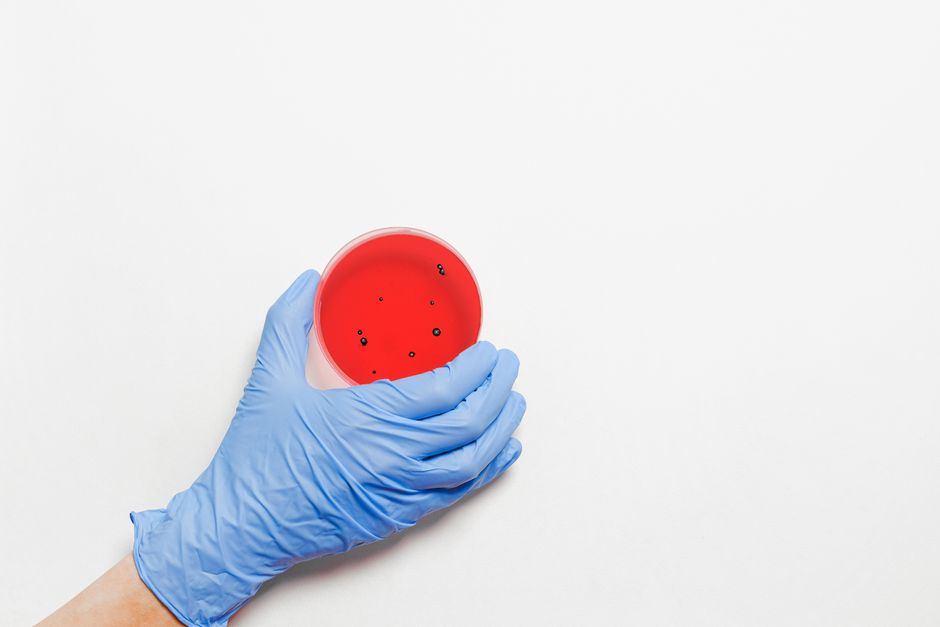
Sterilizing petri dishes correctly is the difference between a clean experiment and one ruined by mystery growth. Whether you are working in a lab or at a kitchen table, the goal is the same: kill every living microorganism on the dish before you add your sample. The standard methods are autoclaving, dry heat in an oven, or chemical sterilization with bleach or alcohol. For home use without an autoclave, a pressure cooker set to 15 PSI works just as well. The method you choose depends on what you have available and whether your dishes are glass or disposable plastic.
Why Sterilization Matters Before You Start
Petri dishes arrive from the manufacturer as clean but not sterile. That distinction matters. Clean means no visible dirt. Sterile means no living microbes at all. If you skip proper sterilization, you are not testing your sample. You are testing whatever bacteria were already sitting on the plastic or glass.
Mold spores and bacteria are everywhere. They float in the air, sit on countertops, and live on your hands. A single missed spore can colonize an entire plate within days. That growth will crowd out or mask whatever you intended to study. Sterilization removes this variable so the only organisms that grow are the ones you put there deliberately.
How To Sterilize Petri Dishes At Home Or In A Lab Using An Autoclave
The autoclave is the gold standard for sterilizing petri dishes. It uses pressurized steam at 121°C (250°F) for 15 to 20 minutes. The combination of heat, moisture, and pressure destroys bacterial spores, which are far harder to kill than active bacteria.
In a lab setting, place glass petri dishes in an autoclave-safe container. Wrap them in aluminum foil or use autoclave tape to keep them closed after sterilization. Run a standard gravity cycle. Let the chamber cool and the pressure release completely before opening. Dishes removed too early will be wet and can recontaminate quickly.
Most standard autoclaves reach the required temperature and pressure without issue. If you are using a benchtop model, check that it reaches at least 121°C. Some smaller units do not get hot enough. A unit that peaks at 110°C is not sterilizing — it is just washing with hot steam.
Using A Pressure Cooker As A Home Autoclave
A pressure cooker that reaches 15 PSI is functionally identical to an autoclave for sterilization purposes. Both use saturated steam under pressure to achieve temperatures above boiling. This is the most reliable home method for sterilizing glass petri dishes.
Place the dishes in the pressure cooker with about an inch of water in the bottom. Do not seal the dishes completely. Steam needs to reach every surface. If you wrap them in foil, leave the foil loose. Run the cooker at full pressure for 20 minutes. Let it cool naturally. Do not force the pressure release — rapid depressurization makes liquids boil over and can crack glass.
This method works because pressure cooking at 15 PSI reaches about 121°C. That is the same temperature as a lab autoclave. The process kills the same organisms including heat-resistant spores. After cooling, remove the dishes and use them immediately or store them in a clean, sealed container.




Dry Heat Sterilization With A Conventional Oven
If you do not have a pressure cooker, a standard kitchen oven can work. Dry heat requires higher temperatures and longer exposure than steam. Set the oven to 160°C (320°F) and hold it there for at least two hours. Some protocols recommend 170°C for one hour. The key point is that dry heat penetrates more slowly than steam.
Wrap glass dishes in aluminum foil before placing them in the oven. This keeps them sterile after the cycle ends. Let them cool inside the oven with the door closed. Opening the door early lets in room air, which is full of fungal spores and bacteria.
Do not use this method for plastic dishes. Standard polystyrene petri dishes melt at roughly 90°C. Only borosilicate glass or polypropylene plastics rated for high heat can survive an oven cycle. Check the manufacturer specifications before attempting this.
Chemical Sterilization With Bleach Or Alcohol
Chemical sterilization is a practical option when heat is not available. It is also the least reliable method. Bleach and alcohol kill active bacteria and many viruses, but they do not reliably destroy bacterial spores. For many home experiments, that is an acceptable trade-off. For clinical or research work, it is not.
For a 10% bleach solution, soak glass dishes for at least 30 minutes. Rinse thoroughly with sterile or boiled water afterward. Bleach residue can inhibit bacterial growth in your experiment. For 70% isopropyl alcohol, wipe the interior and exterior of the dish and let it air dry in a clean environment. The alcohol evaporates quickly and leaves no residue.
70% alcohol is more effective than 90% or 100%. The water content helps denature proteins more efficiently. This is a well-documented fact that surprises many people. Pure alcohol evaporates too quickly to penetrate bacterial cell walls.
UV Light Sterilization — What It Can And Cannot Do
UV light is popular in home mushroom growing and some hobbyist setups. It does kill microorganisms, but only on surfaces directly exposed to the light. UV does not penetrate. Shadows, stacked dishes, and the sides of a dish remain unsterilized.
UV sterilization requires direct exposure for 15 to 30 minutes depending on the intensity of the lamp. The lamp must be a germicidal UV-C type. Standard black lights emit UV-A and do nothing. Even with a proper lamp, this method is best used as a supplement to heat sterilization, not a replacement.
If you use UV, place dishes in a single layer with the lids off. Flip them halfway through to expose both surfaces. Never look directly at a UV-C lamp. It can damage your eyes and skin.
Glass Versus Plastic Dishes — Which Can You Sterilize?
Glass petri dishes are reusable and can withstand all sterilization methods including autoclaving, dry heat, and chemical soaking. Borosilicate glass is the standard choice because it resists thermal shock. Soda-lime glass can crack when heated rapidly.
Plastic dishes are designed for single use. Most are made of polystyrene, which melts at low temperatures. These cannot be autoclaved or oven-sterilized. They arrive pre-sterilized from the manufacturer in sealed sleeves. Once opened, they should be used promptly.
Some plastic dishes are made from polypropylene, which can withstand autoclaving. Check the packaging for an autoclave-safe symbol or rating. If the packaging does not specify, assume it is not heat-safe.
How To Store Sterilized Dishes Without Recontamination
Sterilization is only half the process. A sterile dish left open on a counter is no longer sterile. After any sterilization method, dishes must be stored in a way that prevents airborne contamination.
Keep dishes in a sealed container such as a clean plastic tub or a sealed bag. Store them in a dry, dark place. Humidity and light both promote mold growth. If you wrapped dishes in foil before sterilization, leave the foil in place until you are ready to use them.
Sterilized dishes have a limited shelf life. Even in ideal conditions, they can become contaminated over weeks or months. For best results, sterilize dishes the same day you plan to use them.
Frequently Asked Questions
Can I sterilize plastic petri dishes in an oven?
No. Standard plastic petri dishes melt at around 90°C, far below the temperature needed for dry heat sterilization. Only glass or polypropylene dishes rated for high heat can be oven-sterilized.
How long do sterilized petri dishes stay sterile?
Sterilized dishes remain sterile as long as they stay sealed and dry, typically for several weeks. Once the container is opened, use the dishes promptly because airborne spores can settle on them immediately.
Is 70% or 91% alcohol better for sterilizing petri dishes?
70% isopropyl alcohol is more effective than higher concentrations. The water content helps the alcohol penetrate bacterial cells and denature proteins, which is the actual killing mechanism.
Do I need to sterilize pre-sterilized plastic petri dishes?
No. Dishes labeled sterile from the manufacturer do not need additional sterilization. Simply open the sealed sleeve when you are ready to use them and handle the dishes by the edges to avoid contamination.
