
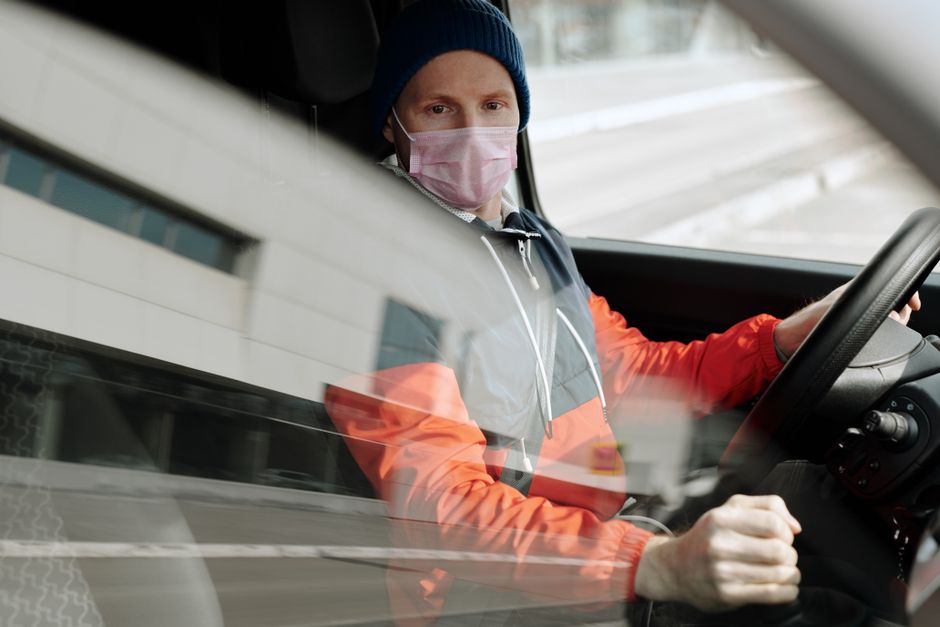
Drowsy driving kills. The National Highway Traffic Safety Administration estimates that drowsy driving was involved in hundreds of deaths in a recent year, and safety researchers believe the true number is higher because fatigue-related crashes are hard to identify after the fact. The strategies that actually work are unglamorous: get real sleep before you drive, take planned breaks, and stop driving the moment you notice warning signs. The strategies that don’t work — cold air, loud music, energy drinks — are the ones most people reach for first.
How To Stay Awake When Driving Tips That Actually Work?
The only reliable way to stay awake and alert behind the wheel is to be rested before you start. Everything else is a short-term patch at best.
That answer disappoints people. It shouldn’t. Drowsiness is not a mood you can outsmart with willpower. It is a physiological state driven by sleep pressure and your body’s internal clock, and no amount of window-rolling changes it. What you can do is manage it intelligently: plan around your sleep, recognize the moment driving becomes unsafe, and know which countermeasures have real evidence behind them versus which ones just feel like they’re doing something.
Below is what holds up and what doesn’t.
Why Do Cold Air and Loud Music Not Keep You Awake?
They create a brief jolt of alertness that fades within minutes, and the drowsiness underneath is untouched.
Cold air, an open window, or a loud song raises your arousal for a short window. That’s a real effect — it’s just tiny and temporary. The underlying problem is a buildup of sleep pressure in the brain, and a blast of cold air does nothing to reduce it. Studies that have looked at these tactics in driving simulators and on real roads generally find that the alertness boost is brief and that drivers slip back toward impairment quickly.
The danger is subtler than simple ineffectiveness. These tricks make you feel more awake while your actual driving performance — reaction time, lane-keeping, attention — stays degraded. That gap between how alert you feel and how alert you are is where crashes happen.
The same applies to chewing gum, slapping yourself, singing, and turning up the radio. None of them address the cause.
What Are the Real Warning Signs That You Need To Stop Driving?
If you notice any of these, you are already past the point where a countermeasure is safe. Pull over as soon as you can do so safely.
- Frequent yawning or heavy eyelids
- Blinking more often or struggling to keep your eyes open
- Drifting out of your lane or hitting the rumble strip
- Missing an exit or a sign you meant to read
- Not remembering the last few miles
- Following too closely without meaning to
- Restlessness, irritability, or difficulty focusing
Microsleeps are the most dangerous version of this. A microsleep is a brief, involuntary lapse in attention — typically lasting a few seconds — during which your eyes may close or your brain simply stops processing the road. At highway speed, a few seconds covers a long stretch of pavement. People who experience microsleeps often don’t realize it happened.
The honest rule: if you’re fighting to stay awake, the fight is already lost. The safe move is to stop, not to fight harder.





Does Caffeine Help, and How Should You Use It?
Caffeine genuinely improves alertness and reaction time in tired people. It is one of the few countermeasures with real evidence behind it.
Caffeine blocks adenosine, a molecule that builds up in the brain the longer you’re awake and contributes to the feeling of sleepiness. Blocking it reduces perceived drowsiness and improves performance on vigilance tasks. This is well established. What caffeine does not do is replace sleep. It masks the signal; it doesn’t clear the sleep debt.
A few practical points that are widely accepted:
- Caffeine takes roughly 15 to 30 minutes to start having a noticeable effect, so it works best taken before you’re desperate.
- Its effects fade over a few hours. It buys time, not a full reset.
- Too much causes jitteriness, a racing heart, and stomach upset — which can make driving worse, not better.
- People vary widely in how they respond and how quickly they clear caffeine, partly due to genetics and medications.
If you are pregnant, breastfeeding, or managing a heart condition, blood pressure problem, or anxiety disorder, talk to a clinician before using caffeine as a driving countermeasure. General guidance for caffeine intake exists for some of these groups, but individual circumstances vary.
Energy drinks deserve a specific caution. Many contain large doses of caffeine plus other stimulants, and the combination has been linked to cardiac events in otherwise healthy young people. Using them to push through a long drive is not a safe plan.
Does a Nap Really Help?
Yes. A short nap is the single most effective countermeasure available to a tired driver, and it’s the one most people skip.
Sleep is the only thing that actually reduces sleep pressure. A brief nap — commonly recommended in the range of about 15 to 20 minutes — can restore alertness for a meaningful stretch afterward. Napping longer than that risks sleep inertia: the groggy, disoriented feeling you get when you wake from deep sleep, which can leave you worse off for a while.
A well-known combination is a small dose of caffeine followed by a short nap, sometimes called a caffeine nap. The idea is that the caffeine kicks in as you wake. Some studies suggest this combination outperforms either alone, though the evidence is not overwhelming and results vary. If you try it, keep the nap short and give yourself a few minutes to fully wake before driving.
Pull into a safe, legal spot — a rest area, a truck stop, a parking lot. Not the shoulder of a highway.
How Do You Plan a Long Drive To Avoid Drowsiness?
You plan the drive around your sleep, not the other way around. That means treating fatigue as a scheduling problem before it becomes an emergency.
The most important factor is how much you slept in the 24 hours before you leave. Driving on less than about six hours of sleep substantially raises crash risk — this is one of the more consistent findings in the drowsy-driving literature. Driving after being awake for a very long stretch is even more dangerous and is often compared to driving impaired.
Other planning points:
- Avoid the early morning hours and the mid-afternoon dip, when the body’s circadian rhythm naturally promotes sleepiness.
- Take a break roughly every two hours, or sooner if you feel tired. Get out, walk, stretch.
- Share the driving if you can. A rested passenger who can take over is worth more than any gadget.
- Don’t drink alcohol before or during a long drive. Even small amounts worsen fatigue and impair driving.
- Be cautious with medications that cause drowsiness — antihistamines, some antidepressants, muscle relaxants, and certain pain medications. Check the label and ask a pharmacist if unsure.
One point people rarely consider: untreated sleep apnea is a major contributor to drowsy driving crashes. If you snore heavily, wake unrefreshed, or feel sleepy during the day despite adequate time in bed, that’s worth raising with a clinician. It’s a treatable condition, and treating it reduces daytime sleepiness.
What About Gadgets and Apps That Claim To Keep You Awake?
No device replaces sleep. Some can detect signs of drowsiness, but detection is not prevention.
There are wearable devices and in-car systems that monitor things like eye movement, steering patterns, or lane position and alert you when you appear to be drifting off. Some evidence suggests these systems can reduce certain crash types, and they’re increasingly common in newer vehicles. But an alert that fires after you’ve already nodded off is a warning, not a fix. The correct response to such an alert is to stop driving.
Be wary of products marketed as keeping you awake through vibration, scent, or electrical stimulation. No clinical evidence confirms these keep a drowsy driver safe. At best they’re a distraction; at worst they create false confidence.
The Bottom Line
Staying awake while driving is not really a trick. It’s a decision made before you get in the car: sleep enough, plan breaks, and stop when your body tells you to.
Caffeine and short naps can help you get to a safe stopping point. They cannot make a tired driver safe. The moment you notice the warning signs, the right move is to pull over — not to try harder.
Frequently Asked Questions
Does rolling down the window keep you awake while driving?
Only briefly and only in the sense of a small jolt of alertness. It does not reduce the underlying sleepiness that impairs your driving.
How long should a nap be to help you drive safely?
Around 15 to 20 minutes is commonly recommended. Longer naps can leave you groggy for a while after waking.
Can caffeine replace sleep on a long drive?
No. Caffeine improves alertness temporarily but does not reduce sleep debt, and its effects fade within a few hours.
When should you stop driving because of tiredness?
As soon as you notice warning signs like yawning, heavy eyelids, drifting, or trouble remembering the last few miles. Pull over safely and rest.
