
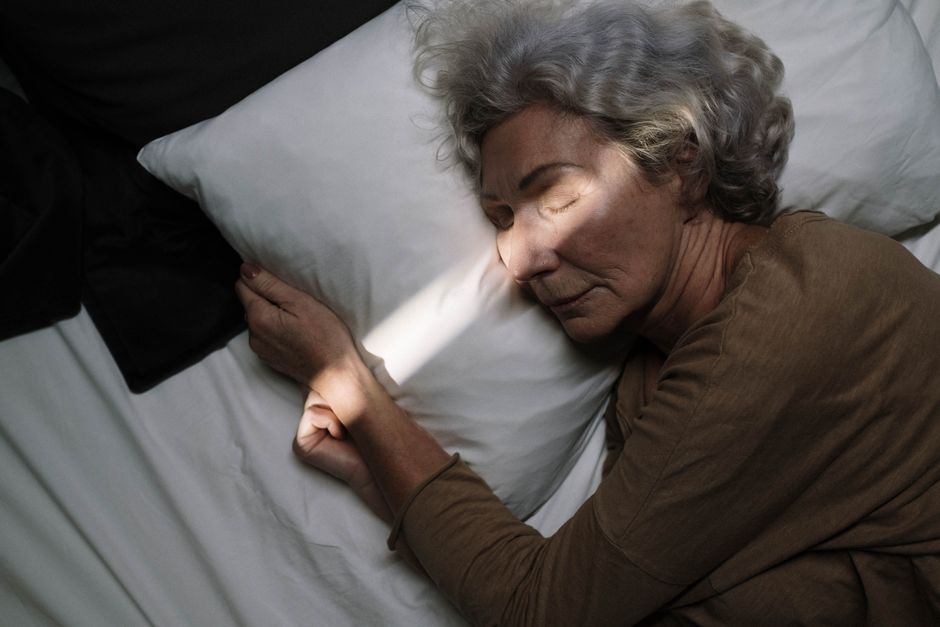
Waking up in the middle of the night is normal. Sleep scientists have known for decades that brief awakenings are part of healthy sleep — most people surface several times a night and fall back asleep without remembering it. The problem isn’t the waking. It’s the staying awake.
How to stay asleep for 8 hours without waking up comes down to three things: reducing the triggers that pull you fully awake, keeping your sleep drive strong, and training your body to return to sleep quickly when it does surface. Most overnight waking is driven by blood sugar shifts, temperature changes, light exposure, alcohol, stress hormones, and a bedroom that’s too warm or too noisy. Fix those and the awakenings either stop or stop mattering.
Why Do You Wake Up In The Middle Of The Night?
Your body doesn’t sleep in one continuous block. It cycles through stages roughly every 90 minutes — light sleep, deep sleep, and REM — and between each cycle there’s a brief window where you’re closer to consciousness. Noise, a full bladder, a room that’s too warm, or a cortisol pulse can tip you over the edge during those windows.
The most common causes fall into a few groups:
- Blood sugar dips. A drop in blood glucose overnight can trigger adrenaline and cortisol release, which pulls you awake. This is more likely if you ate a high-sugar meal close to bedtime or drank alcohol.
- Alcohol. Alcohol helps you fall asleep faster but fragments sleep in the second half of the night. It also relaxes the airway, worsening snoring and breathing disruptions.
- Temperature. Core body temperature needs to fall for sleep to hold. A bedroom above roughly 70°F (21°C) makes it harder to stay asleep for many people.
- Light and noise. Even dim light from a phone or streetlamp can suppress melatonin and signal wakefulness to the brain.
- Stress and cortisol. Cortisol naturally rises in the early morning hours, but chronic stress can bring it up earlier and sharper.
- Bladder pressure. Drinking a lot of fluid in the evening, or caffeine (a diuretic and stimulant), increases nighttime urination.
- Sleep disorders. Sleep apnea, restless legs syndrome, and periodic limb movement disorder cause repeated awakenings that people often don’t remember.
One thing worth knowing: if you wake at the same time every night — say 3 a.m. — that pattern is often tied to a cortisol surge or a blood sugar dip, not to a random event. Tracking the time for a week can point to the likely cause.
What Is Sleep Drive And Why Does It Matter For Staying Asleep?
Sleep drive is the pressure to sleep that builds the longer you stay awake. It’s driven largely by adenosine, a chemical that accumulates in the brain during wakefulness and makes you sleepy. Caffeine blocks adenosine receptors, which is why it keeps you awake — and why caffeine after midday can thin out your sleep drive by bedtime.
If you wake at 3 a.m. and can’t fall back asleep, one reason is that your sleep drive has already been partly discharged. You’ve had several hours of sleep, so the pressure is lower. The goal is to build enough sleep drive during the day that it carries you through the night.
Ways to protect sleep drive:
- Keep a consistent wake time, even on weekends. This anchors your circadian rhythm and keeps sleep drive predictable.
- Avoid long daytime naps, especially late in the day. A short nap (20–30 minutes) early in the afternoon is less disruptive for most people.
- Limit caffeine after early afternoon. Caffeine has a half-life of roughly 5 hours, meaning a quarter of a cup of coffee can still be in your system 10 hours later.
- Get bright light in the morning. Morning light sets your circadian clock and helps sleep come at the right time.
How To Stay Asleep For 8 Hours Without Waking Up: The Bedroom Setup
The environment does more for overnight sleep than most people realize. Your brain is monitoring for threats even while you sleep — a warm room, a light source, or a sound can trigger a full awakening.
Cool the room. Most sleep researchers point to a bedroom temperature in the mid-60s°F (around 18–19°C) as ideal for most adults, though individual comfort varies. If you wake up sweaty, the room is too warm.
Block the light. Use blackout curtains or a sleep mask. Even small amounts of light — a charger LED, a clock face — can affect melatonin. Cover or remove them.
Reduce noise or mask it. Earplugs help some people. A white noise machine can mask intermittent sounds like traffic or a partner’s movements. The key is consistency, not silence.
Keep the bed for sleep. If you use your bed for work, scrolling, or watching TV, your brain starts to associate it with wakefulness. Reserve it for sleep and intimacy.
Put the phone away. Checking the time when you wake is one of the most common habits that turns a brief awakening into a long one. The light and the mental math both activate the brain.





What Should You Eat And Drink To Avoid Night Waking?
What you eat in the hours before bed affects whether your blood sugar holds steady overnight. A meal heavy in refined carbohydrates or sugar can cause a glucose spike followed by a dip a few hours later — often right in the middle of the night.
A lighter evening meal with protein, fiber, and some fat tends to keep blood sugar more stable. Some people find a small protein-based snack before bed helpful, though the evidence for this is not strong and it doesn’t work for everyone. If you have diabetes or take glucose-lowering medication, talk to your doctor before changing evening eating patterns — overnight low blood sugar is a real risk in that group.
Alcohol is the bigger issue. Even one or two drinks close to bedtime can fragment the second half of your sleep and cause early-morning waking. If you’re waking at 3 or 4 a.m. regularly, try cutting alcohol for a week and see what changes.
Caffeine and fluids matter too. Stop caffeine by early afternoon and taper fluids in the two hours before bed to reduce bladder-driven waking.
Does Stress Cause You To Wake Up At Night?
Yes, and the mechanism is well understood. Cortisol, your primary stress hormone, follows a daily rhythm — low in the evening, rising through the night, peaking in the early morning to help you wake. Chronic stress flattens and shifts that curve, sometimes pushing cortisol higher earlier in the night.
People who wake with a racing mind or a sense of alertness often have a cortisol pattern that’s out of step with their sleep cycle. The fix isn’t to eliminate stress — it’s to give the nervous system a reliable wind-down signal.
What tends to help:
- A consistent pre-sleep routine — dim lights, no screens, a warm shower, light reading.
- Slow breathing. Extending your exhale (for example, inhaling for 4 counts and exhaling for 6) activates the parasympathetic nervous system.
- Writing down worries or a to-do list before bed. Some research suggests this reduces the mental rehearsal that keeps people awake.
- Getting out of bed if you’re awake for more than about 20 minutes. Staying in bed frustrated trains your brain to associate the bed with wakefulness.
What Should You Do When You Wake Up At 3 A.M.?
Don’t fight it in bed. If you wake and can’t fall back asleep within roughly 15–20 minutes, get up. Keep the lights low. Do something quiet and boring — read a paper book, sit in a chair, listen to calm audio. Return to bed when you feel sleepy again.
This is standard behavioral guidance used in cognitive behavioral therapy for insomnia (CBT-I), which is considered the first-line treatment for chronic insomnia in clinical guidelines. The principle is simple: your bed should be paired with sleep, not with the struggle to sleep.
Avoid checking the clock. Watching the minutes pass increases arousal and makes it harder to drift off. Turn the clock away from the bed.
If you wake with a jolt, a racing heart, or sweating, that’s worth mentioning to a doctor. It can be benign, but it can also point to sleep apnea, acid reflux, or a blood sugar issue.
When Should You See A Doctor About Night Waking?
Occasional night waking is normal and doesn’t need medical attention. See a doctor if you snore heavily, gasp or choke in your sleep, wake with a dry mouth or headache, or feel exhausted despite spending enough time in bed. Those can be signs of sleep apnea, which is common and treatable but often undiagnosed.
Also seek evaluation if you wake with leg discomfort or an urge to move your legs (possible restless legs syndrome), if nighttime urination is frequent, or if insomnia lasts more than three months and affects your daytime functioning. Persistent insomnia is treatable, and CBT-I has strong evidence behind it.
One clarification worth making: waking up at night is not a sign of poor sleep on its own. What matters is whether you fall back asleep and whether you feel rested during the day. Many people who wake briefly several times a night sleep well overall.
Frequently Asked Questions
Why do I wake up at exactly 3 a.m. every night?
Waking at the same time each night often reflects a cortisol surge or a blood sugar dip rather than a random event. Tracking the pattern for a week can help identify the trigger, and a doctor can rule out sleep apnea or other causes.
Is it normal to wake up during the night?
Yes. Brief awakenings between sleep cycles are a normal part of healthy sleep, and most people fall back asleep without remembering them. Waking becomes a problem only when you can’t return to sleep or feel unrested during the day.
Should I stay in bed if I wake up and can’t fall back asleep?
No. If you’re awake for more than about 15–20 minutes, get up and do something quiet in low light until you feel sleepy again. Staying in bed frustrated trains your brain to link the bed with wakefulness.
Does alcohol help you sleep through the night?
No. Alcohol can help you fall asleep faster, but it fragments sleep in the second half of the night and often causes early-morning waking. It also relaxes the airway, which can worsen snoring and sleep apnea.
