
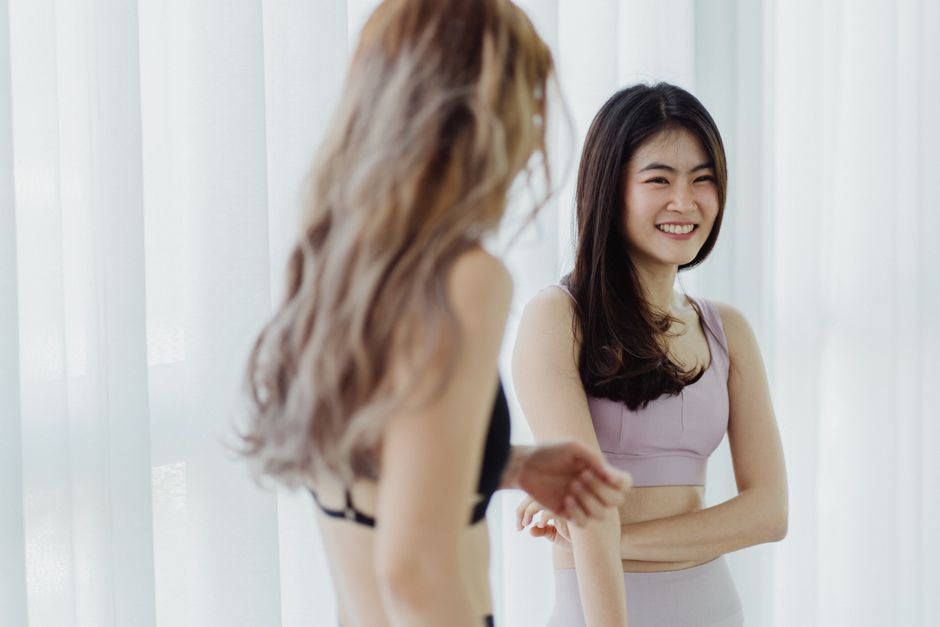
Standing with confidence is a skill you can practice, not a trait you are born with. It comes down to a few physical habits: a tall spine, relaxed shoulders, steady eye contact, and feet planted about hip-width apart. These signals are readable by others within seconds, and changing them changes how you feel as well as how you are seen.
Body language is not a magic trick. It will not make you a different person. But posture and movement are some of the few things you can control in a stressful moment, and that control has real value. Here is what the research actually supports, and where the popular advice goes further than the evidence does.
How To Stand With Confidence Body Language Tips?
Start with your base. Feet roughly hip-width apart, weight spread evenly across both feet, knees soft rather than locked. A stance that is too narrow reads as uncertain; one that is too wide can read as aggressive. Hip-width is the middle ground most people can find without thinking about it.
Next, the spine. Imagine a string pulling the top of your head gently upward. Your chin stays level, not lifted. The common advice to “lift your chin” often produces a slightly tilted-back head, which can look aloof or nervous rather than confident. A level chin with a long neck is what reads as composed.
Then the shoulders. Roll them back and down, then let them go. The goal is relaxed width, not a military brace. Held tension in the shoulders is one of the clearest signals of anxiety, and other people pick up on it quickly.
Finally, the hands. Let them hang naturally at your sides or rest loosely in front of you. Clasped hands, pockets, and crossed arms are not moral failures, but they close off your body and often signal self-protection. Open hands read as open intent.
Does Posture Actually Change How You Feel?
The idea that “power posing” changes your hormones and your confidence took hold after a widely shared study in the early 2010s. The picture since then is more complicated. Later research failed to replicate the hormonal effects, and the original findings have been publicly questioned by one of the authors.
What has held up better is a simpler claim: how you hold yourself can influence how you feel. Some studies suggest that adopting an upright posture can modestly affect mood and sense of self, though effects are generally small and not always reproduced. The evidence is mixed and the effect sizes are not large.
The practical takeaway is honest. Do not expect a two-minute pose to transform your confidence. Do expect that standing tall instead of hunched will make you feel somewhat more grounded, and that it will reliably change how others read you. The second effect is much better established than the first.
Why Does Eye Contact Matter So Much?
Eye contact is one of the strongest social signals humans have. Steady, relaxed eye contact communicates attention and self-assurance. Darting eyes or a downward gaze can signal discomfort or uncertainty.
But more is not better. Held too long, eye contact becomes uncomfortable or even threatening. The natural rhythm is to look while listening, look away briefly while thinking, and return. Most people do this without noticing. When nervous, people tend to break eye contact too quickly or avoid it entirely.
A useful practice is to hold eye contact just slightly longer than feels natural, then look away calmly rather than darting. This is not about staring someone down. It is about not fleeing the interaction with your eyes.
What Do Nervous Habits Give Away?
Fidgeting is the most common confidence leak. Tapping fingers, jiggling a foot, touching your face or hair, adjusting clothing repeatedly. These movements are usually unconscious and often increase when anxiety rises.
Other common tells include:
- Shifting weight from foot to foot instead of standing still
- Crossing and uncrossing arms
- Checking a phone or watch repeatedly
- Pulling at sleeves or a collar
You do not need to eliminate all movement. Perfect stillness can look stiff or strange. The goal is fewer, slower, more deliberate movements. Slowing down is often more effective than stopping altogether, and it is easier to do under pressure.
Can You Practice Confident Body Language?
Yes, and practice is where most of the benefit comes from. Body language under stress tends to revert to habit, so the habits need to be built before you need them.
A few approaches that make sense:
- Mirror practice. Stand in front of a mirror and check your stance, shoulders, and chin. It feels awkward, but it gives you a reference point for what “tall and relaxed” feels like in your body.
- Video yourself. A short recording of yourself speaking or standing reveals habits you cannot feel from the inside, like swaying or shoulder tension.
- Slow, deliberate movement. Rushing movements read as nervous. Practicing slower, smoother motion in low-stakes situations makes it more available when stakes are higher.
- Breathing. Slow, steady breathing helps reduce the physical signs of anxiety, which in turn reduces the fidgeting that gives it away.
None of this requires special equipment, and none of it depends on a particular program or product. It is repetition, like any physical skill.
What Confidence Signals Should You Not Fake?
Some popular advice about confident body language crosses into territory that is not supported. The idea that you can project dominance through expansive, space-taking poses and that this will reliably change how others perceive you is not well established. In some settings, taking up too much space reads as aggressive rather than confident.
Similarly, advice to “never break eye contact” or to “hold a power stance” for a set number of minutes is not backed by strong evidence. These are not harmful, but they are not reliable tools either. Treat them as optional experiments rather than rules.
There is also a difference between confidence and warmth. Body language that signals confidence without any warmth can come across as cold or arrogant. The most effective stance is usually one that is open and steady rather than dominant. Relaxed shoulders and open hands do more than a wide stance and a fixed stare.
Does Body Language Work the Same for Everyone?
No. Cultural norms around eye contact, personal space, and posture vary widely. In some cultures, direct eye contact with certain people is considered disrespectful rather than confident. The amount of space people stand apart also differs by culture and context.
What reads as confident in one setting can read as rude in another. If you are in an unfamiliar environment, it is worth observing how others carry themselves before applying a fixed set of rules.
Individual differences matter too. People with social anxiety, autism, or physical conditions that affect posture may find some of this advice harder to apply or less relevant. The goal is not to perform a perfect pose. It is to find a way of standing and moving that feels more grounded for you.
The Bottom Line on Standing With Confidence
Confident body language is not a secret code. It is a set of simple, learnable habits: a tall spine, relaxed shoulders, a level chin, steady but natural eye contact, and fewer nervous movements. The evidence that these change how others see you is solid. The evidence that they change how you feel is more modest and mixed.
Practice matters more than any single tip. Build the habits in low-stakes moments so they are available when you need them. And remember that confidence is not the absence of nerves. It is standing steady even when you feel them.
Frequently Asked Questions
How long does it take to look more confident through body language?
There is no fixed timeline, but most people notice a difference in how they carry themselves within a few weeks of regular practice. The change is gradual because it depends on replacing habits, not learning a single trick.
Does standing up straight really make you feel more confident?
Some studies suggest upright posture can modestly affect mood and self-perception, but the evidence is mixed and effects are generally small. The effect on how others perceive you is better established than the effect on how you feel.
Is power posing backed by science?
The original claims about hormone changes from power posing have not held up well in later research and have been questioned by one of the original authors. Some effects on felt confidence have been reported, but results vary and are not reliable enough to depend on.
What is the most important body language signal for confidence?
There is no single most important signal, but relaxed shoulders and steady, natural eye contact tend to carry the most weight. Fidgeting and a hunched posture are the most common signals that undercut confidence.
