
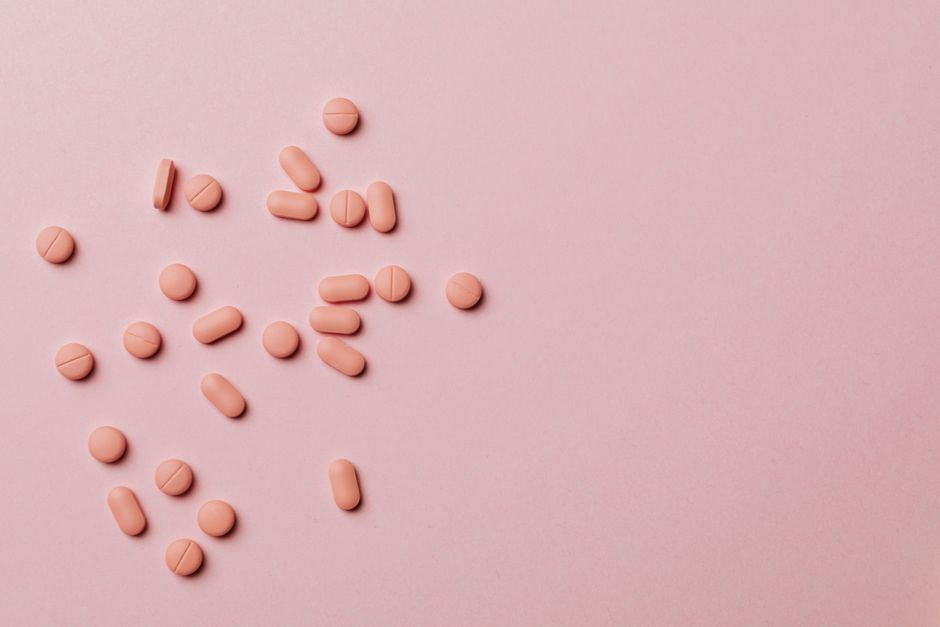
Delaying your period is possible with medication, and some natural approaches are worth discussing with a clinician, but only prescription methods are proven to work reliably. The most common medical approach uses a hormone medication called norethisterone, which a doctor prescribes to push back your menstrual cycle. Natural remedies like apple cider vinegar or lemon juice are not supported by clinical evidence and cannot be trusted to stall your period.
How Do Period-Delay Pills Work?
Period-delay pills contain a synthetic version of progesterone, a hormone your body makes naturally. Norethisterone is the most commonly prescribed option for this purpose in many countries.
Progesterone keeps the lining of your uterus stable. When you stop taking the pill, the hormone level drops. That drop triggers the lining to shed, which is your period. By taking norethisterone continuously past your normal cycle day, you hold that lining in place and delay the bleed.
This is not birth control. Taking norethisterone will not prevent pregnancy. If you need contraception during the time you are delaying your period, you need a separate method.
How To Take Norethisterone To Stall A Period
Norethisterone is typically started three to four days before your period is expected. You take it daily for as long as you need to delay the bleed, up to a maximum of about two weeks.
A common prescribed dose is 5 milligrams taken three times a day, or 10 milligrams once daily. Your doctor will give you the exact dose for your situation. Do not self-prescribe this medication. It requires a prescription in most countries.
Your period usually arrives two to three days after you stop taking the tablets. Some women experience a heavier or more painful period following a delay. That is a normal response to the hormone withdrawal.
What Are The Side Effects Of Period-Delay Pills?
Side effects are generally mild but can be bothersome. Nausea, breast tenderness, headache, and bloating are the most commonly reported issues. Some women also notice mood changes or breakthrough bleeding while taking the pills.
Breakthrough bleeding means light spotting or a small bleed while you are still on the medication. It does not mean the pill failed. It can happen if your natural hormone levels fluctuate while you are taking the synthetic progesterone.
Serious side effects are rare but require immediate medical attention. These include chest pain, shortness of breath, leg pain or swelling, and severe headache. These symptoms can indicate a blood clot, which is a rare but real risk with any progesterone medication.
You should not take norethisterone if you have a history of blood clots, liver disease, or certain types of cancer. Pregnant women must not take it. Your doctor will review your medical history before prescribing.




Do Natural Remedies Actually Delay Your Period?
No natural remedy has been proven in clinical studies to delay a period. Claims about vitamin C, lemon juice, apple cider vinegar, or parsley tea circulating online are not supported by medical evidence.
Some people suggest that high doses of vitamin C might affect progesterone levels. The theory exists, but no reliable human studies confirm that it delays menstruation. Taking massive doses of vitamin C can cause stomach cramps and diarrhea, which is not a safe way to manage your cycle.
Herbal options like parsley or ginger are sometimes mentioned in folk medicine. There is no clinical evidence that these herbs can stall your period. Drinking large amounts of parsley tea can be harmful because parsley contains compounds that may affect the uterus.
The honest position is clear: if you need to delay your period for a wedding, vacation, or important event, prescription medication is the only method with proven effectiveness.
Can Continuous Birth Control Pills Delay Your Period?
Yes. If you already take combination birth control pills, you can skip the placebo week and start the next pack immediately. This method is called continuous or extended-cycle use.
By skipping the sugar pills, you avoid the hormone drop that causes withdrawal bleeding. Many women use this method to skip periods for months at a time. It is generally considered safe, though breakthrough bleeding can occur.
This approach works best if you plan ahead. If you are already halfway through your pack and your period is days away, starting the next pack early will not help. You need to finish your current active pills and then begin the new pack instead of taking the placebos.
Progestin-only pills, sometimes called the mini-pill, work differently. They do not have placebo weeks, and their effectiveness at delaying periods is less predictable. Breakthrough bleeding is common with progestin-only methods.
Can You Take Norethisterone If Your Period Has Already Started?
Norethisterone is not effective for stopping a period that has already begun. Once the uterine lining is shedding, the process is underway and medication cannot reliably reverse it.
If your period starts earlier than expected and you have not yet taken the medication, the delay option is no longer available for that cycle. Some clinicians may prescribe a different approach, but the evidence for stopping an active period is limited.
The same applies to continuous birth control pills. If you are already bleeding, starting a new pack will not stop the current bleed. You would need to have skipped the placebo week before the bleeding started.
What Are The Risks Of Trying To Delay Your Period Regularly?
Delaying your period occasionally, such as once or twice a year, is generally considered safe for healthy women. Doing it repeatedly over many months is a different situation.
Frequent use of norethisterone can disrupt your natural cycle. Your periods may become irregular for a few months after you stop. Some women report changes in cycle length or flow that take time to regulate.
Continuous birth control use for extended periods is also safe for many women, but it should be a planned decision with your clinician. Some women prefer scheduled breaks every few months to allow a withdrawal bleed and reduce breakthrough spotting.
No long-term studies confirm that delaying your period regularly has serious health consequences. But the evidence is also not extensive enough to declare it completely risk-free over many years. The conservative approach is to use these methods occasionally rather than as a routine practice.
When Should You Talk To A Doctor?
Talk to your doctor before attempting any method to delay your period. This is not a decision to make based on internet research alone.
Your doctor needs to confirm you are not pregnant before prescribing norethisterone. Taking progesterone while pregnant can affect fetal development. A pregnancy test is a standard part of the prescribing process.
You should also discuss your medical history, including any history of blood clots, migraines with aura, high blood pressure, or smoking. These factors influence whether hormone medication is safe for you.
If you have irregular periods, unexplained bleeding, or pelvic pain, do not attempt to delay your period. These symptoms need evaluation first. Suppressing a bleed that is a sign of an underlying condition can delay diagnosis and treatment.
What Happens After You Stop The Delay Medication?
Your period typically arrives within two to three days after stopping norethisterone. For some women, it takes up to a week.
The bleed may be heavier than usual. This is because the uterine lining has had extra time to build up. Cramping can also be more intense. This is normal and not a cause for concern.
Your next cycle may be slightly irregular. Some women find their next period comes a few days later than usual. This usually resolves within one or two cycles without any intervention.
If your period does not arrive within one week after stopping the medication, take a pregnancy test. If you had unprotected sex before or during the delay period, pregnancy is possible even if you took the pills correctly.
Is It Safe To Use Norethisterone While Traveling?
Many women use period-delay medication specifically for travel. The main concern is not the medication itself but the practicalities of managing it.
Carry the medication in your hand luggage. Pack enough for the full duration plus a few extra days in case your return is delayed. Store it in its original packaging with the pharmacy label.
If you are flying across multiple time zones, keep taking the pill at roughly the same time each day based on your home time zone. Consistency matters more than the exact hour. Set an alarm on your phone to avoid missing a dose.
If you miss a dose, take it as soon as you remember. Do not double up on the next dose unless your doctor advises it. Missing doses increases the risk of breakthrough bleeding and may reduce the effectiveness of the delay.
Frequently Asked Questions
How many days can you safely delay your period with norethisterone?
Norethisterone is typically prescribed for up to 14 days of delay. Taking it longer than that requires a discussion with your doctor about the risks and benefits.
Can ibuprofen or other painkillers delay your period?
No evidence confirms that ibuprofen can delay a period. Some studies suggest high doses may reduce menstrual flow, but this is not a reliable or approved method for delaying your cycle.
Does vitamin C actually delay your period?
No clinical evidence confirms that vitamin C delays menstruation. The claims come from anecdotal reports and unverified theories, not from human studies.
Will your period be heavier after taking delay pills?
Yes, the period after stopping norethisterone is often heavier than usual. This happens because the uterine lining has built up more tissue during the delay period.
