
Barbell squats hurt your neck when the bar rests on the wrong spot, usually directly on the bony top of your cervical spine instead of the meaty shelf of your upper traps or rear delts. The fix is a combination of bar position, upper back tightness, and how you hold the bar with your hands. Most people can eliminate the discomfort without giving up squats, though it sometimes takes a few sessions of adjusting one variable at a time.
The neck is not built to carry load. The cervical spine has small vertebrae and thin supporting muscles compared to the lumbar spine below it. When a barbell presses against the spinous processes — the bony knobs you can feel at the back of your neck — it creates concentrated pressure on structures that have very little padding. Move the bar two inches down onto muscle, and the same weight suddenly feels manageable.
Why Does The Bar Hurt Your Neck During Squats?
Pain during a squat usually comes from one of three places: the bar sitting on bone, the bar rolling because your upper back is loose, or your hands and elbows forcing your neck into an awkward position.
The most common cause is bar placement. In a high-bar squat, the bar should rest across the top of your trapezius muscles, just below the seventh cervical vertebra — the bump at the base of your neck. If it sits above that point, it’s pressing on the cervical spinous processes. Those bones have almost no muscle covering them. Even 95 pounds concentrated on that spot will hurt.
The second cause is a loose upper back. If your thoracic spine is rounded or your shoulder blades aren’t pulled together, the bar has no stable shelf. It slides, and sliding means friction and pressure points that shift with every rep.
The third cause involves your grip and elbow position. If your hands are too far apart or your elbows are flared, your shoulders can’t create a stable base. The bar then rides higher on your neck than it should.
Where Should The Bar Sit To Avoid Neck Pain?
There are two valid bar positions for back squats, and both should keep the bar off your cervical spine. The choice depends on your limb lengths, mobility, and goals.
High-bar position: The bar rests on top of the traps, roughly at the level of the C7 vertebra. Your hands are narrower — typically just outside shoulder width. Your torso stays more upright. This position suits people with good ankle and hip mobility who can squat deep without excessive forward lean.
Low-bar position: The bar sits lower, across the rear deltoids and the spine of the scapula. Your hands are wider, and your torso leans forward more. This position puts the bar on a larger, more muscular surface, which many people find more comfortable. It does require more shoulder mobility to reach the bar with a wider grip.
Neither position should ever place the bar on the back of your neck. If you can feel the bar against the bony ridge at the base of your skull or the knobs running down your cervical spine, it’s too high regardless of which style you’re attempting.
How Do You Set Up The Bar Correctly?
Setup determines whether the bar stays put or digs in. The sequence matters more than most people realize.
- Set the rack hooks at roughly mid-chest height so you can unrack without rising onto your toes.
- Step under the bar and place it where you intend to carry it — traps for high-bar, rear delts for low-bar.
- Pull your shoulder blades together and down before you lift the bar off the hooks. This creates the shelf.
- Grip the bar firmly. Your palms should be pressing forward against the bar, not just resting on top of it.
- Take a breath, brace your core, and stand up with the bar. Step back with no more than two or three steps.
The grip deserves extra attention. Many people hold the bar with loose hands and rely on their neck and upper back to keep it stable. That doesn’t work. Your hands should be actively pressing the bar into your back. Think about bending the bar across your shoulders. This engages your lats and creates tension that holds the bar in place.
If your shoulders or wrists are too tight to reach the bar with a standard grip, a wider grip or a thumbless grip (often called a suicide grip) can help — but the thumbless grip carries a real risk of the bar rolling out of your hands. A safer alternative is to work on shoulder and wrist mobility over time, or use a safety squat bar if your gym has one.




What If The Pain Comes From Your Neck Position, Not The Bar?
Sometimes the bar is in the right place, but your neck is in the wrong one. Craning your head up to look at the ceiling or jamming your chin down toward your chest both put your cervical spine in a compromised position under load.
The neutral position is roughly where your head sits when you’re standing tall and looking straight ahead. During a squat, your gaze should stay on a point on the floor or wall a few feet in front of you. Your neck stays in line with your spine. As you descend, your torso leans forward, and your head follows that line. You don’t need to fight it.
Some lifters find that tucking their chin slightly — creating a “double chin” — helps them keep their cervical spine neutral. This is a common cue in strength coaching. It’s not mandatory, but it works for many people.
Does Equipment Help With Neck Pain During Squats?
Equipment can help, but it doesn’t fix the underlying problem. A bar pad, for example, adds cushioning between the bar and your neck. It can reduce discomfort if the bar is slightly high or if you have a bony upper back. The trade-off is that a thick pad changes the bar’s diameter and can make the bar feel less stable on your back. Some competitions don’t allow them, and using one consistently may prevent you from learning proper bar placement.
A safety squat bar (SSB) is a different tool entirely. It has padded yoke arms that rest on your shoulders and handles in front of you. The design removes the need to hold the bar behind your neck and shifts the load forward. Many lifters with shoulder or neck issues use an SSB as their primary squat variation. If your gym has one, it’s worth trying.
A barbell with a thicker diameter or a different knurling pattern can also change how the bar feels. This is individual — some people prefer a sharp knurl for grip, others find it irritating against their skin.
When Should You Stop Squatting And See A Professional?
Sharp, shooting, or electric-shock-like pain that travels down your arm is not a bar-placement problem. Neither is numbness, tingling, or weakness in your hands. These symptoms suggest nerve involvement and need evaluation by a physician or physical therapist before you continue loading your spine.
Persistent neck pain that doesn’t improve after you’ve corrected your bar position and setup also warrants a professional assessment. A physical therapist who works with lifters can assess your thoracic mobility, shoulder mechanics, and cervical alignment. Some people have structural issues — like a previous disc injury or cervical spondylosis — that make certain bar positions problematic regardless of technique.
Dull, localized soreness right where the bar sits is usually just pressure on muscle and skin. That typically fades as you adapt. It’s not the same as nerve pain, and the distinction matters.
Can You Squat Without A Barbell On Your Neck?
Yes. If neck discomfort persists despite good technique, several squat variations load the legs without putting a bar on your upper back.
- Front squat: The bar rests on your front delts and collarbone, not your neck. It requires good wrist and shoulder mobility but takes all pressure off the cervical spine.
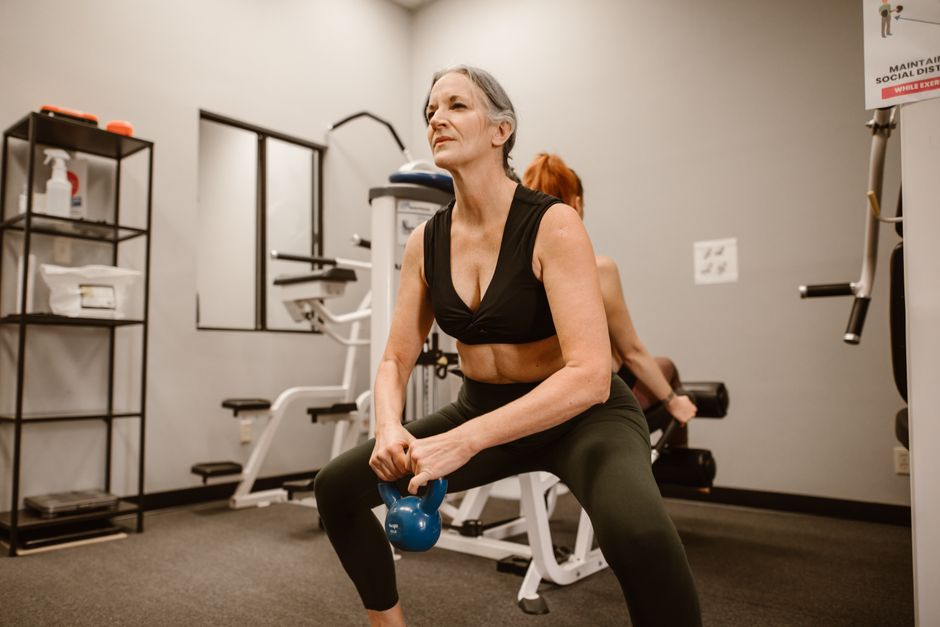
- Goblet squat: You hold a single dumbbell or kettlebell at chest height. Light loads only, but useful for learning the movement pattern.
- Safety squat bar: As mentioned, the padded yoke sits on your shoulders and the handles are in front of you.
- Belt squat: A machine-based variation where the load hangs from a belt around your hips. No spinal loading at all.
- Leg press and hack squat: Machine options that train the quads and glutes without any bar on your back.
None of these are identical to a barbell back squat in terms of carryover, but they all build leg strength. If your goal is general fitness rather than competing in powerlifting, any of them can replace the back squat entirely.
What Most People Get Wrong About Bar Position
The bar doesn’t need to be comfortable. It needs to be stable. A little pressure on your traps is normal and expected. What’s not normal is pain that makes you want to rack the weight after two reps.
Another common mistake is assuming that neck pain means you’re doing something dangerously wrong. In most cases, it means the bar is an inch or two too high or your upper back is loose. Those are fixable. The lift itself isn’t the problem.
One more thing: if you’re new to barbell squats, your upper back may not have the muscle development yet to create a comfortable shelf. That develops over time. Until then, lighter loads and a bar pad are reasonable interim measures while you build the tissue.
Frequently Asked Questions
Why does the bar hurt my neck even with a pad?
A pad adds cushioning but doesn’t change where the bar sits. If the bar is still resting on your cervical spine rather than your traps or rear delts, the pad only partially masks the problem. Check your bar height first, then decide if you still need the pad.
Is it normal for the bar to leave marks on your back?
Yes. Red marks or mild bruising where the bar contacts your traps or rear delts are common and not a sign of injury. They fade within a day or two. Sharp pain, numbness, or marks on your cervical spine are different and mean the bar is misplaced.
Should I look up or straight ahead when squatting?
Keep your neck neutral, roughly in line with your spine. Looking straight ahead or slightly down at a fixed point works for most people. Craning your head up or jamming your chin down both strain the cervical spine under load.
Can neck pain from squats cause long-term damage?
Pressure-related soreness on muscle tissue typically resolves without lasting effects. Nerve symptoms — shooting pain, numbness, or weakness in the arms — are different and should be evaluated by a clinician before you continue squatting.
