
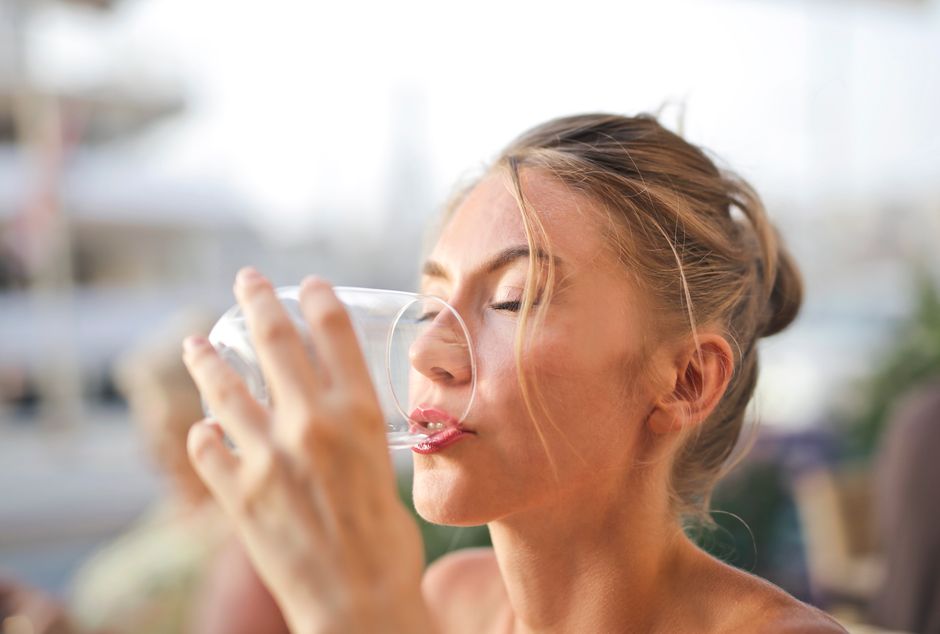
Facial redness from heavy drinking and the redness that comes with getting older can look almost identical in a photograph. Both tend to show up on the cheeks, nose, and central face, and both can look flushed, blotchy, or permanently pink. The main difference is what causes them and how they behave over time. Alcohol-related redness is driven by how the body processes alcohol and by widened blood vessels, while aging redness usually comes from decades of sun exposure, thinner skin, and visible small vessels near the surface.
How To Spot An Alcoholic Face Redness To Aging
Alcohol-related flushing tends to appear within minutes of drinking and fades over hours, while aging-related redness is usually persistent and not tied to a drink. That timing difference is the single most useful clue.
Alcohol causes blood vessels in the face to widen. This is a direct physical effect, not a sign of an allergy in most people. The result is a warm, pink or red flush across the cheeks, nose, and sometimes the neck and chest. In some people, the flush is intense and comes with a racing heart, headache, or nausea.
Aging redness behaves differently. It does not come and go with a drink. It sits on the face day after day and may slowly spread or deepen over years. It often reflects sun damage accumulated earlier in life rather than anything happening in the moment.
One detail worth knowing: the pattern matters as much as the color. Alcohol flushing usually hits both cheeks fairly evenly and often includes the nose. Sun-driven redness from aging tends to follow the areas the sun hits most, which can be the nose, upper cheeks, and forehead.
Why Does Alcohol Turn Some Faces Red?
When you drink, your body converts alcohol into a substance called acetaldehyde, then breaks that down further. In some people, the second step runs slowly because of a genetic variant in an enzyme. Acetaldehyde builds up, and the face flushes.
This pattern is common in people of East Asian descent. It is caused by a variation in the gene for an enzyme called aldehyde dehydrogenase 2, or ALDH2. People with this variant often flush strongly after even small amounts of alcohol.
Even without that genetic variant, alcohol widens blood vessels. It also raises heart rate and can raise skin temperature. The combination produces the flushed look many people recognize.
Some people flush because of a histamine-like reaction to compounds in certain drinks, particularly red wine. This is different from the enzyme issue and tends to vary by what someone drinks rather than how much.
Rosacea is a separate condition that can be triggered by alcohol but is not caused by it. People with rosacea often flush more easily in general, from heat, spicy food, or stress as well as alcohol. If redness is frequent and triggered by many things, that points toward rosacea rather than alcohol alone.
What Does Aging Do to Facial Redness?
Skin thins with age. The outer layer loses some of its cushioning, and small blood vessels near the surface become more visible. This makes redness easier to see even when nothing has changed underneath.
Decades of sun exposure are the bigger factor. Ultraviolet light damages skin over time, and that damage can show up as persistent redness, broken visible vessels, and uneven tone. This is why people who spent years outdoors often have more facial redness than those who did not.
Collagen and elastin, the proteins that give skin its structure, decline with age. Skin becomes less able to bounce back from irritation. A minor flush that would have faded quickly at 25 may linger longer at 55.
Hormonal changes matter too. Some women notice increased flushing around menopause, driven by shifts in blood vessel control rather than by alcohol or sun.





Can You Tell Heavy Drinking From Normal Aging by Looking?
No. You cannot reliably tell how much someone drinks just by looking at their face. This is one of the most common assumptions people make, and it is often wrong.
Facial redness has many causes. Sun damage, rosacea, genetics, medications, and hormonal changes can all produce a red face in someone who rarely drinks. The reverse is also true: some people who drink heavily do not develop obvious facial redness at all.
What clinicians look at is a pattern of signs, not one feature. Heavy long-term alcohol use can be associated with changes beyond the face, including redness and visible vessels on the nose and cheeks, a swollen or puffy look, and enlarged oil glands. But none of these is specific to alcohol on its own.
This matters because guessing wrong has real consequences. Assuming someone has a drinking problem based on their complexion can be unfair and inaccurate. Assuming the opposite, that redness is just aging, can mean missing a treatable skin condition.
What Else Causes a Red Face Besides Alcohol?
Rosacea is the most common cause of persistent facial redness in adults. It usually starts between the ages of 30 and 50 and tends to affect the central face. It comes and goes in flares and can be triggered by heat, sun, stress, spicy food, and alcohol.
Sun damage is another major cause. Years of ultraviolet exposure can leave skin with a permanently ruddy tone and visible small vessels, especially on the nose and cheeks.
Other causes include:
- Certain medications, including some blood pressure drugs and niacin
- Menopause and other hormonal shifts
- Skin conditions such as seborrheic dermatitis or eczema
- Rare conditions like carcinoid syndrome, which also causes other symptoms
- Emotional stress and temperature changes
If redness comes with other symptoms, such as a rapid heartbeat, diarrhea, or breathing trouble, that is a reason to see a doctor rather than assume it is cosmetic.
When Should Facial Redness Be Checked by a Doctor?
See a doctor if redness is persistent, spreading, painful, or comes with other symptoms. A dermatologist can often tell the difference between rosacea, sun damage, and other causes with a simple visual exam.
Redness that appears suddenly and intensely, or that comes with swelling, warmth, or fever, needs prompt attention. So does redness that develops after starting a new medication.
For people who drink heavily, facial redness is rarely the most important health concern. Alcohol affects the liver, heart, brain, and several other systems, and those effects are usually more serious than how the face looks. If drinking is a concern, that conversation with a doctor is worth more than any skin observation.
It is also worth being honest about what a doctor can and cannot do. Treating the redness itself may be possible. Treating the underlying cause depends entirely on what that cause turns out to be.
What Actually Helps Reduce Facial Redness?
Sun protection is the most reliable step for redness tied to aging and sun damage. Daily sunscreen and avoiding peak sun hours reduce further damage and can keep redness from getting worse.
For alcohol-related flushing, the only direct fix is drinking less or not at all. The flush is a direct response to alcohol in the bloodstream, so nothing topical will prevent it while drinking continues.
For rosacea, treatment usually involves a combination of trigger avoidance and prescription options. Some clinicians recommend topical medications, oral antibiotics, or laser therapy for visible vessels. The evidence for laser treatment of visible vessels is reasonably solid, though results vary and repeat sessions are often needed.
General skin care helps but has limits. Gentle cleansing, moisturizing, and avoiding harsh products can reduce irritation. No cream has been shown to reverse sun damage or eliminate the flushing response to alcohol.
Be cautious with products marketed as redness cures. Many make claims that no study has confirmed. If a product promises to fix a red face permanently, that is a reason for skepticism, not hope.
Frequently Asked Questions
Does alcohol cause permanent facial redness?
Long-term heavy drinking is associated with persistent facial redness and visible blood vessels, especially on the nose and cheeks. However, not everyone who drinks heavily develops it, and the relationship is not one-to-one.
Can a red face mean liver damage?
A red face alone does not indicate liver damage. Liver problems can cause other visible signs, but facial redness by itself is not a reliable marker, and a doctor would need blood tests to check liver function.
Is facial redness from alcohol reversible?
Early flushing that fades between drinks is generally reversible with reduced drinking. Permanent visible vessels that have developed over years often do not go away on their own and may need medical treatment.
How can I tell if my red face is rosacea or alcohol-related?
Rosacea tends to flare from many triggers, including heat, stress, and spicy food, not just alcohol. If redness appears mostly after drinking and fades afterward, alcohol is the more likely trigger.
