
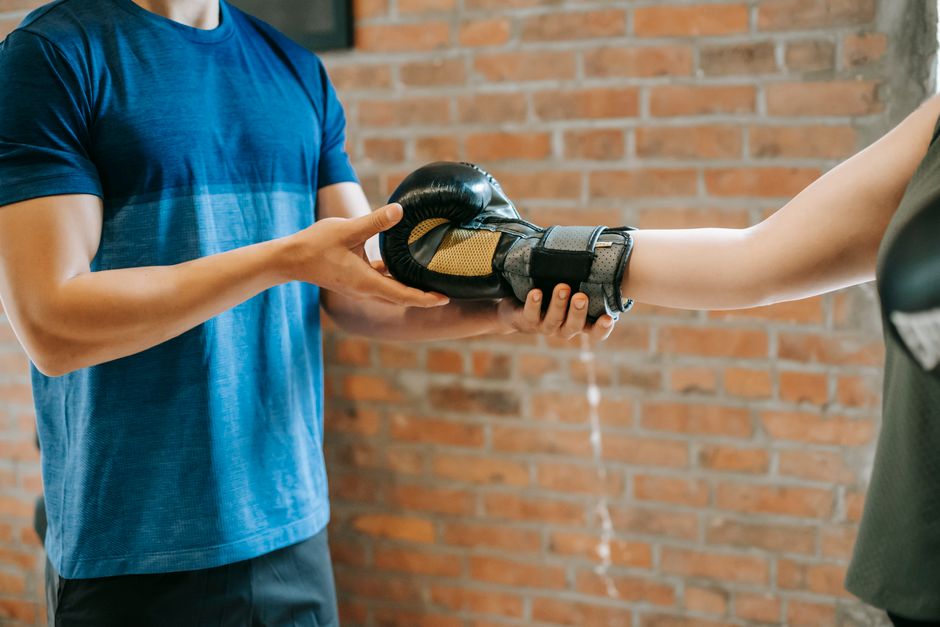
A boxer’s fracture is a break at the neck of the fifth metacarpal, the bone that connects your pinky finger to your wrist. It usually happens when you punch a hard object, like a wall or another person. If you suspect this injury, you need to immobilize the hand and seek medical care. This guide explains the first aid steps to splint the injury safely while you get professional help.
What Exactly Is a Boxer’s Fracture?
A boxer’s fracture is a specific break in the hand. The fifth metacarpal bone is the long bone that supports your pinky finger. The “neck” of this bone is near the knuckle. When that area fractures, it often angulates or shifts out of place.
The name comes from the classic cause: punching something with a closed fist. The impact travels down the pinky and ring finger, concentrating force on the fifth metacarpal neck. It is one of the most common hand fractures seen in emergency rooms.
You might see visible deformity, swelling, or bruising over the pinky side of the hand. The pinky may look shortened or rotated. You may also have difficulty straightening the finger fully.
When Should You Not Splint and Go Straight to the ER?
Some situations require immediate emergency care, not home first aid. If the skin is broken near the fracture, you may have an open fracture. This carries a high risk of infection and needs urgent surgical cleaning.
Go to an emergency department immediately if you notice any of these signs:
- The bone is visibly sticking out of the skin
- The finger or hand is numb or tingling
- The finger is pale, blue, or cold to the touch
- You cannot move your fingers at all
- Severe pain that does not improve with elevation and ice
These symptoms suggest nerve, blood vessel, or severe tissue damage. Do not attempt to splint or manipulate the hand in these cases. Leave the hand in the position you found it and seek emergency care right away.
Even without these warning signs, a suspected fracture is a medical emergency. Splinting is first aid only. It is not treatment. You need an X-ray and a doctor’s evaluation to confirm the break and check the alignment.
What Supplies Do You Need to Splint a Boxer’s Fracture?
You do not need specialized medical equipment for a temporary splint. Most homes have suitable materials. The goal is to keep the wrist and hand still, not to correct the bone position.
Gather these items before you start:
- A rigid surface such as a padded board, a thick magazine, or a rolled-up newspaper
- Soft padding like gauze, a clean cloth, or a towel
- Rolled gauze, medical tape, or strips of clean cloth to secure the splint
- Ice pack or a bag of frozen vegetables wrapped in a towel
The rigid object should extend from the middle of your forearm to past the tip of your pinky finger. This length prevents wrist movement, which is essential because wrist motion pulls on the fractured bone.





How To Splint A Boxer’s Fracture Step By Step?
Follow these steps carefully. Work gently and do not force the hand into a straight or natural position. If the hand resists movement, splint it in the position it naturally rests in.
Step 1: Remove jewelry immediately. Swelling can progress quickly. Rings on any finger, but especially the pinky or ring finger, can cut off circulation within minutes. Remove all rings, bracelets, and watches from the injured hand before swelling worsens.
Step 2: Place the hand in a position of comfort. Most people naturally hold the wrist slightly extended and the fingers gently curved. Do not force the fingers straight. Do not make a fist. The hand should rest in a neutral, relaxed position.
Step 3: Apply padding directly against the skin. Place a layer of soft cloth or gauze over the entire area the splint will touch. Pay special attention to the knuckle of the pinky and the bony bump on the outside of the wrist. These areas are prone to pressure sores.
Step 4: Position the rigid splint. Lay the rigid object along the underside of the forearm and hand, from the mid-forearm to the tip of the pinky. The splint should support the palm side of the hand. This position naturally keeps the wrist stable.
Step 5: Secure the splint with wraps. Start wrapping at the forearm and work toward the hand. Use rolled gauze or cloth strips. Wrap snugly enough to hold the splint in place but not so tight that it restricts blood flow. Leave the fingertips visible so you can check circulation.
Step 6: Check circulation every few minutes. Press on the pinky fingernail. It should turn white and then return to pink within two seconds. If the nail stays white or the finger becomes numb or blue, loosen the wrap immediately and reapply it more loosely.
Step 7: Apply ice and elevate. Place an ice pack wrapped in a thin towel over the splinted area for 15 to 20 minutes at a time. Keep the hand elevated above heart level using pillows or a sling. This reduces swelling and pain.
Do not attempt to realign the bone yourself. Do not pull on the finger. These actions can cause further tissue damage and complicate surgical repair if one is needed.
What Position Should the Hand Be In?
The safest position for a temporary splint is the “position of function.” This is the posture your hand naturally takes when relaxed. The wrist is slightly extended backward, the fingers are gently curved, and the thumb is in a relaxed opposition.
Do not splint the hand in a straight, flat position. This places tension on the fractured bone and increases pain. Do not splint it in a fist position either. This can lead to stiffness and makes later treatment more difficult.
If the injured person cannot comfortably hold their hand in a neutral position, splint it wherever it rests. Comfort is the priority. Forcing the hand into any position, even the ideal one, can worsen the injury.
What Happens at the Doctor’s Office or Emergency Room?
The medical team will take X-rays to confirm the fracture and measure the angle of displacement. This measurement determines the treatment approach. Mildly angled fractures may be treated with a cast or splint. Severely angled or rotated fractures often require surgery.
Doctors may prescribe pain medication and will likely give you a referral to an orthopedic hand specialist. You will probably need follow-up X-rays to monitor healing. Most boxer’s fractures heal well with proper treatment, but stiffness and reduced grip strength can persist for months.
Be honest with your doctor about how the injury happened. This information helps them assess risks. For example, if the injury occurred during a fight, there is a higher chance the skin was broken by a tooth, which requires antibiotics and specific wound care.
What Are Common Splinting Mistakes to Avoid?
The most common mistake is wrapping the splint too tightly. A tight wrap can cause compartment syndrome, a dangerous condition where pressure builds up inside the hand and cuts off blood flow. This is a surgical emergency.
Another frequent error is splinting only the finger. A boxer’s fracture needs the wrist immobilized too. If the wrist can move, it transmits force to the fracture site with every small movement, which delays healing and increases pain.
People also often ice the hand directly on the skin. Ice applied directly can cause frostbite and nerve damage. Always wrap ice in a cloth or towel before applying it to the skin. Limit ice sessions to 20 minutes at a time with at least 40 minutes between sessions.
Finally, do not take aspirin or ibuprofen immediately if surgery might be needed. These medications thin the blood and can increase bleeding during an operation. Acetaminophen is generally safer for pain before a surgical evaluation, but confirm with a pharmacist or doctor first.
How Long Does a Boxer’s Fracture Take to Heal?
Healing timelines vary based on the severity of the break and the treatment approach. Most boxer’s fractures require immobilization for three to six weeks. After that, a period of hand therapy is common to restore motion and strength.
Returning to full activity, especially contact sports or heavy lifting, usually takes two to three months. Your doctor will take follow-up X-rays to confirm the bone has healed before clearing you for full activity.
Smoking significantly delays bone healing. Nicotine constricts blood vessels and reduces oxygen delivery to the fracture site. If you smoke, this is an important reason to discuss cessation with your doctor during recovery.
Frequently Asked Questions
Can I splint a boxer’s fracture at home instead of seeing a doctor?
No. A temporary splint is first aid only, not treatment. You need an X-ray to confirm the fracture and a doctor to evaluate whether surgery is required.
How tight should a boxer’s fracture splint be?
The splint should be snug but not tight enough to restrict blood flow. You should be able to slide one finger under the wrap, and your fingertip should return to pink within two seconds of being pressed.
Can I drive with a boxer’s fracture splint?
You should not drive with a splinted dominant hand or while taking strong pain medication. Even with the non-dominant hand splinted, your ability to control the wheel safely may be impaired.
Do all boxer’s fractures need surgery?
No. Many boxer’s fractures heal well with casting or splinting alone. Surgery is typically reserved for fractures that are severely angled, rotated, or involve an open wound.
