
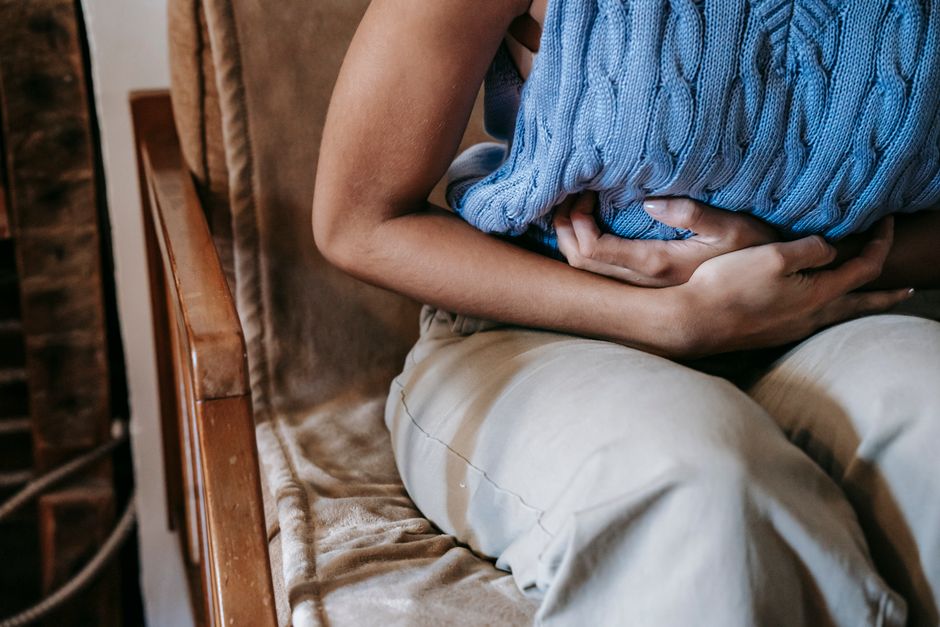
Most stomach cramps ease within a few hours with simple home care. The fastest reliable steps are gentle heat on the belly, small sips of clear fluid, and avoiding food and drink that irritate the gut until things settle. Rest helps too. What you should not do is ignore cramps that are severe, one-sided, or paired with fever, vomiting, or blood — those need medical attention rather than home remedies.
Cramps are a symptom, not a condition. The right home approach depends on what is causing them, which is why some remedies work well for a routine upset stomach and do nothing for, say, gallstones or an infection. Below is what the evidence supports, what is mostly comfort care, and when to stop treating at home.
What Actually Causes Stomach Cramps?
Most stomach cramps come from the muscular wall of the intestine squeezing harder or more often than usual. The gut moves in waves called peristalsis, and when that movement becomes forceful or irregular, you feel it as cramping, gripping pain that tends to come and go.
The common triggers are well established:
- Gas and bloating — trapped gas stretches the bowel wall, which is sensitive to pressure.
- Constipation — hard stool and a backed-up colon cause cramping as the gut works harder to move contents along.
- Viral gastroenteritis — the “stomach bug,” which causes cramping along with diarrhea or vomiting and usually resolves on its own within a few days.
- Food intolerance — lactose in dairy and certain fermentable carbohydrates are common culprits.
- Menstrual cramps — prostaglandins cause the uterus to contract, and the same chemicals can affect the bowel, which is why period cramps often come with loose stools.
- Indigestion or reflux — less often cramping and more often burning, but people describe upper abdominal discomfort loosely.
Less common but important causes include irritable bowel syndrome, food poisoning, gallbladder problems, ulcers, and inflammatory bowel disease. These tend to produce recurring or persistent symptoms rather than a one-off episode.
How To Soothe Stomach Cramps Fast At Home
Heat is the single most reliable home measure for cramping pain. A warm compress, hot water bottle, or warm bath relaxes the abdominal muscles and eases the discomfort of gut spasms. This is well established for menstrual cramps and widely used for general abdominal cramping, though it does not treat an underlying cause.
Other steps that genuinely help:
- Sip clear fluids slowly. Small, frequent sips of water or an oral rehydration solution help if cramping comes with diarrhea or vomiting. Large gulps can worsen nausea.
- Rest. Lying down reduces the load on a irritated gut and often eases the intensity of cramps.
- Gentle movement for gas. A slow walk or lying on your side can help trapped gas pass. Vigorous exercise usually makes cramping worse.
- Peppermint. Peppermint oil has some evidence for easing gut spasm and bloating, and peppermint tea is a reasonable comfort measure. It is not a treatment for infection or serious disease.
- Ease constipation if that is the cause. Fiber, fluids, and — if needed — an over-the-counter laxative can relieve cramping driven by backed-up stool. Check with a pharmacist about which product suits you.
What does not have strong evidence: most herbal “stomach soothers,” carbonated drinks, and many supplements marketed for digestive comfort. Some people find them helpful; the clinical evidence is limited.
What Should You Eat or Avoid During Stomach Cramps?
When cramps come with nausea or diarrhea, give your gut a rest. Skip solid food for a few hours if you feel queasy, then reintroduce bland food as your appetite returns. The old advice to stick to the BRAT diet — bananas, rice, applesauce, toast — is reasonable for short-term comfort, though modern guidance generally favors resuming normal eating sooner rather than later once you feel able.
Foods that tend to sit gently:
- Plain rice, crackers, toast, and pasta
- Bananas and applesauce
- Clear broth and plain cooked vegetables
- Lean protein such as chicken or eggs once appetite returns
Foods and drinks that commonly make cramping worse:
- Dairy, if lactose is a trigger for you
- Fatty, fried, or very spicy food
- Caffeine and alcohol
- Carbonated drinks and sugar alcohols (found in some sugar-free products), which can cause gas and bloating
- Large, heavy meals — smaller portions are easier on the gut
If you notice a pattern where specific foods reliably trigger cramps, that is worth tracking and discussing with a doctor. It may point to a food intolerance rather than a passing upset.
When Are Stomach Cramps a Sign of Something Serious?
Most cramps are harmless. Some are not, and the difference matters. Seek medical care promptly if you have any of the following:
- Pain that is severe, constant, or getting worse rather than easing
- Pain concentrated in one spot, especially the lower right abdomen (a possible sign of appendicitis)
- Fever, especially with abdominal pain
- Blood in your stool or vomit, or black, tarry stools
- Persistent vomiting that prevents you from keeping fluids down
- A hard, swollen, or tender-to-touch abdomen
- Cramps that last more than a day or two without improvement
- Unexplained weight loss or cramping that wakes you at night
In older adults, new and persistent abdominal pain deserves a lower threshold for evaluation, because serious causes are more common and symptoms can be less dramatic. If you are over 50 and have new, recurring cramps, that is a reason to see a doctor rather than wait it out.
Do Over-the-Counter Medicines Help Stomach Cramps?
Some do, and the choice depends on the cause. This is general information, not a recommendation — a pharmacist or doctor can advise on what fits your situation.
Antispasmodics such as those containing peppermint oil or certain prescription options can relax gut muscle and are used for cramping related to irritable bowel syndrome. Evidence supports some benefit, though results vary by product.
Pain relievers like acetaminophen ease general discomfort. Nonsteroidal anti-inflammatory drugs (NSAIDs) such as ibuprofen reduce the prostaglandins behind menstrual cramps and can help there, but they can irritate the stomach lining and are not ideal if you have an ulcer or gastritis.
Anti-diarrheal medicines can slow the gut, but they should not be used if you have a fever or bloody diarrhea, as they can trap an infection. Laxatives help only when constipation is the cause.
What does not help: antibiotics (unless a doctor prescribes them for a confirmed bacterial infection), and most “detox” or “gut cleanse” products, which have no established benefit.
How Long Do Stomach Cramps Usually Last?
It depends entirely on the cause. Cramps from gas or indigestion typically pass within hours. Viral gastroenteritis usually improves within a few days. Menstrual cramps follow the pattern of your cycle. Constipation-related cramping eases once the bowel moves.
The practical rule: cramps that are mild, come and go, and are improving are usually fine to manage at home. Cramps that are worsening, persistent beyond a couple of days, or paired with any of the warning signs above need evaluation. There is no home remedy that fixes a problem it was never designed to treat, and waiting too long on a serious cause is the bigger risk.
Frequently Asked Questions
How can I soothe stomach cramps fast at home?
Apply gentle heat to your belly, sip clear fluids slowly, and rest. These steps ease most routine cramps within a few hours.
What is the fastest way to get rid of stomach cramps?
There is no single fastest method because the cause varies. Heat and rest work well for gas, indigestion, and menstrual cramps, while constipation-related cramping usually eases once the bowel moves.
When should I worry about stomach cramps?
See a doctor if pain is severe, one-sided, or getting worse, or if you have fever, blood in your stool or vomit, or can’t keep fluids down. These signs point to causes that need medical evaluation.
Does drinking water help stomach cramps?
Yes, if cramping comes with diarrhea or vomiting, small frequent sips of water or an oral rehydration solution help replace lost fluid. Water alone does not treat cramping from other causes.
