
Muscle soreness after a workout is a normal part of the recovery process. It usually peaks about 24 to 72 hours after exercise and fades on its own within a few days. You cannot make the damage disappear instantly, but you can reduce the pain and stiffness quickly with a few proven methods. The fastest approach combines light movement, targeted temperature therapy, and gentle massage to improve blood flow and reduce the perception of pain.
What Causes Muscle Soreness After Exercise?
Soreness that appears a day or two after a workout is called delayed onset muscle soreness, or DOMS. It happens after exercise that your muscles are not used to, especially movements that lengthen the muscle while it is under tension. Think of lowering a heavy weight slowly or running downhill.
This type of exercise causes microscopic tears in the muscle fibers. The tears trigger a mild inflammatory response as your body repairs the tissue. That inflammation is what makes the muscle feel tender, swollen, and stiff.
It is important to know that soreness is not the same as an injury. DOMS is a normal response to new or intense exercise. It does not mean you did something wrong. It also does not mean you built more muscle than someone who is not sore.
How To Soothe Sore Muscles Quickly
The fastest way to feel better is to keep the muscles moving gently. Complete rest feels logical, but it actually slows recovery. Light activity increases blood flow to the damaged tissue, which delivers oxygen and nutrients needed for repair.
Try walking, cycling on low resistance, or swimming for 10 to 15 minutes. The goal is to raise your heart rate slightly, not to challenge the muscles again. You should feel warm and loose afterward, not exhausted.
Avoid intense exercise on the same muscle groups while they are sore. Training a sore muscle at full intensity can delay recovery and increase the risk of injury. Wait until the soreness has mostly faded before doing that workout again.
Heat or Ice: Which Works Faster?
Heat is the better choice for muscle soreness that has already set in. Heat therapy widens blood vessels, which increases circulation to the area. This helps relax tight muscles and reduces stiffness. A warm shower, heating pad, or warm bath for 15 to 20 minutes can provide noticeable relief.
Ice is better for acute injuries, like a sudden sprain or strain, within the first 48 hours. It narrows blood vessels and reduces swelling. For general post-workout soreness, ice offers less benefit than heat. Some research suggests that applying ice immediately after exercise may actually slow down the healing process by reducing the inflammatory response your body needs.
Contrast therapy, which alternates between heat and cold, is popular among athletes. The evidence for it is mixed. Some people report feeling better, but studies have not consistently shown that it speeds up recovery. If it feels good to you, it is safe to try. Just finish with heat to keep the muscles relaxed.





Does Massage Actually Help?
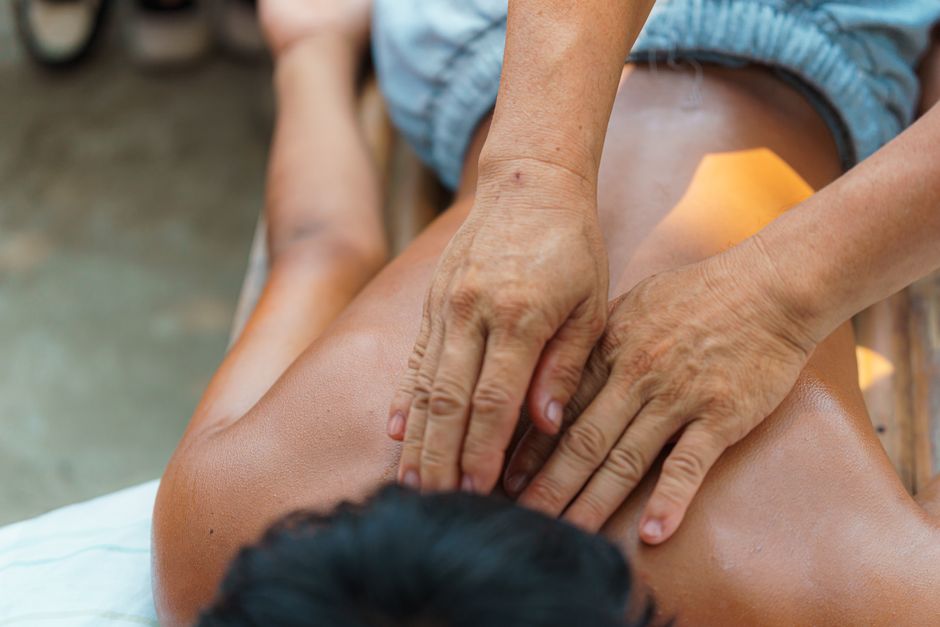
Massage is one of the most effective ways to reduce soreness quickly. Studies have found that massage reduces pain and improves blood flow to the muscles. It also lowers levels of cortisol, a stress hormone, which may help with the overall feeling of recovery.
You do not need a professional therapist for relief. Self-massage with a foam roller or massage ball can work well. Spend 30 to 60 seconds on each sore muscle group. Use your body weight to apply comfortable pressure. Back off if you feel sharp pain — deep aching is normal, but sharp pain is not.
One important note: massage does not remove the muscle damage. It reduces the sensation of pain and improves blood flow, but the repair process still takes time. You will feel better after a massage, but the underlying recovery timeline remains the same.
The Role of Gentle Stretching
Static stretching, where you hold a position for 20 to 30 seconds, feels good on sore muscles but does not speed up recovery. Research has not shown that stretching prevents or cures DOMS. It can temporarily reduce the feeling of tightness, which is a real benefit.
Dynamic stretching, which involves controlled movement through a range of motion, may be more helpful. Leg swings, arm circles, and torso twists warm up the tissue without stressing it. This type of movement prepares the muscles for activity without adding more strain.
If stretching hurts, stop. Sore muscles are already damaged. Pushing a stretch too far can turn mild soreness into a strain. Keep stretches gentle and hold them only as long as they feel comfortable.
Over-the-Counter Options That Work
Nonsteroidal anti-inflammatory drugs, or NSAIDs, like ibuprofen and naproxen, can reduce pain and swelling. They work by blocking the enzymes that produce inflammation. For most healthy adults, taking them for a day or two after intense exercise is safe and effective.
Acetaminophen, found in Tylenol, also reduces pain but does not reduce inflammation. It works on the brain to block pain signals. Both options are reasonable, but you should not take them routinely after every workout. Frequent use of NSAIDs can irritate the stomach lining and affect kidney function over time.
Topical creams containing menthol or capsaicin can provide localized relief. Menthol creates a cooling sensation that distracts from the pain. Capsaicin depletes a chemical involved in transmitting pain signals. These products do not treat the underlying muscle damage, but they can make the muscle feel better for a few hours.
Always follow the dosing instructions on the label. If you have kidney disease, stomach ulcers, or take blood thinners, talk to your doctor before using NSAIDs.
What About Recovery Drinks and Supplements?
Proper nutrition supports recovery, but no supplement will quickly erase soreness. Protein helps rebuild muscle tissue. Carbohydrates replenish energy stores. Eating a balanced meal within a few hours after exercise gives your body the building blocks it needs.
Some research suggests that tart cherry juice may reduce muscle soreness after intense exercise. The evidence is promising but not definitive. The studies have been small, and the effect sizes vary. Drinking it will not hurt, but do not expect dramatic results.
Magnesium supplements are often marketed for muscle recovery. The evidence for magnesium reducing DOMS is weak. Unless you have a confirmed deficiency, which is uncommon, taking extra magnesium is unlikely to make a noticeable difference.
Be cautious with supplements that promise faster recovery. No pill has been shown to speed up the muscle repair process. The most reliable approach is still food, water, and rest.
How To Prevent Soreness in Future Workouts
The best way to reduce soreness is to avoid sudden jumps in exercise intensity. Increase your workout volume gradually. If you are new to strength training, start with lighter weights and higher repetitions. Your muscles adapt to new demands over about two to three weeks.
Stay hydrated before, during, and after exercise. Dehydration does not cause DOMS, but it can make muscle cramps and fatigue worse. Water is usually enough for workouts under an hour. Longer sessions may require an electrolyte drink.
Warming up before exercise is more important than cooling down afterward. A 5 to 10 minute warm-up that includes light cardio and dynamic movements prepares the muscles for work. This reduces the strain on cold tissue and may lower the severity of soreness.
When Soreness Is a Sign of Something Serious
Normal soreness is symmetrical and affects muscles you worked. It fades over a few days. But some symptoms require medical attention.
Seek help if you have severe pain that prevents you from using the muscle, significant swelling, or dark urine. Dark brown or cola-colored urine after intense exercise can be a sign of rhabdomyolysis, a serious condition where muscle tissue breaks down and releases proteins into the bloodstream. This is a medical emergency that requires immediate treatment.
Also see a doctor if the soreness lasts longer than a week, if the pain is sharp rather than dull, or if it is only on one side of the body. These symptoms may indicate a muscle strain or another injury that needs proper evaluation.
Frequently Asked Questions
Frequently Asked Questions
Should I exercise while my muscles are sore?
Light activity like walking or swimming is safe and can help reduce soreness. Avoid intense training on the same muscle groups until the soreness fades.
Does stretching prevent muscle soreness?
No. Research has not found that stretching before or after exercise prevents DOMS. Gentle stretching can temporarily relieve tightness, but it does not change the recovery timeline.
Is it better to use heat or ice for sore muscles?
Heat is better for established muscle soreness because it increases blood flow and relaxes tight tissue. Ice is better for sudden injuries within the first 48 hours to control swelling.
How long does muscle soreness last?
Normal soreness peaks around 24 to 72 hours after exercise and usually resolves within five to seven days. If soreness lasts longer than a week, consult a doctor.
