

Itchy eyes are miserable. You want to rub them, but rubbing makes things worse. The fastest way to stop the itching is to use a lubricating eye drop without preservatives, then follow it with a cold compress. That two-step approach works better than either one alone for most people. Antihistamine drops work well if allergies are the cause, but they are not for daily long-term use. Here is what the evidence actually says about soothing itchy eyes with drops, compresses, and a few other methods.
What Causes Itchy Eyes in the First Place?
Itchy eyes happen when your body releases histamine. Histamine is a chemical your immune system sends out when it thinks something is attacking you. The blood vessels in your eyes widen. Fluid leaks out. Nerves get irritated. That is the itch.
The most common trigger is airborne allergens. Pollen, dust mites, pet dander, and mold are the usual suspects. The American College of Allergy, Asthma, and Immunology reports that seasonal allergies affect more than 50 million people in the United States each year. Eye symptoms are among the most common complaints.
Dry eye is another major cause. When your eyes do not produce enough tears, or the tears evaporate too fast, the surface of your eye becomes irritated. That irritation feels like itchiness. Many people confuse dry eye symptoms with allergies. The treatment is different, so knowing which one you have matters.
Other causes include contact lens irritation, eye infections like conjunctivitis, and environmental factors like smoke or chlorine. If your eyes are also red with discharge or crusting, that points toward infection, not allergies. You should see a doctor for that.
How To Soothe Itchy Eyes Drops Compresses More — The Two-Step Method That Works
Start with preservative-free lubricating eye drops. These are often called artificial tears. They wash allergens and irritants off the surface of your eye. They also add moisture back if dryness is part of the problem. Preservative-free drops come in single-use vials. They cost more than bottled drops, but they are safer for frequent use because preservatives can irritate your eyes over time.
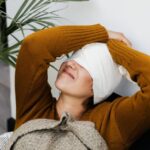
Wait two minutes after the drops. Then apply a cold compress. A clean washcloth soaked in cool water works fine. Wring it out so it is damp, not dripping. Close your eyes and place the cloth over them for five to ten minutes. The cold shrinks blood vessels. That reduces swelling and blocks the itch signal.
Research published in the journal Cornea found that cold compresses significantly reduce eye itching in people with allergic conjunctivitis. The effect starts within minutes. Combining drops with a compress works better than either method alone because the drops address the surface irritation while the compress calms the underlying inflammation.
Do this up to four times a day if needed. If you use drops more often than that, stick with preservative-free vials. Bottled drops with preservatives can damage your cornea with very frequent use.
Antihistamine Eye Drops — When They Help and When They Do Not
Antihistamine eye drops block histamine receptors directly on your eye. They stop the itch at the source. Brands like ketotifen and olopatadine are available over the counter. They work well for allergy-related itching.
But these drops are not for everyone. If your itchy eyes are from dry eye, antihistamine drops can make things worse. They reduce tear production in some people. That is the opposite of what dry eyes need.
Most antihistamine drops are meant for short-term use. Two weeks is a common limit. Using them longer than that without a doctor checking your eyes is not recommended. Some people develop tolerance, meaning the drops stop working as well. Others develop rebound redness when they stop.
One thing many people do not realize: antihistamine pills like loratadine or cetirizine help with sneezing and runny nose, but they are less effective for eye itching than eye drops are. The drops deliver the medication directly where it is needed. Oral antihistamines take longer to work and can dry out your eyes.




What to Avoid When Your Eyes Are Itchy
Rubbing is the number one thing to avoid. It feels good for a second because rubbing stimulates tear production and temporarily distracts your brain from the itch. But rubbing also releases more histamine. That makes the itching worse within minutes. It can also damage your cornea over time.
A study in the journal Ophthalmology found that repeated eye rubbing can lead to a condition called keratoconus, where the cornea thins and bulges forward. This is rare but serious. The takeaway is simple: do not rub your eyes.
Do not use redness-relief drops for itching. Drops like tetrahydrozoline shrink blood vessels to make the white part of your eye look whiter. They do nothing for itching. They also cause rebound redness with regular use. Your eyes look worse when you stop. These drops are designed for occasional use before a photo or meeting, not for daily itch relief.
Avoid sharing towels, washcloths, or eye makeup when your eyes are itchy. If the cause is an infection, these items can spread it to other people or to your other eye. Wash your hands before and after touching your eyes. This is especially important if you wear contact lenses.
Do not use warm compresses for itching. Warm compresses are great for styes and blocked oil glands. They are wrong for itching because heat can increase inflammation and make the itch worse. Cold is what you want.
Comparison of Eye Drop Types for Itchy Eyes
| Drop Type | Best For | Limitations |
|---|---|---|
| Preservative-free artificial tears | Dry eye, mild allergies, general irritation | Washes away allergens but does not block histamine |
| Antihistamine drops (ketotifen, olopatadine) | Moderate to severe allergy itching | Can worsen dry eye; not for long-term daily use |
| Mast cell stabilizers (cromolyn) | Preventing allergy symptoms before they start | Slow onset; not helpful for active itching |
| Redness-relief drops (tetrahydrozoline) | Making eyes look whiter temporarily | Does not treat itching; causes rebound redness |
| Prescription steroid drops | Severe allergic conjunctivitis | Risk of glaucoma and cataracts with long use; doctor only |
Read the label on any eye drop you buy. If the word “preservative” appears in the ingredients, do not use it more than four times a day. If the bottle says “for redness relief,” put it back on the shelf unless you only need whitening for an hour.
Lifestyle Changes That Reduce Itchy Eyes Long Term
If allergies are your problem, reducing your exposure to allergens helps more than any drop. Keep windows closed during pollen season. Run an air purifier with a HEPA filter in your bedroom. Shower before bed to wash pollen out of your hair. Change your pillowcases twice a week.
The CDC recommends checking the daily pollen count in your area. On high-pollen days, stay indoors as much as possible, especially in the morning when pollen levels peak. Wear wraparound sunglasses when you go outside to block pollen from reaching your eyes.
For dry eye, increase the humidity in your home. Dry indoor air makes dry eye worse. A humidifier in your bedroom can help. So can taking breaks from screens. When you stare at a screen, you blink less. Blinking spreads tears across your eye. Less blinking means drier eyes. The 20-20-20 rule helps: every 20 minutes, look at something 20 feet away for 20 seconds.
Omega-3 fatty acid supplements have some evidence for dry eye. A 2018 review in Cornea found that omega-3 supplements improved dry eye symptoms in some people. The effect is modest. It takes weeks to notice. But it is a safe option to try if your itchy eyes are mainly from dryness.
Contact lens wearers should switch to daily disposable lenses during allergy season. Allergens stick to lenses. Daily disposables mean you put in a fresh pair every morning. That alone can cut your symptoms significantly. If your eyes are already itchy, take your lenses out and wear glasses until the itching stops.
Common Misconceptions About Itchy Eye Relief
One widespread claim is that breast milk cures pink eye or itchy eyes. There is no clinical evidence for this. Breast milk contains antibodies, but it also contains bacteria. Putting it in your eye can introduce infection. This is not a safe or effective treatment.
Another myth is that cucumber slices on your eyes do anything special. Cucumbers are cold and wet. A cold wet washcloth does the same thing for free. The benefit comes from the temperature and moisture, not from the vegetable itself.
Some people believe that eye drops expire only after the date on the bottle. That is not true. Most bottled drops are only safe for 28 days after opening. After that, the preservative stops working and bacteria can grow. Preservative-free vials are single-use only. Do not save them for later.
The idea that you can “flush” allergens out of your eyes with water is partially true. Plain water stings and can damage the surface of your eye. Use sterile saline or artificial tears instead. They are formulated to match the pH and salt balance of your tears.
Frequently Asked Questions
Can I use Visine for itchy eyes?
No. Visine and similar redness-relief drops do not treat itching. They only make eyes look whiter temporarily and can cause rebound redness with regular use.
How often can I use eye drops for itchy eyes?
Preservative-free artificial tears can be used as often as needed. Antihistamine drops should not be used more than twice daily for longer than two weeks without a doctor checking your eyes.
Does a cold compress really help itchy eyes?
Yes. Cold compresses reduce inflammation and block the itch signal by shrinking blood vessels. Research confirms they work within minutes for allergy-related itching.
When should I see a doctor for itchy eyes?
See a doctor if you have eye pain, vision changes, thick discharge, or if the itching does not improve after a few days of using artificial tears and cold compresses.
