
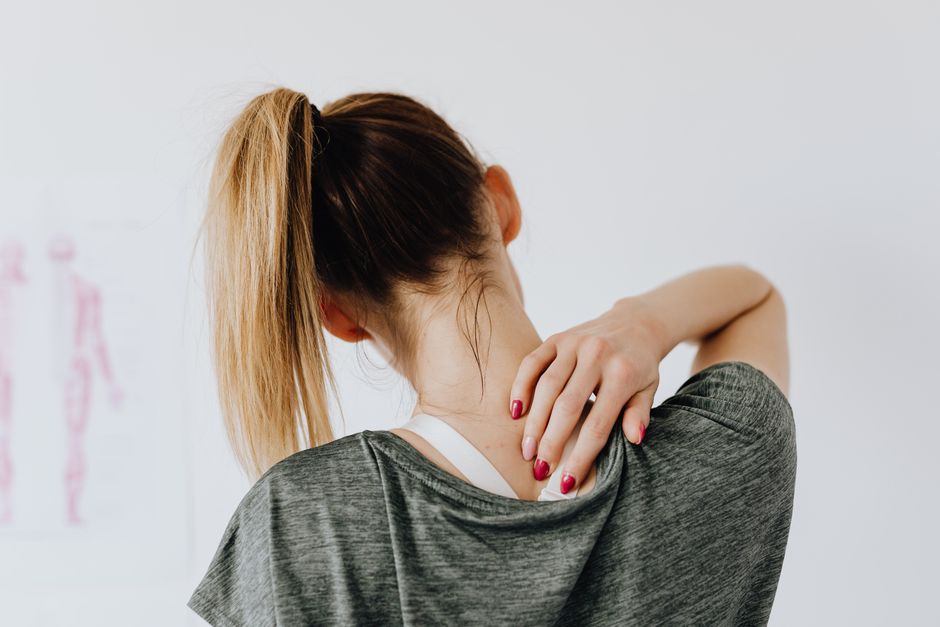
Start with gentle movement, not rest. Many people think lying still is the answer to body aches, but research from the American College of Physicians shows that staying active with low-intensity movement actually reduces pain faster. For most muscle soreness, the first step is to move gently for 5 to 10 minutes. The second step is to apply heat or cold depending on how long the pain has been there. The third step is to check your sleep position and mattress. The fourth step is to hydrate and eat anti-inflammatory foods. The fifth step is to use over-the-counter pain relief only if needed and for no more than 3 days straight.
What Causes Body Aches in the First Place?
Body aches usually come from one of three things. The most common is delayed onset muscle soreness, or DOMS. This happens 24 to 48 hours after you use muscles in a way they are not used to. Think of starting a new workout or shoveling snow. The soreness comes from tiny tears in muscle fibers. That sounds bad, but it is a normal part of getting stronger.
The second cause is viral illness. When you have the flu, COVID-19, or even a bad cold, your immune system releases chemicals called cytokines. These cause inflammation and make your muscles ache. This type of pain usually comes on fast and affects your whole body, not just one area.
The third cause is chronic conditions like fibromyalgia, arthritis, or lupus. According to the CDC, about 1 in 4 US adults has some form of arthritis. The pain from these conditions is different. It does not go away after a few days. It tends to be more steady and often comes with stiffness in the morning.
Knowing which type of ache you have matters. It changes what works best. For DOMS, movement helps. For viral aches, rest and fluids are more important. For chronic pain, you need a longer plan that includes a doctor.
Does Ice or Heat Work Better for Aching Muscles?
This is one of the most debated questions in sports medicine. The short answer is that it depends on timing. For the first 48 hours after an injury or intense workout, ice is better. It reduces blood flow to the area, which limits swelling and numbs sharp pain. A study in the Journal of Athletic Training found that ice applied for 15 to 20 minutes every 2 to 3 hours helped reduce soreness more than doing nothing.
After 48 hours, heat is usually the better choice. Heat increases blood flow. More blood means more oxygen and nutrients reach the sore muscles. This helps with healing. Heat also relaxes tight muscles. A warm bath, heating pad, or warm towel works well. Keep it at a comfortable temperature. Never fall asleep with a heating pad on high.
Some people find that alternating works best. You can try 10 minutes of heat followed by 10 minutes of cold. This is called contrast therapy. Evidence for it is mixed. Some studies suggest it helps with recovery after exercise, while others show no clear benefit over using one method alone. Try it and see what feels right for your body.
One thing to avoid: using ice or heat for longer than 20 minutes at a time. Longer exposure can damage skin or nerves. If the area goes numb or turns red, stop immediately.
How To Soothe Aching Body With Movement and Stretching
Gentle movement is one of the most effective tools for body aches. The key word is gentle. You do not want to push through sharp pain. You want to move just enough to increase blood flow without causing more damage. Walking is a great starting point. Aim for 10 to 15 minutes at a slow pace. If walking hurts, try swimming or using a stationary bike with no resistance.
Stretching helps, but not all stretches are equal. For sore muscles, hold each stretch for 30 seconds. Do not bounce. Bouncing can tear muscle fibers further. Focus on the areas that hurt most. For lower back pain, try a knee-to-chest stretch while lying on your back. For sore legs, a standing quad stretch works well. For neck and shoulder tension, slowly roll your shoulders backward 10 times.
Foam rolling is another option that has good evidence behind it. A 2015 review in the International Journal of Sports Physical Therapy found that foam rolling reduced muscle soreness and improved range of motion after exercise. Roll slowly over the sore area. When you find a tender spot, pause for 30 seconds and breathe deeply. Do not roll over joints or bones. Only roll over muscle tissue.
Yoga is worth mentioning. A 2017 study in the Journal of Pain Research found that people with chronic lower back pain who practiced yoga for 12 weeks had less pain and better function than those who did not. If you are new to yoga, start with a beginner class or a video labeled “gentle” or “restorative.”




What Role Does Hydration and Food Play in Muscle Recovery?
Dehydration is a common cause of muscle cramps and aches. When you do not drink enough water, your muscles cannot flush out waste products like lactic acid. The American Council on Exercise recommends drinking 17 to 20 ounces of water 2 hours before exercise and another 8 ounces every 20 minutes during exercise. For everyday aches, simply drinking water consistently throughout the day helps.
Food matters too. Some foods increase inflammation. Others reduce it. Processed foods, sugary drinks, and fried foods tend to make inflammation worse. Anti-inflammatory foods include berries, leafy greens, fatty fish like salmon, nuts, and olive oil. A 2019 study in Nutrients found that people who ate a diet high in fruits and vegetables reported less muscle soreness after exercise.
Tart cherry juice has become popular for muscle recovery. Research published in the Journal of the International Society of Sports Nutrition found that drinking tart cherry juice for 7 days before and during a marathon reduced muscle soreness in runners. The effect was modest but real. If you want to try it, look for unsweetened juice and drink about 8 ounces twice a day.
What Over-the-Counter Options Actually Help?
Two main types of pain relievers are available without a prescription. Nonsteroidal anti-inflammatory drugs, or NSAIDs, include ibuprofen (Advil, Motrin) and naproxen (Aleve). These reduce inflammation and are good for muscle aches caused by overuse or injury. Acetaminophen (Tylenol) works differently. It blocks pain signals in the brain but does not reduce inflammation. It is better for general body aches from a virus.
The table below compares the two options:
| Type | Examples | Best For | Max Daily Dose |
|---|---|---|---|
| NSAIDs | Ibuprofen, Naproxen | Muscle overuse, injury, arthritis | Ibuprofen: 1200 mg. Naproxen: 660 mg. |
| Acetaminophen | Tylenol | Viral body aches, fever | 3000 mg for most adults |
Topical creams are another option. Products containing menthol, camphor, or capsaicin can provide temporary relief. They work by either cooling or warming the skin, which distracts the brain from deeper muscle pain. A 2020 review in Pain Medicine found that topical NSAIDs like diclofenac gel (Voltaren) worked as well as oral NSAIDs for some types of muscle pain, with fewer stomach side effects.
Do not take pain relievers for more than 3 to 5 days without talking to a doctor. Long-term use of NSAIDs can damage your stomach lining and kidneys. Acetaminophen can harm your liver if you take too much or combine it with alcohol.
When Should You See a Doctor for Body Aches?
Most body aches go away on their own within a few days. But some signs mean you should get medical help. If your body aches come with a fever over 102°F, that could mean a serious infection. If the pain is severe and started suddenly after an injury, you might have a fracture or sprain that needs attention.
Other red flags include pain that does not improve after a week of home care, pain that wakes you up at night, or pain that comes with swelling, redness, or warmth in one specific joint. These could be signs of an infection in the joint or a condition like gout.
If you have a chronic condition like rheumatoid arthritis or lupus and your body aches get worse, call your doctor. You may need a medication adjustment. The same goes if you are taking a new medication and develop body aches. Some drugs, including statins and certain blood pressure medications, can cause muscle pain as a side effect.
For ongoing aches that have no clear cause, a primary care doctor can run basic blood tests. These can check for inflammation markers, thyroid problems, and vitamin deficiencies. Low vitamin D is a surprisingly common cause of muscle aches. According to the National Institutes of Health, about 35% of US adults have low vitamin D levels.
Common Misconceptions About Sore Muscles
One of the biggest myths is that soreness means you had a good workout. That is not always true. Soreness just means your muscles are not used to what you did. You can get stronger without ever feeling sore. Chasing soreness as a sign of success often leads to overtraining and injury.
Another myth is that stretching before exercise prevents soreness. Research shows that static stretching before a workout does not prevent muscle soreness. It may even increase injury risk if you stretch cold muscles. Instead, warm up with light movement like walking or jumping jacks for 5 minutes. Save stretching for after your workout or on rest days.
Some people believe that taking ibuprofen before a workout prevents soreness. This is not a good idea. Taking NSAIDs before exercise can mask pain and lead to pushing too hard. It also interferes with the natural inflammation process that helps muscles adapt and grow stronger. A 2017 study in the American Journal of Physiology found that taking ibuprofen before exercise actually slowed down muscle repair.
Finally, “no pain, no gain” is outdated advice. Pain is a signal from your body that something is wrong. Sharp pain, stabbing pain, or pain that makes you limp should never be pushed through. Learn the difference between discomfort from effort and pain from injury.
Frequently Asked Questions
How long should I ice a sore muscle?
Ice for 15 to 20 minutes at a time, then remove it for at least 2 hours before icing again. Never apply ice directly to bare skin.
Can I exercise with body aches?
Light exercise like walking or gentle stretching is fine if the pain is mild. Stop if the pain increases or feels sharp.
What is the best sleeping position for body aches?
Sleeping on your back with a pillow under your knees reduces lower back strain. Side sleepers should put a pillow between their knees.
Does magnesium help with muscle aches?
Some studies suggest magnesium can help with muscle cramps, but strong evidence for general muscle aches is limited. Food sources like nuts and leafy greens are safer than supplements.
