
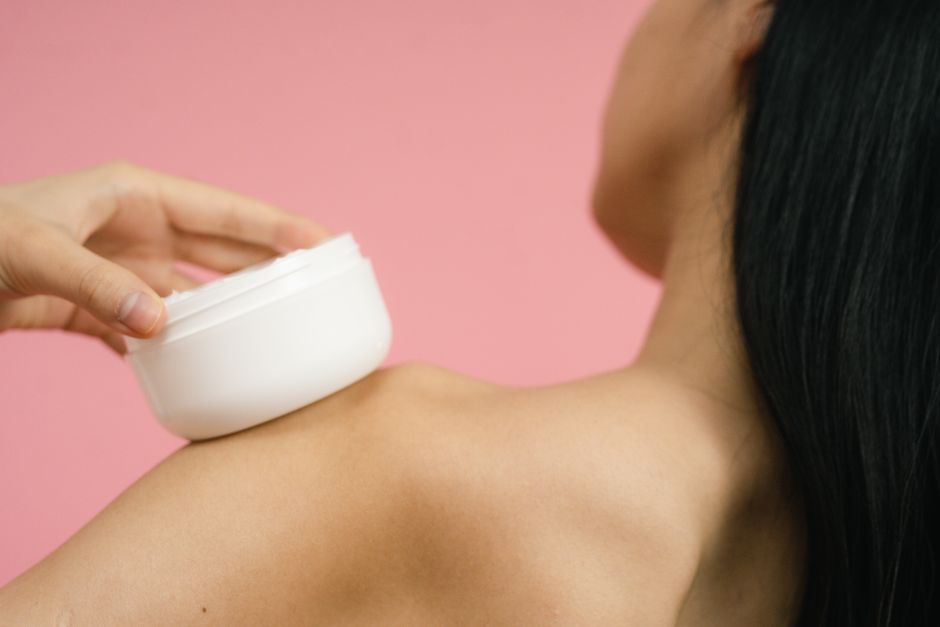
Dry skin is more than a cosmetic annoyance. It can feel tight, itchy, and rough, and when it gets bad enough, it can crack and hurt. The good news is that most dry skin improves with consistent changes to your routine. The solution is not one miracle product. It is a combination of smarter bathing habits, the right moisturizer applied at the right time, and removing things from your environment that strip your skin’s natural oils. For lasting relief, you need to repair your skin barrier and keep it intact.
Why Does Skin Become Dry in the First Place?
Your skin has a protective outer layer called the stratum corneum. Think of it as a brick wall. The skin cells are the bricks, and the natural oils and fats between them are the mortar. This barrier keeps water inside your body and keeps irritants out.
When that barrier weakens, water escapes. This is called transepidermal water loss. The skin loses moisture faster than it can replace it, and the barrier becomes even more damaged. This creates a cycle: dry skin leads to a weaker barrier, and a weaker barrier leads to drier skin.
Several everyday factors break down this barrier. Hot showers strip oils quickly. Harsh soaps and detergents remove the fats that hold the barrier together. Low humidity, especially in winter or in air-conditioned rooms, pulls moisture from the skin. Aging also plays a role because oil production naturally decreases over time.
Certain medical conditions cause dry skin too. Eczema, psoriasis, and thyroid disorders all affect skin moisture. If your skin is severely dry despite good care, a doctor can check for these underlying causes.
What Is the Correct Way to Moisturize?
Most people apply moisturizer incorrectly. They put it on dry skin and expect it to work. Moisturizers do not add water to your skin. They trap water that is already there. If your skin has no water on its surface, the moisturizer has nothing to lock in.
The best time to apply moisturizer is within three minutes after bathing. After you step out of the shower or bath, gently pat your skin with a towel. Do not rub. Your skin should still feel slightly damp. Then apply your moisturizer. This traps the water on your skin before it evaporates.
For very dry areas like hands, elbows, and feet, reapply moisturizer throughout the day. Washing your hands removes moisture and oils, so each wash should be followed by a moisturizer. Keep a tube at your desk or in your bag. Consistency matters more than the specific product you choose.
At night, a slightly thicker layer can help. This gives the product more time to work while you sleep. Some people find that wearing cotton gloves or socks over a thick layer of moisturizer on hands or feet boosts absorption, but this is optional.
Which Ingredients Actually Work for Dry Skin?
Not all moisturizers are equal. The ingredient list tells you what the product can do. Moisturizers generally contain three types of ingredients: humectants, emollients, and occlusives.
Humectants draw water into the outer skin layer. Common ones include glycerin, hyaluronic acid, and urea. These are helpful but can make skin drier in very dry climates if not paired with an occlusive, because they pull moisture from wherever they can find it.
Emollients smooth the skin by filling in gaps between skin cells. These are often plant oils, squalane, or fatty acids. They make the skin feel softer and look smoother.
Occlusives form a physical layer on top of the skin to slow water loss. Petrolatum, mineral oil, and dimethicone are common examples. Petrolatum is the most effective and the best studied. Some research shows it reduces water loss by over 98 percent.
For dry skin, look for a product that combines all three types. A simple formula with glycerin, a fatty ingredient like shea butter or squalane, and petrolatum or dimethicone is a solid choice. Fragrance-free versions are better because fragrance can irritate already sensitive skin.
Products labeled “for sensitive skin” or “dermatologist tested” are not automatically better. Check the ingredient list yourself. The fewer ingredients, the fewer potential irritants.





How Should You Bathe to Prevent Dry Skin?
Your shower habits directly affect your skin barrier. Hot water dissolves the natural oils on your skin faster than warm or cool water. This is one of the most common causes of persistent dryness.
Take a short shower or bath with lukewarm water. Keep it under 10 minutes. Longer exposure to water, especially hot water, strips more oil from your skin. A bath can feel relaxing, but for dry skin, a quick shower is gentler.
Choose your cleanser carefully. Standard bar soaps have a high pH, which disrupts the skin’s natural acidic balance. This weakens the barrier. Look for a gentle, fragrance-free cleanser labeled “soap-free” or “syndet.” These are formulated to clean without stripping oils.
Apply cleanser only where needed: armpits, groin, face, and feet. The rest of your body only needs water. Rubbing soap over your entire body every day removes more oil than necessary.
After showering, pat dry and apply moisturizer within three minutes. This window is critical. Waiting longer means more water evaporates from your skin, and the moisturizer has less to work with.
What Lifestyle Changes Reduce Dry Skin?
Your environment plays a large role in skin moisture. Indoor heating and air conditioning both lower humidity. When the air is dry, it pulls moisture from your skin. A humidifier in your bedroom can help, especially during winter months. Keeping indoor humidity around 30 to 50 percent is reasonable for skin health.
What you drink matters less than you might think. Drinking more water does not directly fix dry skin. Your body distributes water to vital organs first. The skin gets water last. Severe dehydration can make skin dry, but for most people, normal hydration is enough. Focus on your skin barrier rather than increasing water intake.
Your diet can influence skin health, but evidence is limited. Some studies suggest that essential fatty acids, like omega-3s found in fish, may help skin barrier function. The evidence is not strong enough to recommend supplements for dry skin specifically. A balanced diet is a reasonable foundation, but do not expect dietary changes alone to resolve dry skin.
Wear gloves when washing dishes or using cleaning products. Household cleaners contain chemicals that strip skin oils. Cotton gloves under rubber gloves work best for prolonged wet work.
Choose clothing made from soft, breathable fabrics. Wool and rough synthetics can irritate dry skin. Cotton and silk are gentler. Wash new clothes before wearing them to remove residues from manufacturing.
When Should You See a Doctor About Dry Skin?
Most dry skin responds to home care within a few weeks. If your skin does not improve with consistent moisturizing and bathing changes, see a doctor. Persistent dryness can signal an underlying condition.
See a doctor if you notice any of these signs:
- Severe itching that disrupts sleep
- Skin that cracks and bleeds
- Signs of infection like oozing, yellow crusting, or warmth
- Dry skin that covers large areas of your body
- No improvement after two weeks of consistent moisturizing
A doctor can prescribe stronger treatments. Prescription-strength moisturizers, topical corticosteroids, or other medications may be needed if over-the-counter options are not working. Some skin conditions, like eczema or psoriasis, require specific treatment plans that go beyond general moisturizing.
How To Solve Dry Skin For Lasting Relief?
Lasting relief comes from breaking the cycle of barrier damage and moisture loss. The process is simple but requires daily consistency.
Start with your bathing routine. Use lukewarm water, keep showers short, and use a gentle cleanser only where needed. After patting dry, apply a fragrance-free moisturizer with humectants, emollients, and occlusives within three minutes. Reapply to hands after washing and to other dry areas as needed throughout the day.
Adjust your environment. Use a humidifier in dry climates or during winter. Wear protective gloves for wet work. Choose soft fabrics that do not irritate your skin.
Be patient. Skin barrier repair takes time. You may notice improvement within a few days, but full barrier recovery can take several weeks. If you do not see improvement after two weeks of consistent care, see a doctor to rule out underlying conditions.
The key is consistency. A single night of thorough moisturizing will not fix months of dryness. A daily routine, repeated without skipping, is what produces lasting results.
Frequently Asked Questions
How often should I moisturize dry skin?
Moisturize at least twice daily, and always within three minutes after bathing or washing your hands. Dry areas may need more frequent application throughout the day.
Is it better to use a cream or a lotion for dry skin?
Creams are generally better for dry skin because they contain more oil and less water than lotions. Ointments like petrolatum are even more effective for very dry areas.
Can drinking more water cure dry skin?
No. Drinking extra water does not directly fix dry skin because your body prioritizes water for vital organs over the skin. Moisturizing the skin barrier is the effective approach.
Does hot water make dry skin worse?
Yes. Hot water strips natural oils from your skin faster than lukewarm water. Use lukewarm water and keep showers under 10 minutes to preserve your skin barrier.
