
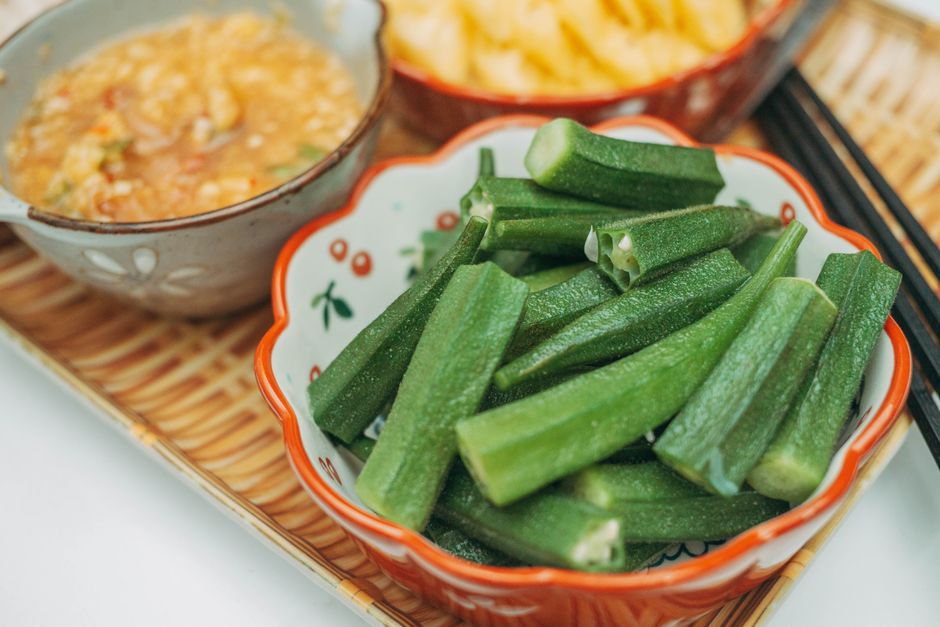
Okra is one of those vegetables that either grows beautifully or fails in ways that leave gardeners puzzled. The most common problems — slimy texture, yellowing leaves, poor pod production, and wilting — usually trace back to a handful of fixable causes: inconsistent watering, harvesting pods too late, cool soil at planting time, or nutrient imbalance. Solve those and most okra issues resolve themselves within a week or two.
Okra (Abelmoschus esculentus) is a warm-season crop native to Africa. It needs heat, sun, and steady moisture to perform. When any of those slip, the plant tells you through its leaves and pods. Learning to read those signals is most of the battle.
Why Is My Okra Slimy When I Cook It?
The slime is a natural plant compound called mucilage, and it forms whenever okra pods are cut and heated. This is not a defect. It is the same substance that thickens gumbo and gives okra its characteristic body in soups.
Mucilage is a polysaccharide — a complex carbohydrate — that binds water. When pod cell walls break down during cooking, mucilage releases and turns slippery. Younger pods contain less of it than older ones. Smaller pods generally produce less slime than large, mature ones.
Several cooking methods reduce sliminess in practice, though how much they help varies by pod and recipe:
- Keep pods whole when possible. Cutting exposes more surface area and releases more mucilage.
- Dry the pods thoroughly before cooking. Surface water adds to the slippery effect.
- Cook at high heat and avoid stirring too much. Stirring encourages mucilage to spread.
- Add acid — tomatoes, lemon juice, or vinegar — which some cooks find reduces the texture, though the effect is not consistent across all dishes.
- Use pods promptly after harvest. Older pods are stringier and slimier.
One clarification worth knowing: the slime is not a sign of spoilage or poor quality. It is a normal part of the vegetable. If you dislike it, choose small pods and cook them whole at high heat. If you are making gumbo, the mucilage is doing exactly what you want.
How To Solve Common Okra Problems With Yellow Leaves and Poor Growth
Yellowing leaves on okra usually point to one of three things: too much water, too little nitrogen, or cool temperatures. The pattern of yellowing helps narrow it down.
Yellowing that starts on older, lower leaves and moves upward often signals nitrogen deficiency. Okra is a heavy feeder during pod production. If the plant is setting fruit and lower leaves turn pale, it may simply be running short on nutrients. A balanced fertilizer applied according to package directions can help, though over-fertilizing with nitrogen produces leafy plants with few pods.
Yellowing that affects newer growth first, or comes with wilting and soggy soil, more often points to overwatering or poor drainage. Okra tolerates short dry spells better than it tolerates wet feet. Roots deprived of oxygen cannot take up nutrients, and the plant yellows as a result.
Cool weather is another culprit. Okra is a tropical plant and grows poorly below roughly 60°F (about 15°C). Seedlings planted into cold soil often sit stunted and yellow for weeks. Waiting until soil has warmed reliably — typically a few weeks after the last expected frost in most US growing regions — prevents this.
Why Is My Okra Not Producing Pods?
Okra that flowers but sets few or no pods is usually dealing with one of four issues: too much shade, too much nitrogen, poor pollination, or temperatures outside its comfortable range.
Okra needs full sun — at least six hours of direct light daily, and more is better. Plants in partial shade grow tall and leafy but flower sparsely.
Excess nitrogen is a common and underappreciated cause. Nitrogen pushes vegetative growth. A plant fed heavily with nitrogen-rich fertilizer or grown in soil amended with fresh manure may produce enormous leaves and few flowers. Phosphorus and potassium support flowering and fruiting, so a balanced fertilizer is generally more useful than a high-nitrogen one.
Pollination matters too. Okra flowers are self-pollinating but benefit from insect activity. Heavy rain or prolonged heat can reduce pollinator movement, and flowers that open and close within a day may miss pollination entirely.
Temperature extremes also interfere. Okra sets fruit best in warm conditions. Extended heat above roughly 95°F (35°C) can cause flowers to drop without setting pods, and cool nights slow development.
When Should You Harvest Okra Pods?
Harvest okra pods while they are small and tender — typically when they are about 2 to 4 inches long, depending on variety. Pods left on the plant past this stage become tough, stringy, and woody.
This is the single most common reason gardeners end up with disappointing okra. The plant produces pods quickly in hot weather. A pod that is tender one morning can be too tough two days later. Checking every day or two during peak season is standard practice among experienced growers.
Frequent harvesting also keeps the plant producing. Okra sets pods along an upward-growing central stem, and leaving mature pods on the plant signals it to slow new flower production. Regular picking encourages continued flowering.
Use scissors or pruners rather than pulling. The stems are tough and yanking can damage the plant. Wear gloves or long sleeves — some okra varieties have tiny spines that irritate skin.
Why Is My Okra Wilting?
Wilting okra can mean very different things depending on timing. Plants that wilt in the heat of midday and recover by evening are usually just managing water loss. Plants that stay wilted all day, or wilt while soil is moist, have a deeper problem.
Wilting with dry soil points to underwatering. Okra is drought-tolerant once established, but it still needs consistent moisture to set and fill pods. A deep watering once or twice a week is generally more effective than light daily sprinkling, because it encourages deeper roots.
Wilting with wet soil is more concerning. It can indicate root rot from poorly drained ground, or a soilborne disease. Okra is susceptible to several root and stem diseases, including Fusarium and Verticillium wilts, which block the plant’s water-conducting tissue. These diseases cause wilting that does not improve with watering and often progress to plant death. Once a plant is infected with a vascular wilt, there is no cure — removal and crop rotation are the practical responses.
Distinguishing between the two matters. If the soil is moist and the plant still wilts, do not add more water. Check drainage and look for yellowing or browning along the stem near the soil line.
What Pests and Diseases Affect Okra?
Okra is relatively pest-resistant compared to many garden vegetables, but a few problems recur. Aphids cluster on new growth and undersides of leaves. Whiteflies and flea beetles can also appear. Stink bugs and corn earworms sometimes damage pods directly.
Most of these are manageable with regular inspection and simple steps — a strong blast of water for aphids, hand removal of visible insects, and keeping plants well-spaced for airflow. Insecticidal soap can help with soft-bodied pests when applied according to label directions.
On the disease side, root rots and vascular wilts are the most serious. They are difficult to treat once established. Prevention centers on well-drained soil, avoiding overhead watering late in the day, and rotating crops so okra is not planted in the same spot year after year.
One practical note: okra grown in containers needs more attention to watering and drainage than okra in the ground. Container soil dries faster and heats up more, which can stress roots. Use a container with drainage holes and a potting mix that drains well.
Does Soil pH Matter for Okra?
Yes. Okra grows best in soil with a pH between roughly 6.0 and 6.8. This range keeps key nutrients available to the plant.
Soil that is too acidic can limit nutrient uptake even when nutrients are present. A basic soil test — available through most state university extension services — tells you your pH and what adjustments, if any, are needed. This is more reliable than guessing based on plant appearance.
Okra is not especially fussy about soil type as long as it drains. Heavy clay that holds water is the bigger concern than pH in many gardens.
Frequently Asked Questions
Why is my okra slimy?
Okra contains mucilage, a natural plant compound that becomes slippery when pods are cut and heated. It is normal and not a sign of poor quality.
How often should you pick okra?
Check plants every one to two days during peak season and harvest pods when they are about 2 to 4 inches long. Daily picking is common in hot weather because pods toughen quickly.
Why are my okra leaves turning yellow?
Yellow leaves most often mean overwatering, low nitrogen, or cool temperatures. Look at whether older or newer leaves yellow first to narrow down the cause.
Does okra need full sun?
Yes, okra needs at least six hours of direct sunlight daily and produces best with more. Plants in shade grow tall but flower poorly.
