
To soften stool, start by drinking more water throughout the day. Then gradually add fiber from fruits, vegetables, and whole grains. Include gentle movement like walking. If needed, use a stool softener or a mild laxative only after trying diet changes first. These steps work best when done consistently for several days.
What causes hard stool in the first place?
Stool becomes hard when the colon absorbs too much water from it before it moves out. This happens most often when you do not drink enough fluids or when your diet lacks fiber. Slow transit time also lets more water get pulled out. Certain medications, low activity, and ignoring the urge to go can all make stool harder. Sometimes underlying conditions like irritable bowel syndrome or thyroid problems play a role, but diet and hydration are the most common causes.
How does drinking more water help soften stool?
Water is the main ingredient that keeps stool soft and easy to pass. When you are dehydrated, the colon works harder to absorb water from waste material, leaving it dry and hard. Drinking enough fluid each day helps maintain the right moisture balance in the gut. Plain water is best. Herbal teas and clear broths also count. Sugary drinks, alcohol, and excessive caffeine can actually pull water out of the colon and make things worse. Aim for enough fluid so your urine is light yellow. For most adults, that means roughly eight glasses daily, but needs vary by body size and activity level.
What kind of fiber works best for softening stool?
Two types of fiber exist: soluble and insoluble. Both matter, but soluble fiber does the heavy lifting for softening stool. It dissolves in water and forms a gel that traps moisture, keeping stool bulky and soft. Good sources include oats, barley, apples, oranges, carrots, beans, and psyllium husk. Insoluble fiber adds bulk and helps move things along but does not hold water as well. It comes from wheat bran, nuts, and vegetables like cauliflower. For best results, include both types. The USDA recommends 25 grams of total fiber per day for women and 38 grams for men. Most people eat far less than that. Increase fiber slowly over a week or two to avoid gas and bloating.




Which foods specifically help soften stool?
Several foods have a natural laxative effect or high water content that directly softens stool. Prunes and prune juice are well known for a reason. They contain sorbitol, a sugar alcohol that pulls water into the colon. Pears, apples, and kiwi also work well. Leafy greens like spinach and kale provide magnesium, which helps relax intestinal muscles. Chia seeds and flaxseeds absorb many times their weight in water and form a gel. Adding one or two tablespoons to yogurt or oatmeal can make a noticeable difference. Legumes like lentils and chickpeas supply both fiber and resistant starch, which feed good gut bacteria and improve stool consistency over time.
How to soften poop with daily habits and simple remedies
Step 1: Increase water – Drink a full glass with each meal and another between meals.
Step 2: Add fiber slowly – Start with an extra serving of fruit or vegetables per day. Then add a high‑fiber cereal or a tablespoon of psyllium.
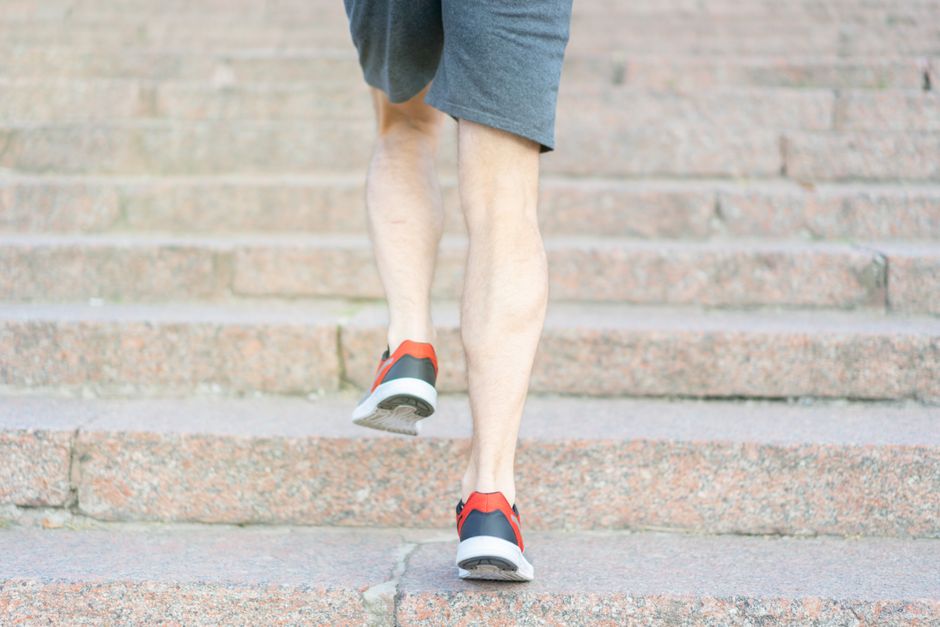
Step 3: Move your body – A 20‑minute walk after meals helps stimulate the colon. Even light exercise improves transit time.
Step 4: Try warm liquids – A cup of warm water or herbal tea in the morning can trigger a bowel movement. Coffee works for some, but it can also dehydrate if you drink too much.
Step 5: Use a stool softener only if needed – Docusate sodium (brand name Colace) is a common over‑the‑counter option. It helps water mix into stool. Follow the package directions. Do not use regularly without a doctor’s advice.
Most people see improvement within two to three days of making these changes consistently.
When should you consider using a laxative or stool softener?
If diet and fluid changes do not work after a week, you may choose an over‑the‑counter option. Stool softeners like docusate are the mildest and are meant for short‑term use only. Bulk‑forming laxatives like psyllium (Metamucil) are actually fiber and are safer for longer use. Osmotic laxatives like polyethylene glycol (Miralax) pull water into the colon and work within 24 to 48 hours. Stimulant laxatives like senna or bisacodyl are stronger and should be used sparingly. They can cause cramping and dependence if used too often. No laxative should be used for more than a week without medical supervision. If constipation is chronic, a doctor should evaluate for underlying causes.
Can exercise really help soften stool?
Yes, but not by directly softening stool. Exercise shortens the time waste stays in the colon, which means less water gets removed. Even moderate activity like brisk walking for 20 to 30 minutes daily can improve bowel regularity. People who are sedentary are more likely to have slow transit and harder stool. Yoga poses that involve twisting or compressing the abdomen may also stimulate movement. The effect is not dramatic, but combined with water and fiber, exercise is a useful part of the plan.
How long does it take to soften stool with these methods?
If you are mildly dehydrated or low on fiber, you may see softer stool within 24 hours of increasing fluids. Adding fiber usually takes two to three days to show results because the gut bacteria need time to adjust. For chronic constipation, it may take a week or more of consistent changes. If you are also using a stool softener or osmotic laxative, expect improvement within one to three days. Stool that has been impacted or very hard for more than a week may need medical treatment and will not soften with home measures alone.
When is it time to see a doctor?
Occasional hard stool is normal. But see a doctor if: you have not had a bowel movement for more than three days, you have severe pain or bloating, you see blood in your stool, or you have unintentional weight loss. Also see a doctor if you have been using laxatives for more than two weeks on your own. Chronic constipation can signal other conditions like hypothyroidism, diabetes, or a blockage. A doctor can run simple tests and recommend a plan that is safe for your specific situation.
Frequently Asked Questions
What drinks help soften stool the fastest?
Warm water or prune juice often works within a few hours. Coffee can stimulate the colon, but it may not soften stool directly.
Can too much fiber make stool harder?
Yes, if you increase fiber without drinking enough water. Fiber needs water to swell and soften; without it, fiber can actually bulk up and block things.
Are stool softeners safe to take every day?
No. Stool softeners like docusate are meant for short‑term relief only. Long‑term daily use is not recommended without a doctor’s guidance.
Does exercise alone fix hard stool?
Exercise helps by moving stool through the colon faster, but it rarely fixes hard stool without also drinking more water and eating more fiber.
