
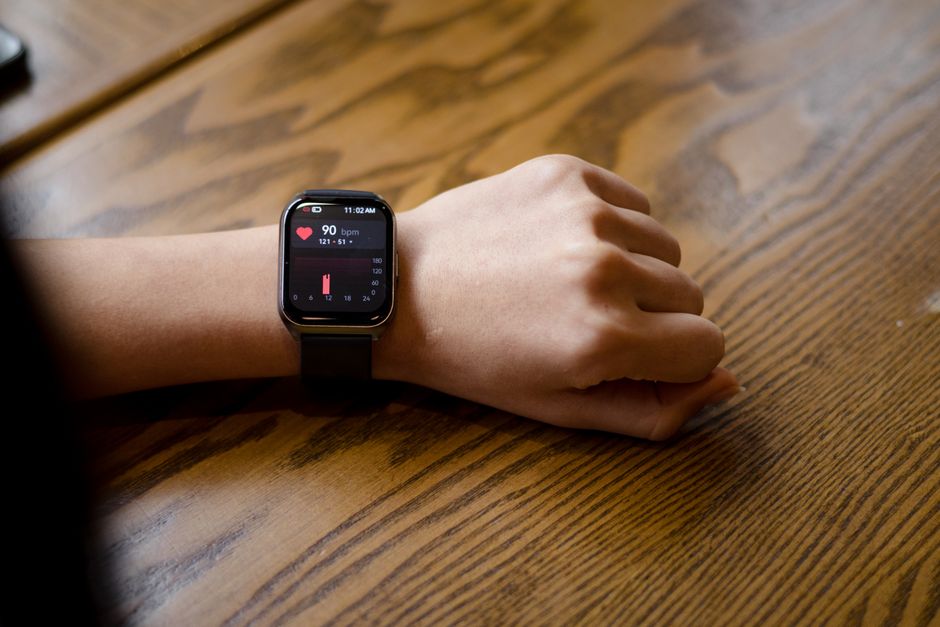
Anxiety can make your heart feel like it is pounding out of your chest. That racing feeling is your body’s natural alarm system, but it can be deeply uncomfortable and frightening. You can slow your heart rate during an anxiety spike using specific breathing techniques and grounding methods that work with your nervous system, not against it.
Why Does Anxiety Make Your Heart Race?
Your body has an automatic stress response. When your brain senses danger, it signals your adrenal glands to release hormones like adrenaline and cortisol. These hormones speed up your heart rate so your muscles get more blood and oxygen, preparing you to fight or flee.
This response is useful when you face a real threat. The problem is that your brain can trigger it for non-physical stresses too, like public speaking, a difficult conversation, or even just worrying about things that have not happened yet. Your body cannot tell the difference between a real physical threat and a stressful thought.
Your heart rate is also controlled by two branches of your autonomic nervous system. The sympathetic branch speeds things up. The parasympathetic branch slows things down. Anxiety keeps the sympathetic branch in charge. The goal of calming techniques is to activate the parasympathetic branch, sometimes called the “rest and digest” system.
How to Slow Heart Rate Anxiety with Breathing
Your breath is the most direct tool you have to influence your heart rate. When you breathe out, your heart rate naturally slows for a moment. This is called respiratory sinus arrhythmia, and it is a normal, healthy process. Prolonging your exhale takes advantage of this built-in mechanism.
Try this simple pattern. Breathe in through your nose for a count of four. Hold for a count of four. Breathe out slowly through your mouth for a count of six or eight. The key is making your exhale longer than your inhale. This activates the vagus nerve, which tells your heart to slow down.
Practice this for two to three minutes. You do not need to do it perfectly. If counting feels stressful, just focus on making your out-breath longer than your in-breath. This technique is well established and is a core part of many anxiety management programs.
Another option is the 4-7-8 breath. Breathe in for four counts, hold for seven, and exhale for eight. Some people find this harder to remember. If that pattern feels too complicated, stick with the simple extended exhale. Consistency matters more than the exact count.
Grounding Techniques That Calm a Racing Heart
Grounding techniques pull your attention away from internal sensations and toward the external world. When you focus on what you can see, hear, and feel around you, your brain gets a signal that you are not in immediate danger. This helps reduce the adrenaline surge.
One common method is the 5-4-3-2-1 technique. Name five things you can see. Name four things you can touch. Name three things you can hear. Name two things you can smell. Name one thing you can taste. This exercise forces your brain to process sensory information instead of anxious thoughts.
Physical grounding can also help. Press your feet firmly into the floor. Hold a cold object, like a water bottle or an ice cube. Notice the temperature and texture. These sensations give your nervous system something concrete to focus on, which can help interrupt the anxiety cycle.
These techniques do not eliminate anxiety instantly. They reduce the intensity of the moment, which gives your heart rate a chance to come down. Think of them as a bridge. They get you from a peak of panic to a place where you can think more clearly.





Physical Movement to Reduce a Fast Heartbeat
Gentle movement can help burn off excess adrenaline. When anxiety floods your body with stress hormones, those hormones need somewhere to go. Light activity can help your body process them more quickly.
Walking is a good option. A slow walk around your block or even around your room can help. The rhythm of your footsteps can be calming. You do not need to exercise vigorously. Intense exercise can actually raise your heart rate further, which is not what you want during an acute anxiety spike.
Stretching is another useful approach. Focus on areas where you hold tension, like your neck, shoulders, and jaw. Slow stretches combined with deep breathing can help your muscles relax. When your muscles relax, your body receives signals that the threat has passed.
Progressive muscle relaxation is a structured version of this. Tense a muscle group for five seconds, then release. Work from your toes up to your face. This technique is commonly used in anxiety treatment and has research support for reducing physical tension.
Cold Water and Other Quick Physical Responses
Splashing cold water on your face can trigger what is called the dive reflex. This is a natural physiological response that slows your heart rate. It happens when cold water touches your face, particularly around your eyes and forehead.
This reflex is thought to be an evolutionary survival mechanism. It helps conserve oxygen when you are underwater. You can use it to your advantage during a panic episode. Fill a sink with cold water and briefly submerge your face, or press a cold pack to your cheeks and forehead.
Some people find that holding an ice cube in their hand works well. The intense cold sensation gives your brain something strong to focus on. It interrupts the spiral of anxious thoughts. This is a common technique used in dialectical behavior therapy, a type of treatment that teaches distress tolerance skills.
These physical tricks are not cures. They are tools to manage acute moments. They can bring your heart rate down enough for other calming techniques to work.
When to Seek Professional Help for Heart Palpitations
Anxiety is a common cause of a racing heart, but it is not the only cause. Heart palpitations can also be a sign of an underlying medical condition. These include arrhythmias, thyroid problems, anemia, and other heart conditions.
You should see a doctor if you experience any of the following: chest pain, shortness of breath, fainting, or dizziness along with a racing heart. You should also seek medical attention if your heart races frequently without an obvious trigger, or if it happens during physical activity and does not settle down.
It is important to get a proper evaluation before assuming your symptoms are purely anxiety-related. A doctor can perform tests like an electrocardiogram or a Holter monitor to check your heart’s rhythm. They can also run blood tests to rule out other causes.
If you have already been told your heart is healthy and your palpitations are from anxiety, therapy can help. Cognitive behavioral therapy, or CBT, is well supported by research for treating anxiety disorders. It helps you identify and change thought patterns that trigger anxiety.
Medication is another option that some people consider. Beta-blockers are sometimes prescribed for situational anxiety. They work by blocking the effects of adrenaline on your heart, which can reduce a racing heartbeat. These are prescription medications and should only be used under a doctor’s supervision. They are not appropriate for everyone.
Lifestyle Habits That Lower Baseline Anxiety
Daily habits can make a difference in how often you experience heart-racing anxiety. Regular physical activity is one of the most effective ways to reduce overall anxiety levels. Exercise helps regulate stress hormones and improves your mood over time.
Sleep matters too. When you are sleep-deprived, your body produces more stress hormones and your heart rate can be higher at baseline. Most adults need seven to nine hours of sleep per night. If anxiety keeps you awake, talk to a healthcare provider about strategies to improve your sleep.
Caffeine and alcohol can both trigger heart palpitations in some people. Caffeine is a stimulant that can increase your heart rate. Alcohol can disrupt your sleep and contribute to anxiety the next day. Pay attention to how these substances affect you personally. Some people are more sensitive than others.
Chronic stress management is also important. This might include regular meditation, journaling, or just scheduling time for activities you enjoy. The goal is not to eliminate stress completely, because that is impossible. The goal is to give your nervous system regular opportunities to recover.
If you find that anxiety is interfering with your daily life, your relationships, or your ability to function, that is a sign to seek support. Anxiety disorders are treatable, and many people find significant relief with the right approach.
Frequently Asked Questions
How quickly can breathing exercises slow down a racing heart?
Extended exhale breathing can begin to slow your heart rate within a few minutes of practice. Most people feel a noticeable shift after two to three minutes of consistent slow breathing.
Can anxiety cause a heart rate of 120 beats per minute?
Yes, anxiety can cause your heart rate to spike above 120 beats per minute during a panic episode. If your heart rate stays elevated for a long time or happens without anxiety, you should see a doctor.
What is the difference between anxiety palpitations and heart palpitations from a heart condition?
Anxiety palpitations usually happen alongside other anxiety symptoms like sweating, trembling, or a feeling of dread. Heart-related palpitations often come with chest pain, shortness of breath, or fainting. Only a medical evaluation can tell the difference with certainty.
Should I go to the emergency room for a racing heart from anxiety?
Go to the emergency room if you have chest pain, difficulty breathing, fainting, or if your heart rate stays very high and does not come down. If you are unsure, it is better to get checked than to risk missing a serious condition.
