
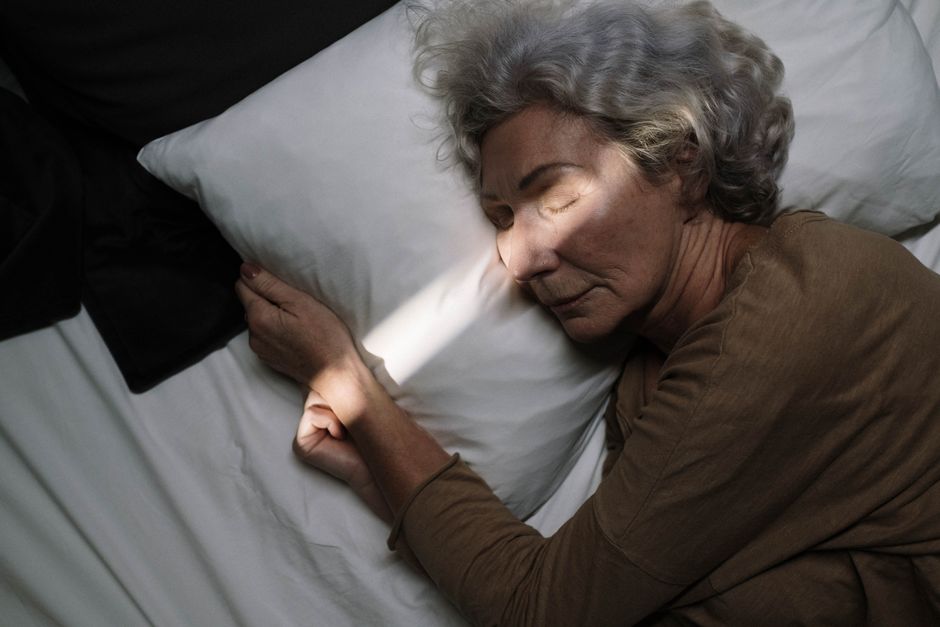
Sleeping with obstructive sleep apnea (OSA) takes some planning, but it is manageable. The single most effective step is to use your prescribed CPAP therapy every night, including naps. Positional therapy — sleeping on your side rather than your back — can help reduce symptoms and is often recommended alongside CPAP, not instead of it. The rest comes down to a few practical adjustments to your bedroom, your pillow, and your bedtime routine.
OSA is common and treatable. Roughly 30 million adults in the United States are estimated to have it, though many are undiagnosed. What follows is an honest look at what the evidence supports, what it does not, and how to make nights more comfortable when you have OSA.
Why Does Sleep Position Matter So Much With OSA?
When you lie on your back, gravity pulls the tongue and soft tissues of the throat downward, narrowing the airway. In people with OSA, this narrowing can lead to partial or complete blockage during sleep — what doctors call an apnea or hypopnea.
This is why so many people with OSA find their symptoms are worse on their back. Research consistently shows that supine (back) sleep worsens apnea severity in a large share of people with the condition. Not everyone is position-dependent, though. Some people have similar apnea regardless of position, and for them, position changes alone will do little.
One clarification worth knowing: sleeping on your stomach is not a reliable fix. It can reduce back-sleeping, but it also puts strain on your neck and may not keep the airway open. Side sleeping is the position most studied and most recommended.
What Is the Best Sleeping Position for OSA?
Side sleeping is the position most consistently linked to fewer breathing events in people whose OSA is position-dependent. It is not a cure, and it does not replace CPAP for moderate or severe OSA.
Here is how the main positions compare:
- Side sleeping: Generally the best position for positional OSA. Keeps the airway more open than back sleeping.
- Back sleeping: The worst position for most people with OSA. Gravity works against the airway.
- Stomach sleeping: Not well studied as a treatment. May reduce back-sleeping but can strain the neck.
- Elevated head: Raising the head of the bed slightly may help some people, but the evidence is limited and it is not a substitute for treatment.
Which side you sleep on matters less than simply avoiding your back. Some people find either side works equally well. Others notice a difference. There is no strong evidence that one side is clearly better than the other for OSA.
How Do You Train Yourself to Sleep on Your Side?
Changing sleep position is harder than it sounds. Most people shift position many times a night without noticing. The goal is to make back-sleeping uncomfortable enough that your body naturally avoids it.
Several approaches are used. Some have more evidence behind them than others:
- Body pillows: Placing a long pillow behind your back can make rolling onto your back harder. This is simple and low-risk.
- Positional alarms: Small devices worn on the chest or back vibrate when you roll onto your back. Some studies suggest these can reduce back-sleeping time, though results vary.
- Specialty pillows: Contoured pillows marketed for side sleepers may help comfort. No strong evidence shows they treat OSA directly.
- Tennis ball trick: Sewing a tennis ball into the back of a shirt is an old, low-cost method. It works for some people but is uncomfortable and not well studied.
Positional therapy works best for people with mild OSA that is clearly worse on their back. For moderate or severe OSA, position changes alone are not enough. The evidence does not support using positional therapy as a replacement for CPAP in those cases.
How Do You Sleep Comfortably With CPAP?
CPAP is the most effective treatment for moderate to severe OSA. It keeps the airway open by delivering a steady stream of air through a mask. The challenge for many people is comfort, not effectiveness.
Most CPAP problems have practical solutions. A few adjustments make a real difference:
- Mask fit: A mask that leaks or presses too hard is the most common reason people stop using CPAP. Try different mask styles — nasal pillows, nasal masks, and full-face masks all fit differently.
- Humidity: A heated humidifier can reduce dryness in the nose and mouth, which is a frequent complaint.
- Ramp setting: Many machines start at a lower pressure and build up over time, making it easier to fall asleep.
- Side sleeping with CPAP: Side sleeping is fine with CPAP. Some masks work better on the side than others, so mask choice may matter here.
- Consistency: Using CPAP every night — not just some nights — is what makes it work. Partial use gives partial benefit.
If you are struggling with CPAP, talk to your sleep specialist before giving up on it. There are usually adjustments that help. The evidence for CPAP in moderate to severe OSA is strong, and it is the treatment most guidelines recommend as first-line therapy.
What About Mouthguards and Other Alternatives?
Oral appliances — sometimes called mandibular advancement devices — are a real option for some people. They work by holding the lower jaw forward, which can help keep the airway open.
Oral appliances are generally considered an option for mild to moderate OSA, or for people who cannot tolerate CPAP. They are less effective than CPAP for severe OSA. A dentist trained in sleep medicine fits them, and follow-up matters.
Other approaches have weaker evidence:
- Nasal strips and dilators: These may help with snoring or nasal congestion but do not treat OSA itself.
- Sleeping wedges: Raising the upper body slightly may help some people. Evidence is limited.
- Weight loss: For people with overweight or obesity, weight loss can reduce OSA severity. This is well established, though results vary and weight loss is not a guaranteed cure.
- Surgery: Reserved for specific cases. Not a first-line treatment.
Be cautious with products marketed as OSA cures. No pillow, strip, or device has been shown to cure OSA. If a claim sounds too good to be true, it usually is.
What Else Helps You Sleep Better With OSA?
Beyond position and CPAP, a few habits support better sleep. None of these treat OSA on their own, but they make nights easier.
- Avoid alcohol close to bedtime. Alcohol relaxes the muscles of the airway and can worsen apnea.
- Keep a consistent sleep schedule. Going to bed and waking at the same time helps your body settle.
- Treat nasal congestion. A blocked nose makes CPAP harder and can worsen breathing during sleep.
- Sleep on your side with support. A pillow between the knees and one behind the back can help you stay on your side.
- Talk to your doctor about follow-up. OSA treatment needs monitoring. Symptoms and pressure needs can change over time.
One point worth repeating: CPAP adherence is the biggest factor in whether treatment works. If you are using it most nights, you are already ahead. If you are not, the conversation to have is with your sleep specialist — not with a new pillow.
Frequently Asked Questions
What is the best sleeping position for sleep apnea?
Side sleeping is generally the best position for people whose OSA is worse on their back. It is not a substitute for CPAP in moderate or severe cases.
Can you sleep on your side with a CPAP mask?
Yes. Side sleeping works fine with CPAP, though some mask styles are more comfortable on the side than others. A pillow designed for CPAP users may help.
Does sleeping elevated help sleep apnea?
Raising the head of the bed may help some people breathe easier, but the evidence is limited. It is not a replacement for CPAP or other prescribed treatment.
Can positional therapy cure sleep apnea?
No. Positional therapy can reduce symptoms in mild, position-dependent OSA, but it does not cure the condition. Moderate or severe OSA needs medical treatment.
