
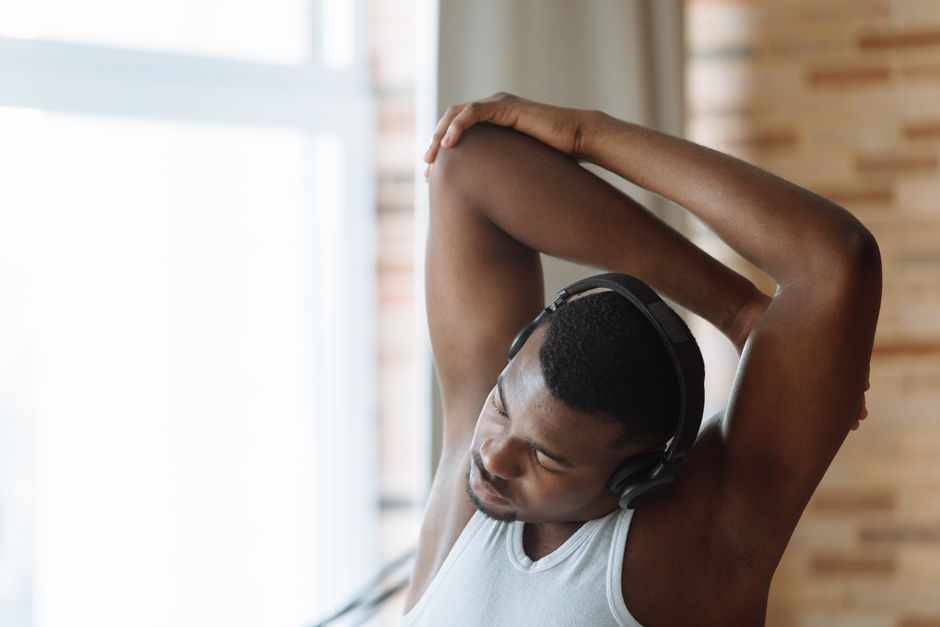
You can sleep with headphones safely if you keep the volume low, choose a design that doesn’t press into your ear, and give your ears time to recover during the day. The main risks are sustained loud volume and physical pressure on the ear canal or outer ear. Both are manageable with the right setup.
Most ear problems from overnight listening don’t come from sleeping itself. They come from volume that’s too high for too long, or from a device that pushes against delicate tissue for eight hours. Fix those two things and the risk drops a lot.
What actually causes ear pain from sleeping in headphones?
Ear pain from overnight listening usually comes from pressure, not sound. When you lie on a hard earbud for hours, it presses the soft tissue of your ear canal or the cartilage of your outer ear against your skull. That sustained pressure can cause soreness, and over time it can irritate the canal lining.
Side sleepers get this most. The ear pressed into the pillow takes the force. Standard earbuds and hard-shelled headphones are the worst offenders because they don’t compress.
Sound causes a different problem. The inner ear’s hair cells that convert sound into nerve signals are fragile. Loud sound for long stretches is the well-documented pathway to noise-induced hearing damage. The key variable is a combination of how loud and how long. Quiet sound for eight hours is a very different exposure than loud sound for eight hours.
There’s a third, less obvious issue: earwax and moisture. Earbuds that seal the canal trap warmth and humidity. That environment can soften earwax and, in some people, contribute to irritation or infection over time. It’s not guaranteed, but it’s a real consideration for anyone who wears sealed earbuds nightly.
How do you sleep with headphones without hurting your ears?
The single most effective change is turning the volume down. Keep it low enough that you could hold a conversation over the audio without raising your voice. That’s a practical test, not a precise measurement, but it keeps you well below the range where sustained exposure becomes a concern.
Second, change the hardware to something that doesn’t press into your ear. The options that work best for sleep share one trait: they’re soft or flat.
- Sleep-specific flat headphones: These have a thin fabric or foam headband with flat speakers that lie against the ear rather than inside it. Side sleepers can lie on them without a hard object digging in.
- Soft headband headphones: Similar idea. The speaker sits against the outer ear, and the band compresses against the pillow.
- One earbud, one ear free: If you sleep on your side, using a single earbud in the upward-facing ear avoids pressure entirely. It also leaves one ear open to hear alarms.
Standard over-ear headphones are a poor choice for side sleeping. The hard cup and headband create pressure points and can shift during the night. They work reasonably for back sleepers.
Third, set a sleep timer. Most phones and music apps let audio stop after a set period. Falling asleep to sound for 30 to 60 minutes and then silence is a very different exposure than eight hours of continuous audio. This one habit removes most of the overnight sound dose.
Are flat sleep headphones safer than regular earbuds?
For pressure and comfort, flat sleep headphones are generally better than standard earbuds. They spread force across a wider area and don’t sit inside the ear canal. That reduces the pressure soreness and the trapped-moisture problem that sealed earbuds can create.
Safer for your ears overall is a separate question from safer for sleep. Neither design protects your hearing if the volume is too high. A flat headphone turned up loud is still loud. The comfort advantage is real; the hearing-protection advantage depends entirely on volume.
One point worth being clear about: there’s no strong body of clinical research comparing sleep headphone designs head to head for long-term ear outcomes. The reasoning here rests on established principles of pressure and sound exposure, not on large trials of specific products. That distinction matters. The pressure and volume logic is solid. The claim that one brand is medically superior is not something the evidence supports.
What volume is safe for sleeping with headphones?
There’s no official sleep-specific volume standard. What exists are general safe-listening guidelines for personal audio devices, and they’re built around the same principle: lower volume for longer duration.
A widely used rule of thumb for personal audio is the 60/60 guideline — no more than about 60% of maximum volume for no more than 60 minutes at a time. This is a general consumer guideline, not a clinical prescription, and it’s aimed at waking listening. For sleep, the practical takeaway is to go lower and shorter than that, not higher.
Here’s the non-obvious part. The danger isn’t a single loud song. It’s cumulative dose over time. Eight hours at a moderate volume can deliver more total sound energy than a short loud session. That’s why a sleep timer is so useful. It caps the dose regardless of what the volume setting is.
If you can hear the audio clearly while lying in a quiet room at a setting that feels almost too quiet, that’s usually the right zone. If you need it loud to drown out background noise, address the noise instead — a fan or white noise machine — rather than cranking the headphones.
Can sleeping in earbuds cause ear infections?
Sleeping in sealed earbuds can raise the risk of outer ear irritation and, in some people, infection. The mechanism is well understood. Sealed earbuds trap heat and moisture in the ear canal and block airflow. That warm, damp environment is more favorable for bacterial and fungal growth than a dry, open canal.
Pressing an earbud against the canal wall for hours can also cause small abrasions. Broken skin plus moisture is a setup for irritation that can progress.
This doesn’t mean everyone who sleeps in earbuds gets infections. Many people do it for years without problems. But if you notice itching, discharge, pain, or a feeling of fullness that persists, those are reasons to stop and have a clinician look at it. Don’t try to clean deep in the canal yourself — that tends to make things worse.
Keeping earbuds clean and letting your ears breathe during the day reduces the risk. So does choosing a design that doesn’t seal the canal.
What are the warning signs you should stop?
Stop overnight headphone use and get your ears checked if you develop ringing, muffled hearing, pain that lasts into the day, or a sense of fullness that doesn’t clear. These can be early signs of noise exposure or of an ear canal problem.
Ringing in the ears after listening — even briefly — is a signal that the volume was too high. Temporary ringing that resolves is common after loud exposure, but repeated episodes are worth taking seriously. Hearing damage from sound accumulates over years and isn’t reversible once hair cells are lost.
Muffled hearing that lingers after you take the headphones off is another flag. So is any discharge from the ear, which points toward infection rather than simple irritation.
None of this is meant to alarm. Most people who keep volume low and avoid pressure will have no issues. But these signs are the body’s way of saying the current setup isn’t working, and they’re worth acting on rather than pushing through.
Practical setup for a safer night
Put the pieces together and a safe routine looks like this. Choose a flat or soft headband design, or use a single earbud on the upward ear if you sleep on your side. Set the volume low. Set a sleep timer so audio stops after you’re asleep. Keep the devices clean. Give your ears open, dry time during the day.
If you share a bed with someone and use audio to mask snoring or noise, consider whether a white noise machine or earplugs might serve you better than headphones. Earplugs reduce sound coming in without adding any sound dose to your ears at all. For some people that’s the simpler and lower-risk path.
The bottom line: sleeping with headphones isn’t inherently harmful. The risk lives in the details — volume, duration, and pressure. Control those and you can listen comfortably without paying for it later.
Frequently Asked Questions
Is it bad to sleep with headphones every night?
It’s not automatically harmful if the volume stays low and the headphones don’t press into your ear. The risk comes from sustained loud volume and constant pressure, not from the habit itself.
Can headphones damage your ears while you sleep?
Loud volume over long periods is the main concern, because sustained sound exposure can damage the inner ear’s hair cells over time. Physical pressure from hard earbuds can also cause soreness and canal irritation.
What is the safest headphone type for side sleepers?
Flat sleep headphones or soft headband designs are generally the most comfortable for side sleepers because they don’t press a hard object into the ear. Using one earbud in the upward-facing ear is another option.
Should I use a sleep timer with headphones?
Yes, a sleep timer is one of the simplest ways to reduce your overnight sound exposure. It lets you fall asleep to audio and then stops it, cutting the total dose to your ears.
