
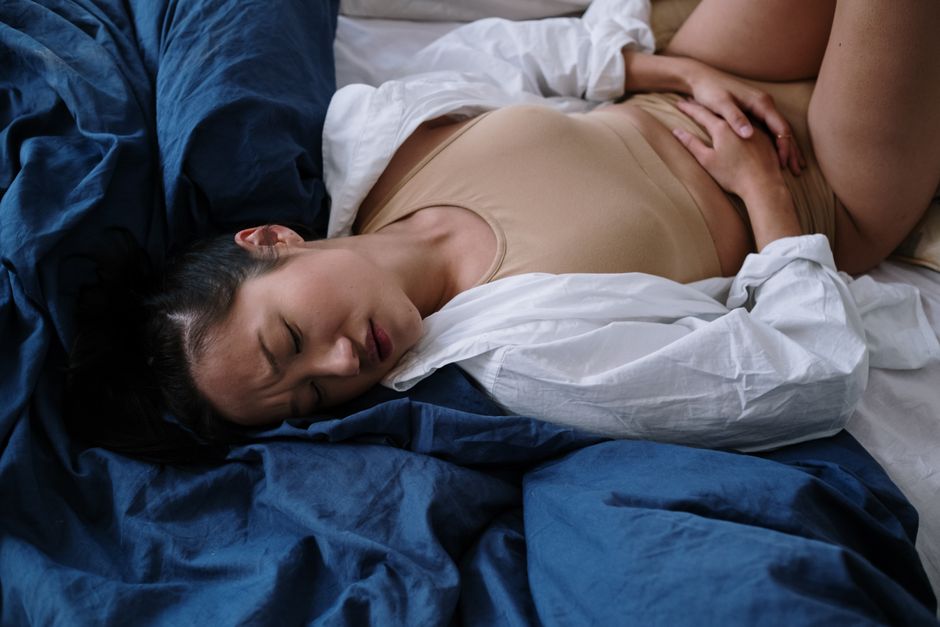
Diarrhea at night can make sleep feel impossible. The combination of cramping, urgency, and frequent bathroom trips disrupts rest and leaves you exhausted the next day. Getting through the night requires a practical plan that reduces symptoms, protects your sleep, and keeps you close to a bathroom when you need one.
The most effective approach combines gentle rehydration, careful food choices before bed, and over-the-counter medication used correctly. Position yourself near a bathroom, keep a glass of water on the nightstand, and consider sleeping on your left side to help manage discomfort. These steps will not cure the underlying cause, but they can make the night more manageable.
Why Does Diarrhea Get Worse At Night?
Your digestive system does not fully shut down when you sleep. It continues moving food and waste through the intestines, though at a slower pace. For some people, the urge to use the bathroom actually intensifies at night because the body’s natural sleep-wake cycle affects gut motility.
There is also a condition called nocturnal diarrhea that specifically refers to stools that wake you from sleep. This is different from having loose stools during the day. Being woken up by the need to pass stool is worth mentioning to a doctor, especially if it happens regularly, because it can sometimes point to an underlying condition that needs evaluation.
Lying flat can also make symptoms feel worse. When you are upright, gravity helps keep stomach acid and digestive contents moving in the right direction. When you lie down, that same gravity works against you, which can increase discomfort and the sensation of pressure in the abdomen.
What Position Is Best For Sleeping With Diarrhea?
Sleeping on your left side is the position most often recommended for digestive discomfort. The anatomy of the digestive tract supports this. The junction where the small intestine meets the large intestine sits on the right side of your abdomen. Lying on your left side allows gravity to assist the natural movement of waste through this junction.
Some research suggests that left-side sleeping may also help with acid reflux, which can be a separate problem from diarrhea but often occurs alongside it. The stomach sits lower than the esophagus when you lie on your left side, which makes it harder for stomach contents to flow backward.
If left-side sleeping is uncomfortable, raise your upper body slightly with extra pillows. This does not stop diarrhea, but it can reduce the feeling of abdominal pressure and make it easier to rest between bathroom trips. Avoid sleeping flat on your back, as this position can make cramping feel more intense for some people.
How To Sleep With Diarrhea What Helps At Night?
The key to sleeping with diarrhea is preparation before you get into bed. Start by making sure you are hydrated. Diarrhea causes fluid loss, and dehydration makes everything worse, including fatigue and muscle cramping. Drink small amounts of water or an oral rehydration solution throughout the evening. Avoid drinking large amounts at once, which can stimulate the digestive tract.
Keep a glass of water on your nightstand so you can sip if you wake up. If you are losing a lot of fluid, an oral rehydration solution with electrolytes is more effective than plain water. These are available at most pharmacies and contain the right balance of salt, sugar, and water that your body needs to absorb fluids properly.
Choose your evening snack carefully. Bland, low-fiber foods are easier on the digestive system. Plain crackers, toast, bananas, or applesauce are reasonable choices if you are hungry before bed. Avoid fatty, spicy, or highly processed foods, which can stimulate the gut and worsen diarrhea. Dairy products, caffeine, and alcohol should also be avoided in the evening if you have active diarrhea.
Take over-the-counter medication only if you know what is causing your diarrhea. Loperamide, the active ingredient in Imodium, slows down gut movement and reduces the frequency of stools. It is appropriate for sudden, non-serious diarrhea in adults. It should not be used if you have a fever, blood in your stool, or if you suspect a bacterial infection, because slowing the gut can make an infection worse.
Bismuth subsalicylate, the active ingredient in Pepto-Bismol, is another option. It reduces inflammation in the intestinal lining and may help with mild diarrhea. It can turn your tongue and stools dark, which is harmless but can be alarming if you do not expect it. Follow the dosing instructions on the package and do not take more than recommended.
Set up your path to the bathroom before you go to bed. Leave a light on in the hallway or use a nightlight. Clear any obstacles from the floor. If you share a bed, warn your partner that you may be getting up. Some people find it helpful to sleep in the bathroom-adjacent side of the bed or to keep a robe and slippers nearby so you do not have to search for them in the dark.



Does Dehydration Make Nighttime Diarrhea Worse?
Dehydration does not directly cause diarrhea, but it makes the physical experience of it much harder. When you are dehydrated, your body has less fluid to work with, and your muscles are more prone to cramping. The abdominal cramping associated with diarrhea can feel more intense when you are dehydrated.
Dehydration also worsens fatigue. If you are already losing sleep to bathroom trips, waking up dehydrated will make you feel significantly worse the next day. The signs of dehydration include dark urine, dry mouth, dizziness when standing, and feeling unusually thirsty. If you have any of these signs, focus on replacing fluids even if you do not feel like drinking.
For most healthy adults, water is sufficient if the diarrhea has lasted less than a day. If it continues beyond that, an oral rehydration solution is a better choice because it replaces the electrolytes, particularly sodium and potassium, that are lost in loose stools. Sports drinks are not the same as oral rehydration solutions. They contain sugar and some electrolytes, but the balance is not designed for diarrhea recovery.
When Should You See A Doctor For Nighttime Diarrhea?
Most cases of diarrhea resolve on their own within a few days. You should see a doctor sooner if you have diarrhea that lasts more than two days without improvement. Diarrhea that is accompanied by a fever above 101°F, severe abdominal pain, or blood in the stool requires medical evaluation, as these can be signs of a bacterial or parasitic infection.
Nighttime diarrhea that wakes you from sleep on a regular basis warrants a medical discussion even if it is not severe. This pattern is less common than daytime diarrhea and can be a sign of an underlying digestive condition. Some research suggests that diarrhea that consistently wakes a person from sleep is more likely to be associated with organic disease rather than functional bowel disorders like irritable bowel syndrome.
Dehydration is another reason to seek care. If you cannot keep fluids down, if you feel dizzy or confused, or if you have not urinated in several hours, you may need intravenous fluids. Older adults, young children, and people with chronic medical conditions are at higher risk for complications from dehydration and should seek care earlier.
If you are traveling and develop diarrhea, the risks are different. Traveler’s diarrhea can be caused by bacteria that require antibiotics. If you develop diarrhea while traveling and it is severe, bloody, or accompanied by a high fever, seek medical care rather than self-treating with anti-diarrheal medication alone.
Can Certain Medications Cause Nighttime Diarrhea?
Yes. Several common medications list diarrhea as a side effect. Antibiotics are among the most common culprits because they disrupt the natural balance of bacteria in the gut. When antibiotics kill off beneficial bacteria, other organisms can overgrow and cause loose stools. This can happen during the course of antibiotics or weeks after finishing them.
Metformin, a medication used for type 2 diabetes, frequently causes digestive upset including diarrhea, especially when the dose is increased. Magnesium supplements, particularly magnesium oxide and magnesium citrate, draw water into the intestines and can cause loose stools. If you take a magnesium supplement and develop diarrhea, the supplement may be the cause.
Laxatives, by design, cause loose stools. If you take a laxative for constipation and experience nighttime diarrhea, the dose may be too high or the timing may be wrong. Some laxatives work within hours, while others take longer. Read the label to understand when the medication is expected to work so you are not surprised by nighttime bathroom trips.
If you suspect a medication is causing your diarrhea, do not stop taking it without talking to your doctor. Some medications should not be stopped suddenly. Instead, mention the symptom to your prescribing doctor and ask whether an alternative medication or a different dose is available.
Frequently Asked Questions
Should I eat before bed if I have diarrhea?
Yes, but choose bland, low-fiber foods like plain crackers or toast. A completely empty stomach can make cramping worse, while heavy or spicy foods can trigger more bowel movements.
Is it safe to take Imodium at night?
Loperamide is safe for adults with sudden, non-serious diarrhea when taken as directed. Do not use it if you have a fever, blood in your stool, or suspect a bacterial infection, and never exceed the dose on the package.
How much water should I drink before bed with diarrhea?
Sip small amounts of water or an oral rehydration solution throughout the evening rather than drinking large volumes at once. Keep a glass on your nightstand to replace fluids when you wake up.
Can sleeping on my stomach help with diarrhea cramps?
Sleeping on your left side is generally better for digestive comfort than sleeping on your stomach. Stomach sleeping can increase pressure on your abdomen and make cramping feel more intense.
