
A urinary tract infection makes the urge to urinate constant and painful, which is why it wrecks sleep more than almost any other common illness. The single most effective step for sleeping with a UTI is to treat the infection itself, since nighttime symptoms usually fade as the infection clears. Until then, you can reduce nighttime trips and pain by drinking most of your fluids earlier in the day, emptying your bladder fully before bed, and using a heating pad on your lower abdomen or back. If you have fever, chills, back or side pain, or vomiting, that suggests the infection may have reached the kidneys, and you should seek medical care right away rather than trying home remedies.
Why Does A UTI Get Worse At Night?
UTIs do not actually worsen at night. The infection is steady, but your awareness of it changes. During the day, work, conversation, and movement compete for your attention. At night, the room is quiet, you are lying still, and your bladder signals become the loudest thing in your body.
Two other things make nights harder. First, lying flat changes how urine sits in the bladder and can make the urge feel more urgent. Second, many people drink more fluids in the evening, which gives an irritated bladder more to react to.
This is why the misery feels worse after lights out even when the infection is not advancing. It is a perception and positioning problem layered on top of a real infection. Treating the infection is what actually resolves it.
How To Sleep With A UTI: Nighttime Relief Tips
These steps reduce symptoms. None of them cure the infection, and they work best alongside proper treatment.
- Shift your fluids earlier. Drink most of your water before late afternoon. Cutting fluids entirely can concentrate your urine, which stings more.
- Empty your bladder right before bed. Take your time and lean forward slightly at the end to help fully empty.
- Use a heating pad on low. Place it on your lower belly or back for warmth and muscle relaxation. Never sleep on a heating pad — burns can happen during sleep.
- Take a warm bath or shower before bed. Warmth can ease pelvic tension.
- Skip caffeine, alcohol, and spicy food in the evening. All three can irritate the bladder.
- Avoid scented soaps and douches. They can worsen irritation.
- Wear loose cotton underwear. Tight, damp clothing holds moisture and heat.
- Keep a night light and clear path to the bathroom. Fewer stumbles means faster returns to bed.
Some people find that urinating sitting down and then standing to finish helps empty the bladder more completely. This is a common clinical suggestion, though formal trials on the technique are limited.
What Pain Relief Can Help You Sleep?
Over-the-counter pain relievers can reduce the burning and pressure enough to let you rest. Acetaminophen and ibuprofen are both commonly used for UTI discomfort. Ibuprofen also reduces inflammation, which may help with the pressure sensation.
Follow the label directions and do not exceed the recommended dose. If you take other medications, have kidney problems, stomach ulcers, or are pregnant, check with a pharmacist or clinician first. Ibuprofen and similar drugs are not appropriate for everyone.
There is a prescription option called phenazopyridine that numbs the bladder lining and can ease burning quickly. It is available by prescription in the US and turns urine bright orange. It does not treat the infection, only the symptom, and it should not be used for more than a short period without medical guidance.
Do not rely on pain relief alone. If you have a UTI, the infection needs to be addressed, and delaying that can let it spread.





When Should You See A Doctor Instead Of Waiting?
See a clinician promptly if this is your first UTI, if symptoms last more than a couple of days, or if they are getting worse. Many UTIs need antibiotics to clear, and some can resolve on their own, but you cannot reliably tell which yours will do.
Seek care the same day for any of these signs, which suggest the infection may have moved to the kidneys:
- Fever or chills
- Pain in your back or side, below the ribs
- Nausea or vomiting
- Shaking or feeling very unwell
Kidney infections are more serious than bladder infections and need prompt treatment. Do not try to sleep it off.
Also seek care if you are pregnant, if you have diabetes, if you are older, or if you have a weakened immune system. UTIs can progress faster and cause more complications in these groups.
Does Cranberry Juice Or Water Actually Help?
Water helps. Staying well hydrated dilutes urine, which can make urination less painful. That is a reasonable and low-risk step, though it will not cure an established infection.
Cranberry is more complicated. Some studies suggest cranberry products may help prevent UTIs in certain groups, particularly women with recurrent infections. The evidence for treating an active infection is weak, and no major guideline recommends cranberry as a treatment. If you want to try it, it is unlikely to cause harm, but do not use it in place of medical care.
One practical note: many cranberry juice cocktails are high in sugar and low in actual cranberry. If you drink juice, that sugar load is not helping anything.
Can You Prevent The Next Nighttime Flare?
Recurrent UTIs are common, especially in women. Some prevention steps have reasonable evidence behind them, and others are more commonly recommended than proven.
Steps with better support:
- Drink enough fluids daily to keep urine pale
- Urinate after sexual activity
- Empty your bladder fully when you go
Steps that are often suggested but have weaker evidence:
- Avoiding baths in favor of showers
- Wiping front to back (this is standard hygiene advice, though trials are limited)
- Avoiding certain underwear fabrics
If you get UTIs often, talk to a clinician about prevention strategies. In some cases, a low-dose antibiotic taken regularly or other preventive approaches may be considered. That is a medical decision, not a self-care one.
What About Pregnancy And Older Adults?
Pregnancy changes the picture. UTIs in pregnancy carry a higher risk of complications, including kidney infection and preterm labor, and are generally treated more aggressively. Do not wait to see if symptoms pass. Contact your prenatal care provider.
Older adults often have different symptoms. Confusion, weakness, or a sudden change in behavior can be the main sign of a UTI rather than burning or urgency. This makes nighttime problems harder to spot. If an older adult in your care seems suddenly more confused or unsteady at night, a UTI should be on the list of possible causes — but so should many other conditions, so a clinician needs to sort it out.
In both groups, the safest course is early medical evaluation rather than home management.
Setting Up Your Bedroom For A Better Night
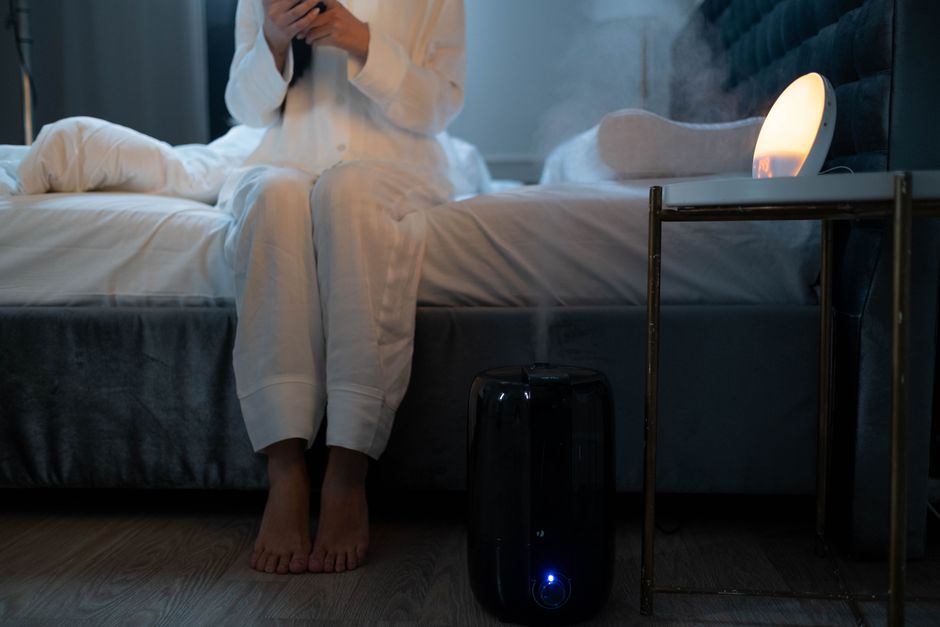
Small changes to your environment can make a rough night less rough. Keep water within reach so you are not tempted to gulp a large amount at once. A bedside commode or a clear, well-lit path reduces the time you are awake and moving.
Keep the room cool and dark. If pain is keeping you up, treat the pain before it peaks rather than waiting until it is severe. Some people find that sleeping slightly propped up on pillows eases pressure.
None of this replaces treatment. It just makes the waiting more bearable.
Frequently Asked Questions
How can I sleep with a UTI at night?
Drink most of your fluids earlier in the day, empty your bladder fully before bed, use a heating pad on low on your lower belly, and take over-the-counter pain relief if it is safe for you. These reduce symptoms but do not cure the infection, so see a clinician if symptoms persist or worsen.
What is the fastest way to get rid of a UTI?
For most people, the fastest relief comes from antibiotics prescribed by a clinician, which treat the infection directly. Home remedies can ease symptoms but do not reliably clear an infection on their own.
Does cranberry juice help a UTI?
Some studies suggest cranberry may help prevent UTIs in certain groups, but the evidence for treating an active infection is weak. No major guideline recommends it as a treatment, so do not use it in place of medical care.
When should I go to the doctor for a UTI?
See a clinician promptly if this is your first UTI, if symptoms last more than a couple of days, or if they are getting worse. Seek same-day care for fever, chills, back or side pain, or vomiting, which can signal a kidney infection.
