
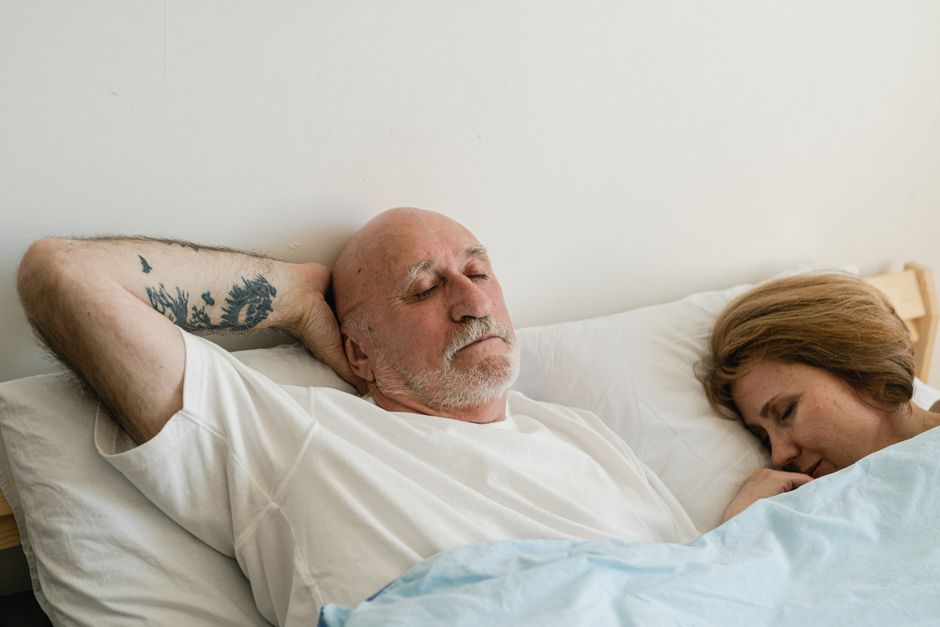
A double ear infection hurts more at night, and that is not your imagination. Lying flat raises pressure and swelling in the middle ear, which is why the throbbing often gets worse the moment your head hits the pillow. The most reliable way to sleep tonight is to raise your head and upper body, use pain relief that is appropriate for your age and health, and keep the room quiet and cool. Sleep may still be broken. That is expected with an active infection.
This article covers what actually helps at night, what to avoid, and when ear pain needs medical care rather than home measures. It is general information, not a substitute for a clinician who can examine your ears.
Why Does A Double Ear Infection Hurt More At Night?
Gravity is the main reason. When you lie flat, fluid and pressure in the middle ear shift, and the tissues lining the ear canal and eardrum can swell more. The result is that familiar fullness and throbbing that seems to build as the night goes on.
There is a second factor. Pain signals often feel stronger at night because there are fewer distractions. During the day, conversation, movement, and noise compete for your attention. In a dark, quiet room, the ache is all there is.
A double ear infection means both ears are inflamed. That matters for sleep because pressure and pain are coming from two sides at once, and you cannot simply roll onto the “good” ear to escape it.
What Is The Best Sleeping Position With A Double Ear Infection?
Sleep with your head and upper body raised. Prop yourself up with pillows, or sleep in a recliner if you have one. Keeping your head above the level of your chest helps reduce pressure and swelling in the ears and can make lying down less painful.
Elevation is a comfort measure, not a treatment. It will not cure the infection. What it can do is take the edge off the pressure that makes lying flat so uncomfortable.
If you use pillows, build a gradual slope rather than stacking one tall pillow under your head. A steep angle can strain your neck and wake you with a different kind of pain. Two or three pillows arranged so your head and shoulders are both supported usually works better than one high pillow.
Side sleeping is fine if it is comfortable. With both ears affected, there is no “correct” side to favor. Choose whatever position lets you rest without pressing directly on a tender ear.
What Pain Relief Can Help You Sleep?
Over-the-counter pain relievers are the mainstay for ear infection pain, and they can help you sleep. For most adults, acetaminophen or an anti-inflammatory such as ibuprofen is appropriate if you have no medical reason to avoid them.
Follow the dosing on the package exactly. Do not exceed the daily maximum, and do not combine products that contain the same ingredient. Many cold and flu remedies already include acetaminophen, and doubling up by accident is a real risk.
If you have liver disease, kidney disease, stomach ulcers, or take blood thinners, check with a pharmacist or clinician before using these medicines. Ibuprofen and similar drugs are not appropriate for everyone.
For children, dosing depends on weight and age, and the guidance differs from adult dosing. Follow the package instructions for the child’s weight or ask a pharmacist. Never give aspirin to a child or teenager because of the risk of Reye’s syndrome, a rare but serious condition.
Warm compresses held against the outside of the ear for short periods can ease discomfort for some people. This is a comfort measure with limited evidence behind it, but it is low risk. Never put anything inside the ear canal, including oil, cotton swabs, or home remedies.
Should You Use Ear Drops Before Bed?
Only use ear drops a clinician has recommended for your situation. Not all ear infections respond to drops, and the type of infection matters. Drops designed for outer ear infections are not the same as treatment for a middle ear infection.
If you have a perforated eardrum or ear tubes, some drops are unsafe. This is why a clinician needs to look at your ear before you use anything.
Never put drops in a child’s ear without medical advice. And never use leftover drops from a previous illness. The infection may be different, and old drops may be expired or contaminated.
What Should You Avoid Tonight?
Skip alcohol. It can worsen swelling and disrupt sleep, and it interacts with many medicines. It also tends to make pain feel worse once it wears off.
Avoid loud noise, including headphones and earbuds. Pressing earbuds into a tender ear is painful, and loud sound can aggravate discomfort.
Do not fly or swim with an active ear infection. Pressure changes and water exposure can worsen symptoms and, in some cases, cause injury.
Do not stick anything into the ear canal to relieve itching or pressure. Cotton swabs, fingers, and home tools can scratch the canal and push debris deeper.
How Can You Make Sleep More Likely Tonight?
Set up your sleep environment before you get into bed. A cool, dark, quiet room helps. Ear pain is easier to tolerate when other discomforts are removed.
Try these steps:
- Raise the head of your bed or sleep in a recliner.
- Take pain relief at the dose and timing on the package so it is working when you lie down.
- Keep the room cool and quiet, and use a fan for white noise if silence makes the pain feel louder.
- Avoid screens for the last stretch before bed, since light and stimulation make it harder to fall asleep.
- If you wake in pain, change position and consider whether your pain relief has worn off.
Do not expect a full night’s sleep. Broken sleep is common with an active infection, and aiming for rest rather than perfect sleep reduces frustration. Resting in a recliner with your eyes closed still counts for something.
When Should You See A Doctor?
See a clinician if you have severe pain, high fever, drainage from the ear, sudden hearing loss, or symptoms that are not improving after a couple of days. These signs can point to complications or to an infection that needs treatment.
Get care the same day for swelling, redness, or tenderness behind the ear, or if the ear is pushed forward. These can be signs of a more serious infection that needs prompt treatment.
For children, seek care if a child is under six months old with a suspected ear infection, is very drowsy or difficult to wake, is not drinking, or has a stiff neck or rash. These are reasons to get medical help quickly rather than wait.
Most middle ear infections in adults and older children improve with time and pain relief, and many do not need antibiotics. Some do. Only a clinician who examines the ear can tell the difference, so do not assume antibiotics are needed or that they are not.
Will A Double Ear Infection Clear On Its Own?
Many middle ear infections improve without antibiotics, especially in older children and adults. Some studies suggest a share of cases resolve on their own within days. But “many” is not “all,” and a double infection can be more uncomfortable than a single one.
Watch for improvement over the next day or two with pain relief and rest. If things are getting worse rather than better, that is your signal to get checked.
Do not use leftover antibiotics. They may be the wrong drug, the wrong dose, or expired, and using them can make future infections harder to treat.
What About Antibiotics And Sleep?
If a clinician prescribes antibiotics, take them exactly as directed, including at night if the schedule calls for it. Keeping a consistent level of medicine in your body helps the treatment work.
Antibiotics do not usually relieve pain immediately. Pain relief still matters for sleep in the first day or two. Do not skip it because you started a prescription.
Finish the course as prescribed unless a clinician tells you otherwise. Stopping early can allow the infection to return.
Is It Safe To Sleep With Ear Pain And A Fever?
Sleeping with ear pain and a mild fever is generally fine if you are otherwise stable. Rest is part of recovery.
Get medical help rather than sleep on it if the fever is high, if you are confused or very drowsy, if you have a stiff neck, or if you cannot keep fluids down. Those signs need assessment, not home measures.
For children, trust your instincts. A child who is unusually sleepy, difficult to rouse, or breathing fast needs care right away.
Frequently Asked Questions
How do you sleep with a double ear infection?
Sleep with your head and upper body raised using pillows or a recliner, and take appropriate over-the-counter pain relief before bed. Keep the room cool and quiet, and expect broken sleep while the infection is active.
Should you sleep sitting up with an ear infection?
Sleeping propped up can reduce pressure and pain in the ears, so it is a reasonable comfort measure. You do not need to sit fully upright; a gradual slope that supports your head and shoulders is enough.
What is the fastest way to relieve ear pain at night?
Over-the-counter pain relief taken at the correct dose is the most reliable option for most adults. Raising your head and applying a warm compress to the outside of the ear may add comfort.
When should I go to the doctor for a double ear infection?
See a clinician for severe pain, high fever, ear drainage, hearing loss, or symptoms that are not improving after a couple of days. Get same-day care for swelling or tenderness behind the ear.
