
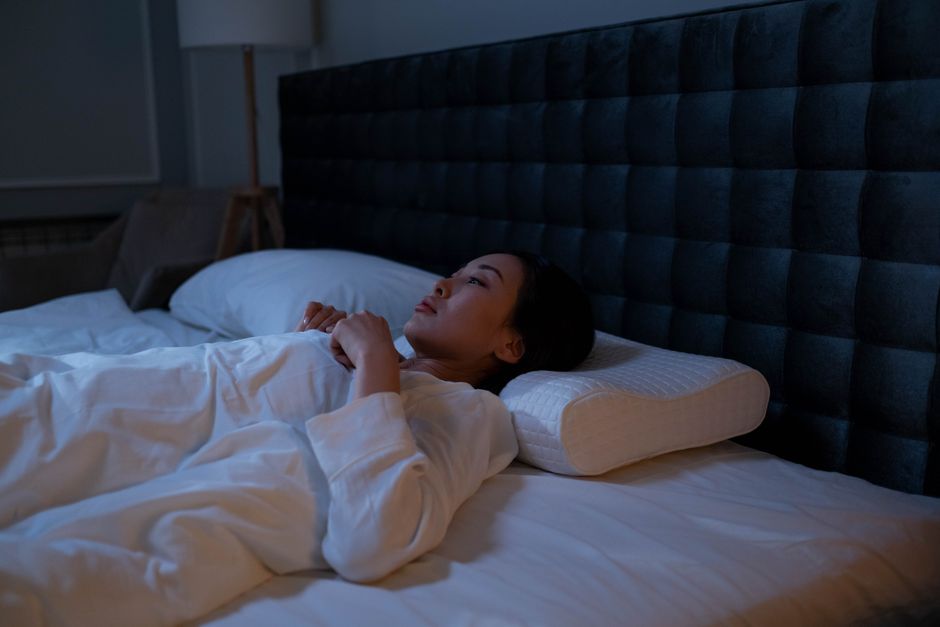
Waking up at 3 a.m. and staring at the ceiling is one of the most common health complaints in America. The good news: for most people, sleeping through the night is a skill the body can relearn. The main levers are consistent sleep and wake times, a dark and cool bedroom, limiting alcohol and caffeine, and getting out of bed if you are wide awake for what feels like a long stretch. If those steps fail for weeks, a doctor or a sleep specialist can check for conditions like sleep apnea or insomnia disorder.
Sleeping through the night does not mean never stirring. Everyone wakes briefly between sleep cycles. The goal is to fall back asleep quickly and not spend long stretches awake. That distinction matters, because many people who believe they have “terrible sleep” actually have normal brief awakenings that only become a problem when they start watching the clock and worrying.
Why Do I Wake Up in the Middle of the Night?
Brief awakenings are a normal part of human sleep. Sleep moves in cycles of roughly 90 minutes, cycling between lighter and deeper stages, and most people surface briefly between cycles. These micro-awakenings usually last seconds and are forgotten by morning.
What turns a normal awakening into a 2 a.m. ordeal is often what happens next. The brain notices it is awake, checks the clock, and starts calculating how many hours are left. That mental math triggers a mild stress response, which raises heart rate and makes falling back asleep harder. The bed itself can become linked with frustration rather than rest.
Several common factors make middle-of-the-night waking more likely:
- Alcohol. It can help you fall asleep faster, but as the body processes it, sleep becomes lighter and more fragmented in the second half of the night.
- Caffeine. Caffeine has a long half-life. An afternoon coffee can still be active at bedtime for many people.
- Late heavy meals and fluids. These can cause reflux or bathroom trips that interrupt sleep.
- Room temperature and light. A warm room or any light source can pull the brain toward wakefulness.
- Stress and an active mind. Unresolved worry tends to surface when the distractions of the day are gone.
Some medical conditions also cause nighttime waking. Sleep apnea, where breathing repeatedly pauses during sleep, is a common cause of fragmented sleep and is often missed. Prostate issues and menopause symptoms can cause frequent awakenings. So can chronic pain and acid reflux. If waking happens most nights despite good sleep habits, it is worth discussing with a doctor.
How To Sleep Through The Night: The Habits That Matter Most
The single most powerful habit is a consistent sleep and wake time, including weekends. The body runs on an internal clock that expects regularity. Going to bed and waking at the same times trains that clock, so sleepiness arrives on schedule and sleep stays steadier through the night.
Equally important is what you do when you cannot sleep. Sleep medicine has long emphasized a simple rule: if you are lying awake and frustrated for what feels like a long stretch, get up. Leave the bedroom, keep the lights low, and do something calm and dull until you feel sleepy, then return to bed. This breaks the link between the bed and wakeful frustration.
Other habits that support sleeping through the night:
- Keep the bedroom dark, quiet, and cool. Most people sleep best in a slightly cool room.
- Get bright light in the morning and dim light in the evening. Morning light anchors the body clock.
- Finish caffeine by early afternoon. Individual sensitivity varies, but caffeine’s effects can linger for many hours.
- Limit alcohol, especially close to bedtime.
- Keep a consistent wind-down routine in the hour before bed. Lower the lights and step away from screens and stressful tasks.
- Exercise regularly, though not right before bed for people who find it energizing.
One clarification worth making: the old advice to “make up for lost sleep” on weekends can backfire. Sleeping in by several hours shifts the body clock and makes Monday night harder. Keeping weekend wake times close to weekday ones protects the rhythm.
Does Alcohol Help You Sleep Through the Night?
No. Alcohol may shorten the time it takes to fall asleep, but it reliably worsens sleep in the second half of the night. As the body metabolizes alcohol, sleep becomes lighter, awakenings increase, and dreaming sleep is often disrupted.
This is one of the most consistent findings in sleep research. A drink in the evening can produce a night that feels short and restless even when total hours in bed look adequate. For anyone trying to sleep through the night, cutting back on evening alcohol is one of the highest-value changes to try.





What Should You Do When You Wake at 3 A.M.?
Keep the lights off, skip the clock, and avoid trying harder. Trying to force sleep tends to backfire because effort activates the same systems that keep you alert.
A calm approach works better. Lie still with relaxed breathing. If your mind is racing, a simple technique is to focus on the physical feeling of the mattress and your breath rather than your thoughts. If you are still wide awake after what feels like a long stretch, get up and do something quiet in dim light until you feel drowsy.
Do not check your phone. The light and the content both work against sleep. Do not start problem-solving the day ahead. If worries surface, jot them on paper to deal with in the morning, then set the list aside. This “parking” of thoughts is a common and reasonable strategy, though the research on it specifically is limited.
When Is Waking at Night a Sign of a Sleep Disorder?
Waking at night becomes a medical concern when it happens most nights, lasts for weeks, and causes real daytime problems. The key sign is how you feel during the day. Persistent fatigue, irritability, trouble concentrating, or falling asleep unintentionally during the day are reasons to seek help.
Two conditions are especially worth knowing about. Insomnia disorder involves trouble falling asleep, staying asleep, or waking too early, along with daytime impairment, on a regular basis. Obstructive sleep apnea involves repeated pauses in breathing during sleep. Loud snoring, gasping or choking during sleep, morning headaches, and heavy daytime sleepiness are common signs, but not everyone with apnea snores.
Both are treatable. Insomnia is often addressed with cognitive behavioral therapy for insomnia (CBT-I), which is considered a first-line treatment and generally preferred over sleeping pills for long-term use. Sleep apnea is typically evaluated with a sleep study and treated with approaches such as continuous positive airway pressure (CPAP). A primary care doctor can help decide what evaluation makes sense.
Which Sleep Aids Actually Help?
The evidence for most over-the-counter sleep aids is modest, and the evidence for supplements is mixed at best. This is an area where marketing runs well ahead of the science.
Melatonin is the most studied supplement. Some research suggests it can help shift the body clock and may modestly help some people fall asleep, but results vary and it is not a reliable fix for middle-of-the-night waking. Doses and formulations sold in stores vary widely, and long-term safety data are limited. It is worth talking to a doctor or pharmacist before using it, especially if you take other medications or are pregnant or breastfeeding.
Antihistamine-based sleep aids, often sold as “PM” products, can cause next-day grogginess and are generally not recommended for regular long-term use, particularly in older adults. Prescription sleep medications carry risks including dependence, next-day impairment, and complex sleep behaviors, and they are not a first-line answer for chronic insomnia.
No supplement or pill has been shown to reliably cure nighttime waking on its own. The behavioral habits described above have stronger evidence behind them than most products on the shelf.
What If Good Sleep Habits Are Not Enough?
If you have tried the basics for several weeks and still wake most nights, the next step is a conversation with a doctor. Bring notes on your sleep pattern, how you feel during the day, any snoring or breathing pauses, and what you have already tried. That information helps a clinician decide whether to look for a medical cause or refer you to a sleep specialist.
It is also reasonable to ask about CBT-I directly. It targets the thoughts and behaviors that keep nighttime waking going, and it is widely regarded as the leading treatment for chronic insomnia. Many people improve with it without medication.
Finally, be patient with yourself. Sleep habits built over years take time to change, and a few rough nights along the way are normal. The goal is a trend toward steadier sleep, not a perfect night every time.
Frequently Asked Questions
Why do I wake up at the same time every night?
Waking at a similar time is common because sleep cycles and the body clock run on a schedule, and light sleep stages make brief awakenings more likely. Stress, alcohol, and caffeine can make those awakenings more noticeable.
Is it normal to wake up during the night?
Yes. Brief awakenings between sleep cycles are a normal part of sleep and most people do not remember them. It only becomes a concern when you stay awake for long stretches or feel tired during the day.
Should I stay in bed if I wake up and can’t fall back asleep?
If you are wide awake and frustrated for what feels like a long stretch, get up and do something quiet in dim light until you feel sleepy. Staying in bed while frustrated can strengthen the link between bed and wakefulness.
Does melatonin help you stay asleep?
The evidence is mixed, and melatonin is better studied for shifting sleep timing than for staying asleep. Talk to a doctor or pharmacist before using it, especially if you take other medications.
