
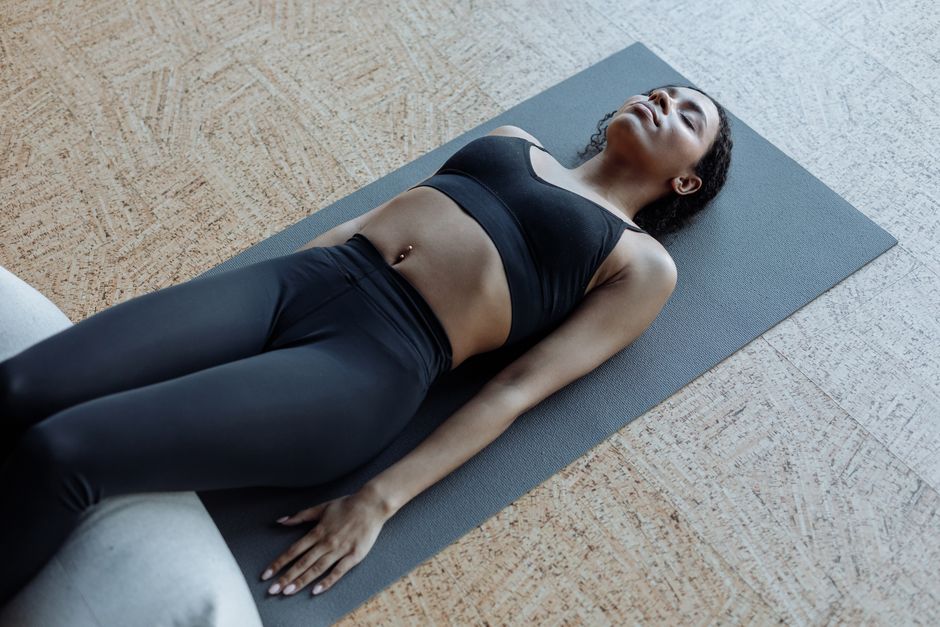
Getting good sleep on your period is possible, and the most reliable position is on your side with a pillow between your knees. This takes pressure off the abdomen and lower back, which are the areas most affected by cramping. Sleeping on your back with a pillow under your knees is a solid second option. Stomach sleeping is the least comfortable choice during your period because it presses directly on the uterus and lower belly.
There is no single perfect position that works for everyone. What matters is reducing pressure on your abdomen and supporting your lower back. A few simple adjustments to your sleep setup can make a real difference. None of these tips treat heavy bleeding or severe pain, so if your symptoms interfere with daily life, that is worth discussing with a clinician.
Why Is It Harder To Sleep On Your Period?
Sleep disruption during menstruation comes from several directions at once. The main driver is hormonal. Estrogen and progesterone shift across the cycle, and progesterone drops sharply in the days before bleeding starts. Progesterone has a calming, sleep-promoting effect, so when it falls, sleep can become lighter and more fragmented.
Body temperature also rises slightly during the luteal phase, the stretch of days before your period begins. A cooler sleep environment can help offset that. Some people notice night sweats in the days before and during their period, which is consistent with this temperature shift.
Then there is the pain itself. Uterine cramps are caused by prostaglandins, chemical messengers that make the uterine muscle contract. The same prostaglandins are linked to headache, nausea, and loose stools in some people, all of which can interrupt sleep. Pain and poor sleep feed each other: poor sleep can lower pain tolerance, and pain makes sleep harder.
Mental load plays a role too. Anxiety, irritability, and low mood in the premenstrual window are common and can make it harder to fall asleep.
What Is The Best Sleeping Position For Period Cramps?
Side sleeping with a pillow between your knees is the most commonly recommended position. It keeps your hips and spine aligned and takes weight off the lower back, where period pain often radiates. Curling into a loose fetal position can also feel soothing because it relaxes the abdominal wall.
Back sleeping with a pillow under your knees is a good alternative. It lets gravity keep pressure off the belly and keeps the lower back supported. If you tend to roll onto your stomach, a body pillow along your front can block that movement.
The position itself is not a treatment. No clinical trial has shown that any sleep position reduces menstrual cramp intensity. What the evidence does support is that reducing physical pressure and improving comfort helps people sleep better, and better sleep is linked to better pain tolerance. Treat position as a comfort tool, not a therapy.
Position Comparison At A Glance
| Position | Pressure on abdomen | Lower back support | Best for |
|---|---|---|---|
| Side with pillow between knees | Low | Good with pillow | Most people, especially with back pain |
| Back with pillow under knees | Low | Good | Stomach sleepers trying to switch |
| Loose fetal curl | Low | Moderate | Cramp comfort |
| Stomach | High | Poor | Not recommended during your period |
What Can You Do Before Bed To Sleep Better On Your Period?
Heat is one of the better-supported comfort measures for period pain. A warm compress or heating pad on the lower abdomen is widely used and some studies suggest it can ease cramp discomfort. Do not fall asleep with a heating pad left on your skin, because prolonged heat can burn skin even at moderate temperatures. Use it to settle in, then remove it.
Keep the room cool and dark. Your core temperature runs slightly higher in the days around your period, so a cooler room can help you fall asleep faster. Loose clothing and breathable bedding matter more than usual if you run warm or sweat at night.
Watch what you drink in the evening. Caffeine has a long half-life and can still be active in your system hours after you drink it. Alcohol can make you feel sleepy at first but tends to fragment sleep later in the night. Both are worth limiting close to bedtime during your period.
If cramps are keeping you up, an over-the-counter pain reliever taken according to the label directions may help. Nonsteroidal anti-inflammatory drugs like ibuprofen work by reducing prostaglandin production, which is the same pathway behind cramps. Check with a pharmacist or clinician if you take other medications or have stomach, kidney, or bleeding concerns. Do not take more than the label allows.
Light movement earlier in the day, such as a short walk, is associated with better sleep in general. It is not a proven cramp treatment, but it does not hurt and may help you feel more settled at night.



How Do You Deal With Leaks And Staining At Night?
Nighttime leaks are common and manageable. Flow is often heaviest in the first day or two of your period, and lying down changes how blood pools in the vagina, so it can release suddenly when you move. That is normal anatomy, not a sign something is wrong.
Choose protection based on your heaviest nights. Options include:
- Overnight pads or period underwear designed for heavier flow
- A menstrual cup rated for longer wear, used according to the manufacturer’s instructions
- A tampon plus a pad as a backup on your heaviest nights
Follow the wear-time instructions on any internal product. Tampons and cups should be changed or emptied on the schedule the manufacturer states. Leaving a tampon in too long raises the risk of toxic shock syndrome, a rare but serious bacterial illness. If you develop a sudden high fever, rash, vomiting, or feel very unwell while using a tampon, remove it and seek medical care right away.
A dark towel or waterproof mattress cover can reduce worry about staining, and less worry often means better sleep.
What If Pain Or Heavy Bleeding Keeps Waking You Up?
Waking from pain night after night is a signal worth paying attention to. Period pain that responds to over-the-counter measures and settles within the first couple of days is common. Pain that regularly wakes you, does not improve with standard pain relief, or is getting worse over time deserves a medical review.
Some conditions can cause severe menstrual pain, including endometriosis and uterine fibroids. These are diagnosed by a clinician, not by symptom patterns alone, because many conditions overlap. Heavy bleeding that soaks through protection quickly, or bleeding between periods, is also worth discussing with a doctor.
Poor sleep across many cycles is not something to simply push through. Sleep affects mood, pain perception, and energy, and there are treatable reasons for both the pain and the sleep disruption.
Small Habits That Help Across The Whole Cycle
Sleep quality on your period is shaped by the nights before it. A consistent sleep and wake time, even on weekends, supports your body clock and tends to make sleep steadier through hormonal shifts.
Keep a note of how you sleep across your cycle for two or three months. Patterns often show up, such as worse sleep in the days before bleeding starts. Knowing your pattern lets you plan ahead, like putting out heavier protection or a heating pad before the rough nights arrive.
One clarification worth knowing: the idea that you need a special “menstrual sleep schedule” is not supported by evidence. The basics that help sleep at any time, like a cool dark room, a consistent routine, and limiting caffeine late in the day, apply during your period too. The difference is that you may need to lean on them a little harder.
Frequently Asked Questions
What is the best position to sleep in on your period?
Side sleeping with a pillow between your knees is the most comfortable position for most people because it reduces pressure on the abdomen and lower back. Back sleeping with a pillow under your knees is a good alternative.
Should you sleep on your stomach during your period?
Stomach sleeping is the least comfortable option during your period because it presses directly on the uterus and lower belly. If you normally sleep on your stomach, a body pillow along your front can help you stay on your side.
How can I stop leaking at night on my period?
Use overnight pads, period underwear rated for heavier flow, or a backup pad with an internal product on your heaviest nights. Flow is often heaviest in the first day or two, so plan protection around that window.
Can poor sleep make period cramps worse?
Poor sleep is linked to lower pain tolerance, so it can make cramps feel worse. Improving sleep comfort with position changes, a cool room, and heat before bed may help, though it does not treat the underlying cause of pain.
