
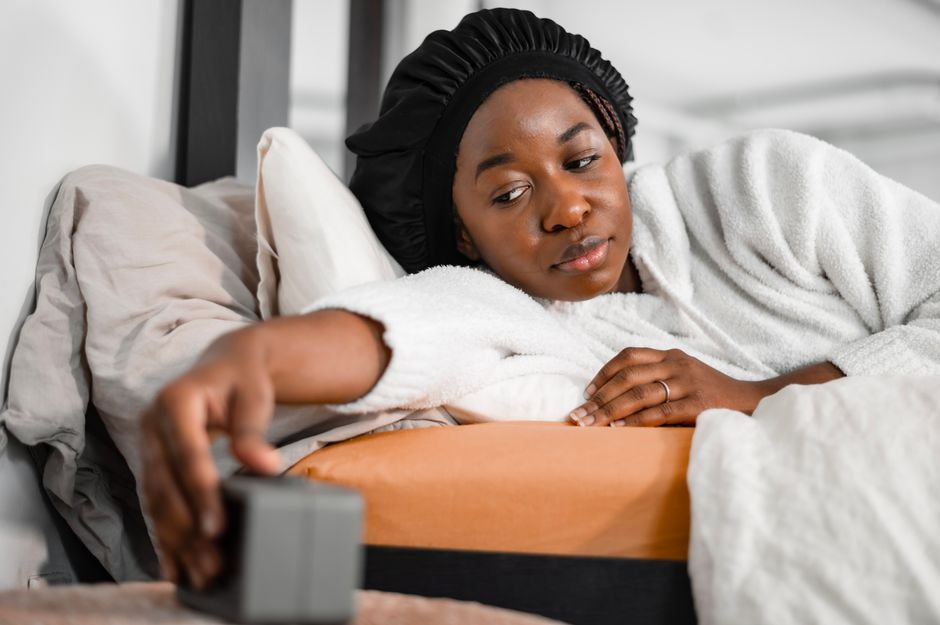
Waking up at night is normal. Sleep scientists have known for decades that the human brain does not sleep in one solid block. Brief awakenings between sleep cycles are part of healthy sleep architecture. The problem is not that you wake up — it is that you wake up and cannot get back to sleep, or that something is pulling you out of deep sleep night after night. Fixing that usually means working on a small number of specific things: your sleep pressure, your circadian timing, your environment, and any medical condition that is fragmenting your sleep.
Why Do I Keep Waking Up At Night?
Most nighttime awakenings trace back to one of a few causes, and identifying yours is the first real step. Sleep happens in cycles of roughly 90 minutes, moving through light sleep, deep sleep, and REM sleep. At the end of a cycle, the brain briefly surfaces toward lighter sleep. This is a normal transition. If conditions are right, you slip back under within seconds and do not remember it.
You wake up fully when something interrupts that transition. Common culprits include:
- Environmental triggers — light, noise, a room that is too warm, or a partner moving
- Alcohol — it helps people fall asleep but fragments sleep in the second half of the night
- Caffeine — its effects can last many hours, longer than most people realize
- Sleep apnea — repeated pauses in breathing that jolt the brain awake, often without the person noticing
- Anxiety or a racing mind — especially waking in the early hours and being unable to settle
- Blood sugar shifts, reflux, or an overactive bladder
- Age-related changes — sleep becomes lighter and more fragmented as people get older
One clarification worth making: waking briefly is not a sign of poor sleep. Waking and staying awake for long stretches, or waking so often that you feel unrefreshed in the morning, is the signal that something needs attention.
How Do I Build Enough Sleep Pressure To Stay Asleep?
Sleep pressure is the biological drive to sleep that builds the longer you stay awake. It is governed partly by a compound called adenosine, which accumulates in the brain during wakefulness and creates the feeling of sleepiness. The more steadily it builds, the more solidly you sleep.
Several everyday habits interfere with that buildup. Long or late naps reduce sleep pressure so it is weaker at night. Sleeping in on weekends after a bad night can reset your internal clock in the wrong direction. And lying in bed awake for long stretches teaches the brain to associate bed with frustration rather than sleep.
The practical implication is consistent: keep a regular wake time even after a rough night, keep naps short and early if you take them, and get out of bed if you have been awake for a while rather than fighting it. Some clinicians recommend a period of roughly 20 minutes awake in bed before getting up, though the exact cutoff is a matter of clinical judgment rather than a fixed rule.
How Does Light Control When I Sleep?
Light is the strongest signal your body uses to set its internal clock. Morning light tells the brain it is daytime and helps anchor the timing of sleep later that night. Bright light in the evening — from screens, overhead lighting, or a late sunset in summer — can delay the release of melatonin and push your sleep timing later.
Getting outside in natural light soon after waking is one of the more reliable ways to strengthen your circadian rhythm. Dimming lights in the hour or two before bed supports the natural rise in melatonin. This is well-established physiology, not a marketing claim.
What is less certain is how much blue-light-blocking glasses or screen filters actually help. The evidence is mixed, and the brightness and timing of light exposure likely matter more than the color alone. Reducing overall evening light exposure is the more dependable approach.




What Should I Change In My Bedroom?
The bedroom environment matters because it determines how easily you slide back into sleep after a normal awakening. Cool, dark, and quiet are the three pillars, and each has a clear biological basis.
Core body temperature drops as you fall asleep, and a room that is too warm makes that harder. Most sleep guidance points toward a cooler bedroom, though comfortable temperature varies by person. Darkness supports melatonin release. Noise — even low-level sounds — can pull you toward lighter sleep without fully waking you, which leaves you feeling unrested.
Two less obvious points are worth attention. First, a clock within view can create anxiety each time you check it, which makes falling back asleep harder. Turning it away is a simple, evidence-aligned change. Second, if you share a bed, a partner’s snoring or movement may be fragmenting your sleep more than you realize.
What Role Do Alcohol And Caffeine Play?
Alcohol and caffeine are two of the most common self-inflicted causes of fragmented sleep, and both are widely misunderstood.
Alcohol is a sedative. It shortens the time it takes to fall asleep, which is why people reach for it. But as the body metabolizes it during the night, sleep becomes lighter and more disrupted, particularly in the second half. This is a well-documented pattern, not a matter of individual sensitivity.
Caffeine blocks adenosine — the same compound that builds sleep pressure. Its half-life varies widely between people, but it can remain active in the body for many hours. A late-afternoon coffee can still be measurably affecting sleep at bedtime for some people. Cutting caffeine earlier in the day is one of the most reliable changes for people who wake repeatedly.
When Should I See A Doctor About Waking Up At Night?
Some causes of nighttime waking need medical attention, and missing them means no amount of habit change will fully fix the problem. The most important is obstructive sleep apnea, in which the airway repeatedly narrows or closes during sleep. It causes brief awakenings that the person usually does not remember, along with loud snoring, gasping, and daytime fatigue.
Sleep apnea is common and underdiagnosed. Untreated, it is associated with cardiovascular problems, so it is worth raising with a clinician rather than working around. Signs that point toward a medical evaluation include loud snoring with pauses in breathing, waking with a dry mouth or headache, and persistent daytime sleepiness despite adequate time in bed.
Other conditions worth discussing with a clinician include restless legs syndrome, chronic acid reflux, an overactive bladder, and depression or anxiety that disrupts sleep. Frequent nighttime urination in particular can have several underlying causes and should not simply be accepted as a normal part of aging.
What Should I Do When I Wake Up And Can’t Fall Back Asleep?
The way you respond to a nighttime awakening shapes what happens next. Lying in bed awake, frustrated, strengthens the association between bed and wakefulness over time. This is the basis of a well-supported behavioral approach called stimulus control.
The general approach is to keep the bed for sleep, get up if you have been awake for a stretch, and do something quiet in dim light until you feel sleepy again. Avoid bright screens and clocks. Return to bed when drowsiness returns rather than when frustration peaks. This is the core of cognitive behavioral therapy for insomnia, or CBT-I, which is widely regarded as the first-line treatment for chronic insomnia and is generally preferred over sleep medication for long-term use.
If you are consistently waking at the same time each night and staying awake, that pattern is also worth mentioning to a clinician, because it can point to specific causes worth investigating.
Frequently Asked Questions
Is it normal to wake up multiple times during the night?
Yes. Brief awakenings between sleep cycles are a normal part of healthy sleep, and most people do not remember them. It becomes a problem only when awakenings are frequent enough or long enough that you feel unrefreshed during the day.
Why do I wake up at 3am and can’t go back to sleep?
Waking in the early hours is common and often linked to alcohol, stress, or a disrupted body clock. If it happens most nights, it is worth discussing with a clinician, since it can also be a sign of sleep apnea or another treatable condition.
Does alcohol help you sleep through the night?
No. Alcohol can help you fall asleep faster, but it fragments sleep in the second half of the night and reduces sleep quality. This pattern is well documented in sleep research.
When should I see a doctor about nighttime waking?
See a clinician if you have loud snoring with pauses in breathing, persistent daytime fatigue, or awakenings that continue despite good sleep habits. These can signal sleep apnea or another condition that needs proper evaluation.
