
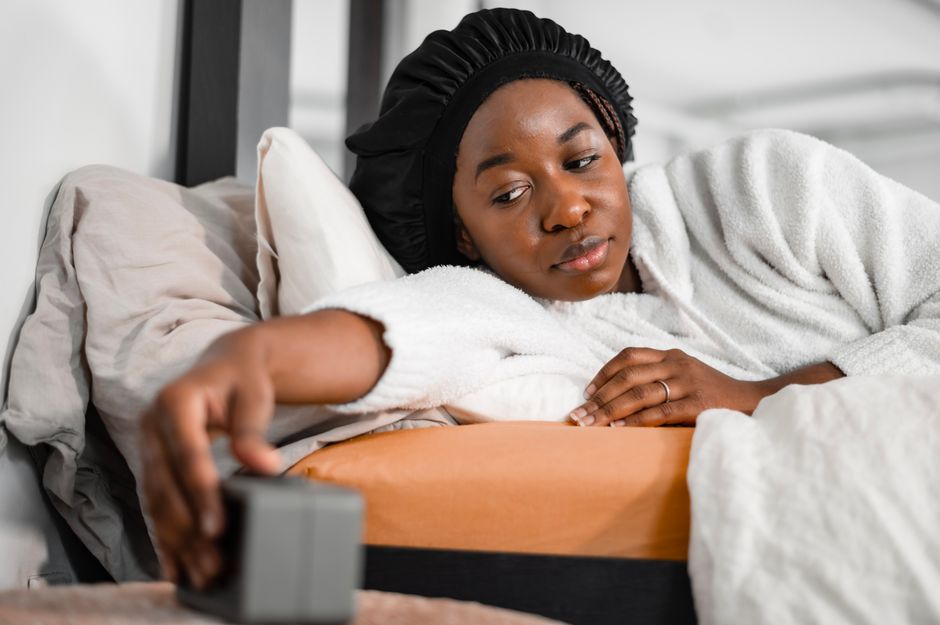
You cannot force yourself to sleep lightly. Sleep depth is controlled by your brain and body, not your willpower. But you can shape the conditions that make lighter sleep more likely, and you can do several things that reliably improve how alert you feel when you wake up.
The idea that you can “choose” light sleep is a misunderstanding worth clearing up early. What people usually mean by sleeping lightly is one of two things. Some want to stay easy to wake, perhaps as a new parent or a caregiver. Others simply want to stop waking up groggy and foggy. These are different goals, and they call for different approaches.
What Actually Controls How Deeply You Sleep?
Sleep depth is set by two systems working together. The first is your circadian rhythm, an internal clock that runs on roughly a 24-hour cycle and is reset mainly by light. The second is sleep pressure, a build-up of a chemical called adenosine that accumulates the longer you stay awake.
When both are aligned, you fall asleep quickly and move through the night in cycles. When they are out of step, you get lighter, more broken sleep. This is why a late night on a bright screen can leave you sleeping poorly even if you feel tired.
Each night you cycle through stages of sleep. Non-REM sleep begins light and deepens into slow-wave sleep, when the brain is hardest to rouse. REM sleep, when most dreaming happens, is closer to wakefulness in brain activity. A full cycle takes roughly 90 minutes, and you pass through lighter stages several times a night whether you notice or not.
Here is a point many people miss. You already sleep lightly for a large part of every night. The lighter stages are not a failure. They are part of normal architecture, and your brain uses them to transition between deeper and more active sleep.
How Can You Make Your Sleep Lighter on Purpose?
You can nudge your sleep toward lighter stages by reducing the signals that drive deep sleep and by keeping your sleep environment easy to wake from. This is useful for people who need to be responsive at night, such as parents of young children.
Keep these levers in mind:
- Sleep in shorter stretches rather than long uninterrupted blocks. Longer sleep tends to allow more deep sleep to accumulate.
- Avoid heavy exercise or a large meal close to bedtime, both of which can deepen early sleep.
- Keep the room at a comfortable but not overly warm temperature, and avoid total darkness if you need to sense your surroundings.
- Set an alarm, and place it within easy reach so a light stage is easier to surface from.
The honest limitation: no method reliably lets you control exactly which sleep stage you are in at a given moment. These steps shift the odds. They do not give you a switch.
Why Do You Wake Up Groggy Even After Enough Sleep?
Waking up groggy is often about timing, not total sleep. If an alarm pulls you out of deep slow-wave sleep, you can feel foggy for a while even after a full night. This is called sleep inertia, and it is a normal response to being woken from a deep stage.
Sleep inertia usually fades within a short period, but it can feel much longer. Waking naturally, or waking from a lighter stage, tends to leave you more alert. This is why the same amount of sleep can feel refreshing one morning and terrible the next.
Other common causes of a heavy, unrefreshed feeling include:
- Not enough total sleep, which builds up over several nights.
- Irregular sleep and wake times that keep your body clock out of step.
- Alcohol in the evening, which can fragment sleep in the second half of the night.
- Untreated sleep problems such as sleep apnea, which repeatedly interrupts breathing and sleep.
If you regularly wake unrefreshed despite enough time in bed, and especially if you snore heavily or feel sleepy during the day, that pattern is worth raising with a clinician. Persistent unrefreshing sleep is a recognized symptom that can point to an underlying disorder, and it is not something to simply push through.
How To Sleep Lightly And Wake Up Alert: What Helps Most
The most reliable way to wake up alert is to keep a consistent sleep and wake schedule and get enough total sleep. Regular timing stabilizes your body clock, so your brain is closer to wakefulness when your alarm goes off.
These steps have the strongest support:
- Keep wake time steady, even on weekends. A consistent wake time anchors your body clock more than bedtime does.
- Get morning light. Daylight in the first part of the day helps set your clock and supports alertness.
- Limit alcohol and caffeine late in the day. Caffeine can stay in your system for hours, and alcohol fragments sleep.
- Use a gentle wake-up. A light-based alarm or a gradual sound can soften the jolt of waking from deep sleep, though the evidence for these devices is limited.
- Give yourself a few minutes. A short stretch and some daylight help you shake off sleep inertia faster than lying still.
One clarification worth making: the popular idea that you can train yourself to need less sleep is not supported. Sleep needs are largely set by biology. You can change when you sleep and how consistent you are, but you cannot safely train away the need for adequate rest.
Does Light Sleep Mean Poor Sleep?
No. Light sleep is a normal and necessary part of a healthy night. The concern is not light sleep itself but sleep that is broken, too short, or repeatedly interrupted.
What matters for how you feel is the overall pattern: enough total sleep, a regular schedule, and few awakenings. A night with plenty of light stages can still leave you refreshed if the total is adequate and your timing is steady.
This is where many people misread their own sleep. Waking briefly between cycles is common and often forgotten by morning. Tracking apps can make normal, brief awakenings look alarming. A single number from a device does not define whether your sleep was good.
When Should You Get Help?
Talk to a clinician if poor sleep is persistent and affects your daytime function. Warning signs include loud snoring with pauses in breathing, gasping or choking during sleep, falling asleep during the day, or feeling unrefreshed most mornings despite enough time in bed.
These can signal conditions such as sleep apnea, which is treatable and worth identifying. This is not a case for self-experimentation. A clinician can assess whether something more than sleep habits is at play.
For most people, the path to waking alert is unglamorous: steady timing, enough sleep, morning light, and less alcohol and late caffeine. There is no trick that replaces these basics, and claims otherwise tend to outrun the evidence.
Frequently Asked Questions
Can you train yourself to sleep lightly?
You can nudge your sleep toward lighter stages with shorter sleep blocks and a less deeply sleep-inducing environment, but no method gives reliable control over which stage you are in. Light sleep already makes up a large part of every normal night.
Why do I wake up groggy even after eight hours?
Waking from deep slow-wave sleep, called sleep inertia, can leave you foggy even after a full night. Consistent wake times and enough total sleep reduce how often this happens.
Is light sleep bad for you?
No, light sleep is a normal and necessary part of a healthy night. What matters is enough total sleep, a regular schedule, and few interruptions rather than the amount of light sleep itself.
What is the fastest way to feel alert after waking?
Getting daylight and moving a little shortly after you get up helps most people shake off grogginess. Keeping a steady wake time makes mornings easier over time.
