
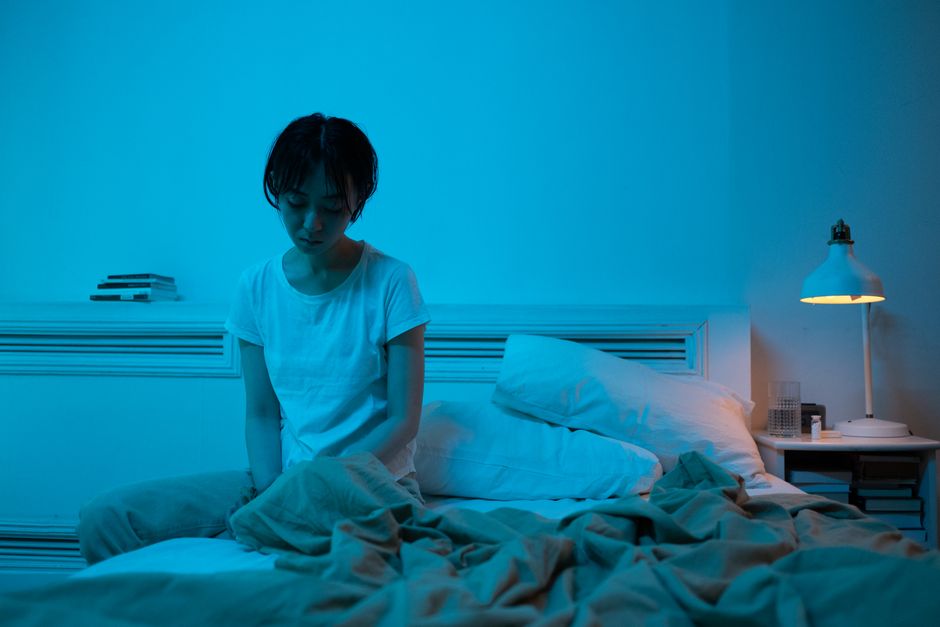
Sleeping alone can feel hard because the brain treats being alone in the dark as a mild threat. It stays alert, listening for sounds and scanning for danger. The fix is not to force yourself to relax. It is to teach your body, night after night, that the bedroom is a safe and boring place. That means a steady bedtime routine, less time lying awake in frustration, and calming your nervous system before your head hits the pillow.
Why Does Sleeping Alone Feel Scary?
Your brain is doing its job. Being alone in the dark was risky for most of human history, so the nervous system is wired to stay a little alert when no one else is around. That alertness is called hyperarousal. It is a state of physical readiness, not a character flaw.
When you sleep alone, small sounds feel louder. A creak becomes a threat. Your heart rate may rise. The body shifts into a low-level stress response, and sleep becomes harder to start and easier to break.
Anxiety feeds this loop. You worry you will not sleep. You check the clock. The worry itself keeps you awake. Then the next night you dread bedtime, and the dread makes sleep even harder. Researchers who study insomnia describe this pattern as a cycle of arousal and worry that repeats itself.
There is another piece many people miss. The brain does not fully switch off its threat-detection system during sleep. It keeps a light watch, especially in the first part of the night. That is normal. It is why a strange noise can wake you even when you feel safe. Knowing this can help. It means the flicker of alertness you feel is not a sign something is wrong. It is ordinary biology.
How To Sleep By Yourself Without Fear Or Anxiety?
The core approach is to make bedtime predictable and to stop treating the bed as a place of struggle. Research consistently shows that a regular routine and a consistent wake time matter more than any single trick.
Here is what helps, based on established sleep science:
- Wake up at the same time every day. This includes weekends. A steady wake time sets your body clock more reliably than a steady bedtime.
- Get daylight in the morning. Light in the first hours after waking helps set your internal clock and makes sleep come more easily at night.
- Keep a short wind-down routine. The same few steps each night signal to your brain that the day is ending. Dim the lights. Lower the volume. Slow down.
- Only go to bed when you feel sleepy. Tired is not the same as sleepy. Wait for heavy eyelids.
- Get out of bed if you are wide awake. If you have been lying awake and frustrated, get up and do something quiet in low light until you feel sleepy again. This is a standard part of cognitive behavioral therapy for insomnia, the first-line treatment for chronic insomnia.
- Put the clock out of view. Watching the minutes pass increases worry and arousal.
None of this works in one night. The goal is repetition. You are training your brain to link the bed with sleep, not with fear.
How Do I Calm My Mind When I’m Alone at Night?
Calming the body first is often easier than calming the mind. The two are connected, and slowing your breathing can lower physical arousal within a few minutes.
Slow breathing is well established as a way to shift the nervous system toward a calmer state. Breathe in gently through your nose. Let the out-breath be a little longer than the in-breath. Keep it comfortable. Do not force it. A few minutes is enough.
For the racing thoughts, try a simple technique. Picture each worry as a separate item and set it aside for morning. Some people keep a notepad by the bed and write worries down. Getting them out of your head and onto paper can reduce the mental loop.
Guided audio can help too. A calm voice reading something dull and steady gives your attention somewhere to rest. It also makes the room feel less empty. Choose content that does not pull you in, like a sleep story or soft narration.
What does not help is trying harder. Effort signals to the brain that sleep is important and urgent, which raises arousal. The goal is to let sleep come, not to chase it.
What Should I Do If I Wake Up Scared in the Night?
Waking in the night is normal. Most people wake briefly between sleep cycles and do not remember it. The problem starts when you wake and then panic about being awake.
When you wake scared, keep the lights low. Do not check the time. Take a few slow breaths and remind yourself that waking at night is ordinary. If you can, stay in bed and let yourself settle.
If you are fully awake and your mind is racing, get up. Sit somewhere quiet in dim light. Read something calm or listen to soft audio. Go back to bed when you feel sleepy. This keeps the bed from becoming a place of frustration.
Nightmares and night terrors are different from ordinary night waking. Nightmares are vivid dreams that wake you with distress and a clear memory of the dream. They are common and often respond to treatment. If they happen often and affect your days, talk to a doctor or a mental health professional. Established therapies exist for recurrent nightmares, and they are worth asking about.
When Should I Get Help for Sleep Anxiety?
Talk to a doctor or mental health professional if fear of sleep is affecting your daily life. Signs that it is time to seek help include:
- Lying awake in distress most nights for weeks or longer
- Dreading bedtime every night
- Daytime problems with mood, focus, or energy that affect work or relationships
- Avoiding sleeping alone to the point that it limits your life
- Panic symptoms at night, such as a racing heart or shortness of breath
Cognitive behavioral therapy for insomnia, often called CBT-I, is the recommended first-line treatment for chronic insomnia in adults. It is structured, time-limited, and well studied. It targets the thoughts and behaviors that keep sleep problems going. Some clinicians also treat co-occurring anxiety or depression, since the two often travel together.
Sleeping aids, both prescription and over-the-counter, are not a long-term answer for most people. Some carry risks of dependence or next-day grogginess. Ask a doctor or pharmacist before using them, especially if you take other medicines.
Can Fear of Sleeping Alone Go Away?
Yes. Fear of sleeping alone is a learned response, and learned responses can change. The process takes time and repetition, not willpower.
Progress usually looks uneven. Some nights are easier. Then a hard night comes back. That is normal and does not mean you are failing. What matters is the overall direction over weeks.
Two things tend to help most. First, keep the routine steady even on good nights, so your brain keeps learning the pattern. Second, be patient with yourself. Anxiety about sleep is common, and it responds to consistent, gentle practice. If it does not improve with self-help, professional support is a reasonable next step, not a last resort.
Frequently Asked Questions
Why am I scared to sleep alone at night?
Being alone in the dark triggers a natural alertness response in the nervous system, and worry about not sleeping can keep that alertness going. This is common and not a sign of weakness.
How long does it take to stop fearing sleep?
There is no fixed timeline, and it varies from person to person. Most people notice gradual change over weeks of consistent routine, not days.
Is it bad to sleep with a light on?
Light exposure at night can interfere with the body clock and melatonin release, so it is generally better to keep the room dark. If you need light to feel safe, use a dim, warm night light rather than a bright one.
Should I take melatonin for sleep anxiety?
Melatonin is not a treatment for anxiety, and evidence for its use in most sleep problems is limited. Talk to a doctor before using it, especially if you take other medicines or are pregnant or breastfeeding.
