
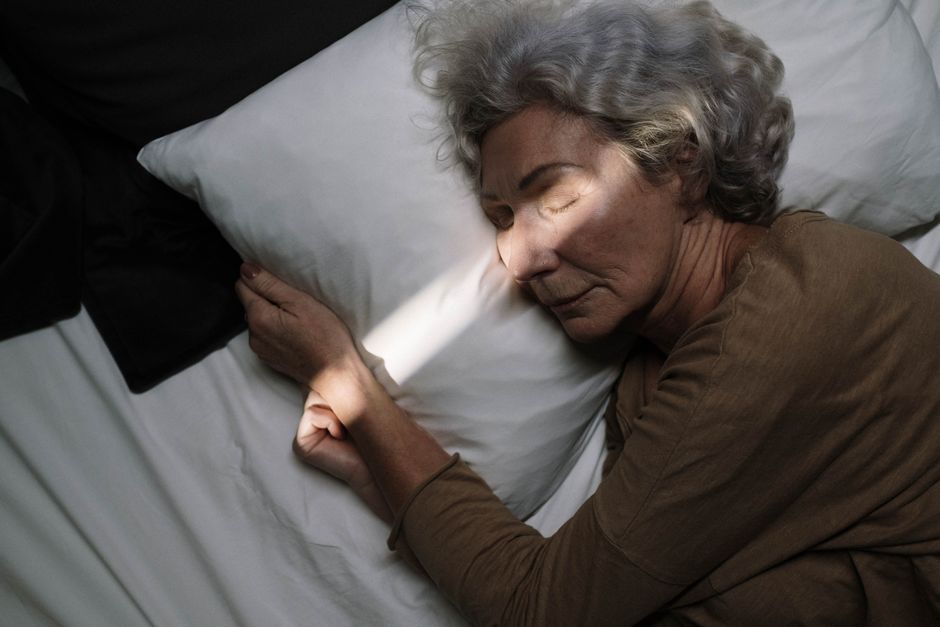
After thyroid surgery, the hardest part of recovery is often the first few nights of sleep. The safest and most comfortable position after a thyroidectomy is on your back with your head and upper body raised about 30 to 45 degrees, using two or three pillows or a wedge. This position reduces swelling and fluid buildup at the incision, takes tension off the neck, and makes it easier to breathe. Sleeping on your stomach or flat on your back can pull at the surgical site and worsen soreness.
Most people find the first two to three nights are the toughest, then things improve steadily. What you do with your pillows, your pain medicine timing, and your room setup matters more than any single trick.
Why Does Sleeping After Thyroidectomy Feel So Uncomfortable?
The neck is one of the hardest places to rest. Every time you swallow, turn your head, or sit up, you use muscles that sit right next to the incision. That is why the soreness feels constant for the first few days.
There is also fluid to think about. After any surgery, the body sends extra fluid and immune cells to the area to start healing. In the neck, that fluid has nowhere much to go, and it can pool around the incision. Gravity is your ally here. Keeping your head higher than your chest helps that fluid drain away from the surgical site instead of collecting there.
Breathing changes too. General anesthesia and the breathing tube used during surgery can leave your throat raw and your airway a little swollen. Lying flat can make that feel worse. Propping up your upper body keeps your airway more open.
None of this means something is wrong. It means your body is doing exactly what it is supposed to do. The goal of good sleep positioning is to work with that healing process, not fight it.
What Is the Best Sleeping Position After Thyroidectomy?
Back sleeping with the head elevated is the position most surgeons recommend. Aim for your head and shoulders to be raised roughly 30 to 45 degrees — think of a recliner that is partway back, not fully upright.
Here is how to build that position with what you already own:
- Use a wedge pillow as your base. A wedge gives steady, even support that stacked pillows cannot match.
- Add one or two regular pillows on top of the wedge to fine-tune the angle.
- Place a rolled towel or small pillow under each side of your neck for gentle support.
- Put a pillow under your knees. This takes pressure off your lower back when you sleep elevated.
If you do not have a wedge pillow, a recliner works well. Many people find the first two or three nights are easiest in a recliner because it holds the angle for you and makes it simpler to get up without straining your neck.
Some people are natural side sleepers and struggle on their back. If you must sleep on your side, sleep on the side away from any drain or the more tender side, and keep your head propped so your neck stays neutral. Do not let your chin drop toward your chest.
Which Positions Should You Avoid?
Stomach sleeping is the position to avoid most. Lying face down forces your neck into a turned and extended position for hours. That pulls directly on the healing incision and the muscles around it.
Flat-on-your-back sleeping is the next one to skip, at least for the first week or so. Without elevation, fluid collects near the incision and your throat can feel more swollen when you wake up.
Also avoid sleeping with your neck twisted or your chin tucked down. Both put uneven tension on one side of the surgical area. If you wake up and find your head has rolled to one side, just gently reposition — no harm done.
One practical note: getting into and out of bed is often more painful than the sleeping itself. Roll onto your side, push up with your arms, and keep your head and neck in line with your spine as you rise. Do not pull yourself up by your neck.





What Practical Tips Help You Sleep Better the First Week?
Set up your sleep space before surgery if you can. Fumbling with pillows while you are sore and tired is harder than it sounds.
Take your pain medication on schedule, including at bedtime. Pain is one of the main reasons people cannot fall asleep after surgery. If your surgeon gave you a schedule, follow it rather than waiting until the pain gets bad. Staying ahead of pain works better than chasing it.
Keep everything you need within arm’s reach — water, phone, charger, tissues, lip balm, and any medication. Reaching and stretching wake you up and can strain your neck.
Use a humidifier. Dry air irritates a raw throat and makes coughing more likely, and coughing after neck surgery is uncomfortable. Moist air helps.
Sleep with your head elevated even for short naps. A quick nap flat on the couch can undo a good night’s setup.
Limit screen time and bright light in the hour before bed. This is standard sleep hygiene, and it matters more when you are recovering and your body clock is already thrown off by surgery and anesthesia.
If you normally sleep with a partner, consider sleeping alone for the first few nights. An accidental elbow or a shifting mattress can jolt your neck.
How Long Will Sleep Be Difficult?
Most people notice the worst sleep difficulty in the first two to three nights. After that, soreness tends to ease and sleep gets easier, though it varies from person to person.
Many people can return to their normal sleeping position within one to two weeks. Some take longer, especially if there was more extensive surgery or a neck dissection. Your surgeon’s instructions should guide this, since recovery timelines differ based on what was done during your operation.
If you had a drain placed, ask your surgeon when it will be removed and whether that changes your sleeping position. Drain care instructions vary.
Call your surgeon’s office if you have trouble breathing, if swelling in your neck is getting worse instead of better, if you develop a fever, or if you cannot swallow. These are not normal parts of recovery and need to be checked.
Does Sleep Position Affect Your Recovery?
Sleep itself supports healing. Poor sleep raises stress hormones and can make pain feel sharper. So getting decent rest is not a luxury after surgery — it is part of recovery.
Position matters mainly for comfort and swelling control. Elevating your head helps reduce fluid pooling near the incision. It also keeps your airway open if your throat is swollen. These are well-understood effects of gravity and body mechanics.
What position does not do is speed up how fast your incision heals or change your long-term outcome. No sleeping position has been shown to affect surgical results. So do not stress about getting it perfect. Get comfortable, keep your neck supported, and let your body rest.
Frequently Asked Questions
How should I sleep after thyroidectomy?
Sleep on your back with your head and upper body raised about 30 to 45 degrees, using a wedge pillow or a recliner. This reduces swelling at the incision and keeps your airway open.
Can I sleep on my side after thyroid surgery?
Side sleeping is usually possible if you keep your head propped so your neck stays straight and avoid the more tender side. Back sleeping with elevation is preferred for the first several nights.
How long do I need to sleep elevated after thyroidectomy?
Most people sleep elevated for about one to two weeks, then return to their normal position as soreness fades. Follow your surgeon’s guidance, since recovery time varies with the type of surgery.
Why is it hard to sleep after thyroidectomy?
Neck soreness, throat irritation from the breathing tube, and fluid buildup near the incision all make sleep uncomfortable at first. Elevating your head and staying on top of pain medication helps.
