
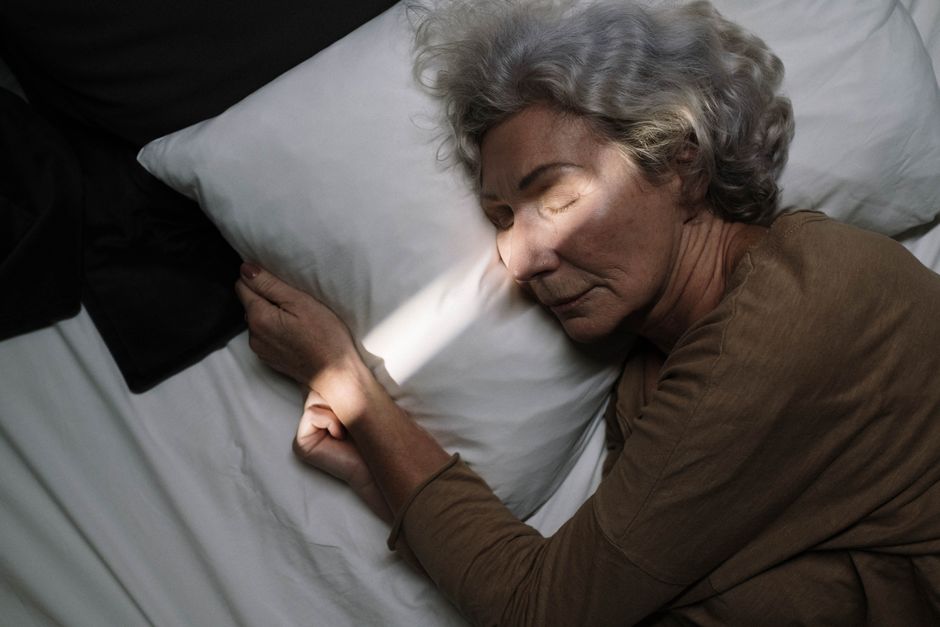
Sleeping after a hip replacement is one of the hardest parts of recovery. The first few nights at home are often the most difficult. Your body needs rest to heal, but finding a comfortable position that protects your new joint can feel impossible.
The short answer is that you should sleep on your back with a pillow between your legs, or on your non-surgical side with pillows stacked between your knees. You must avoid sleeping on your stomach or on the side of your surgery. These positions protect the new joint while it heals.
Why Is Sleeping So Hard After Hip Replacement?
Several things happen after surgery that make sleep difficult. Pain is the most obvious one. Swelling also builds up when you lie flat. And your muscles around the new joint are weak from the surgery itself.
Anesthesia can disrupt your sleep cycle for days. Some medications used for pain control can interfere with deep sleep. You might also feel anxious about moving the wrong way and damaging the new joint. This worry keeps many people tense and alert at night.
Most surgeons use an incision approach that protects certain muscles and tendons. But the healing process still requires you to follow specific movement rules. These rules, often called hip precautions, limit how far you can bend or rotate your hip. They exist to prevent the new joint from dislocating.
What Is The Safest Position To Sleep In?
Sleeping on your back is the safest position after a hip replacement. This keeps your hip in a neutral, straight line. It places no twisting force on the joint.
Place one pillow under your head and neck for comfort. Do not stack pillows high under your knees. A slightly elevated knee position is fine, but too much bend can strain the hip flexor muscles. A small pillow under your calves can reduce lower back strain without bending the hip too much.
If you are a side sleeper, you can sleep on the side that did not have surgery. This is called the non-operative side. You must place a firm pillow between your knees and ankles. This pillow keeps your hips aligned and prevents your top leg from crossing the midline of your body.
Sleeping on the side of your surgery is not recommended for at least six weeks. The pressure on the healing incision is uncomfortable. More importantly, the position can put stress on the soft tissues that hold the new joint in place.
What Positions Should You Avoid?
Sleeping on your stomach is the least safe position. It forces your hip into extension and internal rotation. Both of these movements are restricted after surgery. This position also twists your spine and neck.
Avoid curling up in a fetal position. This brings your knees toward your chest and flexes the hip beyond safe limits. If you naturally curl up, place a pillow between your knees and try to keep your legs relatively straight.
Do not cross your legs or ankles while lying down. Crossing the midline of your body is a common cause of hip dislocation after replacement surgery. This rule applies day and night.
Avoid sleeping on a very soft mattress that lets your body sink deeply. A medium-firm mattress provides better support for your healing hip. If your mattress is soft, placing a firm board under it can help, but check with your surgeon before making changes.
How To Sleep After Hip Replacement Positions Tips
Getting into bed safely is as important as the position itself. Sit on the edge of the bed first. Slide back until your surgical leg is close to the bed. Use your arms and your non-surgical leg to help lift your body onto the mattress.
Keep your surgical leg straight and in front of you as you lie back. Do not twist your body to get into bed. Move slowly and deliberately. Rushing increases your risk of falling, which is the biggest danger after hip replacement.
When getting out of bed, reverse the process. Slide to the edge of the bed. Lower your surgical leg off the side first. Push yourself up with your arms while keeping your surgical leg straight. Use a walker or crutches for balance once you stand.
Here are additional tips that help with sleep quality:
- Take your pain medication about 30 to 45 minutes before bed so it peaks while you are settling in.
- Apply ice to the hip for 15 to 20 minutes before sleep to reduce swelling and numb the area.
- Use a body pillow or multiple pillows to create a supportive nest around you.
- Keep a wedge pillow or extra pillows nearby to elevate your leg slightly.
- Set up a bedside commode or urinal to avoid unnecessary trips to the bathroom at night.
- Place a nightlight along the path to the bathroom to prevent falls.
Some people find sleeping in a recliner more comfortable for the first week. A recliner keeps your hip flexed at a safe angle and makes standing up easier. If you use a recliner, ensure it does not tip forward when you shift your weight.
How Long Do You Need To Follow These Rules?
Hip precautions are typically recommended for six to twelve weeks after surgery. The exact duration depends on the surgical approach your surgeon used and how your healing progresses.
Anterior approach surgery often has fewer restrictions. Posterior approach surgery usually requires more precautions for a longer period. Your surgeon will give you specific instructions before you leave the hospital. Follow those instructions rather than general advice.
After the precautions are lifted, you can gradually return to normal sleeping positions. Start by trying your surgical side for short periods during the day. If you feel pain or instability, return to the safer position and try again in a few days.
Many patients find they continue to prefer sleeping on their back or non-surgical side even after restrictions end. This is fine. Comfort and stability often become lifelong habits.
When Should You Call Your Doctor About Sleep Problems?
Some difficulty sleeping is normal for the first two to three weeks. Your body is healing, your medications may affect your sleep, and your routine is disrupted. This usually improves as pain decreases and you become more mobile.
Call your surgeon if you cannot sleep because of severe pain that medication does not control. Contact them if you notice new swelling, redness, or warmth in your leg. These could be signs of a blood clot or infection.
Seek emergency care immediately if you hear a pop in your hip, feel the joint slip out of place, or cannot bear weight on your leg. These are signs of dislocation. Dislocation requires prompt medical treatment to reposition the joint.
If you develop shortness of breath, chest pain, or sudden calf swelling, go to the emergency room. These symptoms can indicate a blood clot that has traveled to your lungs. This is a rare but serious complication.
Does Pillow Placement Really Matter?
Pillow placement is not about comfort. It is about biomechanics. A pillow between your knees keeps your top hip from rotating inward. This rotation is one of the movements most likely to cause dislocation.
The pillow needs to be firm enough to maintain its shape all night. A soft feather pillow flattens and allows your knees to touch. A firm foam or contour pillow works better. Place it between your knees and extend it down to your ankles.
Some patients use a specialized abduction pillow. This is a wedge-shaped foam pillow designed specifically for post-surgical hip positioning. Many hospitals provide one before discharge. If you do not have one, ask your physical therapist where to purchase one.
Using the wrong pillow is better than using no pillow. But the right pillow provides consistent protection through the night, even when you shift positions during sleep.
What Else Can Improve Your Sleep Quality?
Your sleeping position is only one factor. Your overall sleep environment and daily habits matter too.
Stay active during the day within your surgeon’s guidelines. Walking several times daily reduces nighttime restlessness. But avoid vigorous activity within three hours of bedtime.
Limit fluids in the evening to reduce nighttime bathroom trips. Getting up to use the bathroom is risky during early recovery because you are groggy and unsteady. Plan your last drink two hours before bed.
Keep your bedroom cool and dark. Use earplugs if noise bothers you. Consider a white noise machine to mask household sounds.
Do not use alcohol to help you sleep. Alcohol disrupts sleep architecture and can interact dangerously with pain medications. It also increases your risk of falls by affecting balance.
Frequently Asked Questions
How long should I sleep on my back after hip replacement?
Sleep on your back for at least six weeks after surgery. Your surgeon may extend this period depending on your surgical approach and healing progress.
Can I sleep on my non-surgical side after hip replacement?
Yes, sleeping on your non-surgical side is safe if you place a firm pillow between your knees and ankles. This pillow keeps your hips aligned and prevents your top leg from crossing the midline.
Is it safe to sleep in a recliner after hip replacement?
Yes, many patients find a recliner comfortable for the first week. It keeps your hip at a safe angle and makes standing easier, but ensure the recliner is stable and does not tip forward.
What happens if I roll onto my surgical side while sleeping?
Rolling onto your surgical side occasionally is unlikely to cause damage, but it may be uncomfortable. If you wake up in this position, gently roll onto your back. Call your surgeon if you feel a pop or severe pain.
Sleeping after hip replacement requires patience and planning. The position rules feel restrictive at first, but they protect the work your surgeon did. Most patients find that within a few weeks, the safer positions become natural and comfortable.
Your body heals fastest when you are well-rested. Follow the positioning guidelines, manage your pain, and do not hesitate to contact your care team with concerns. A good night of sleep is possible after hip replacement. It just takes a little extra effort at the start.
