
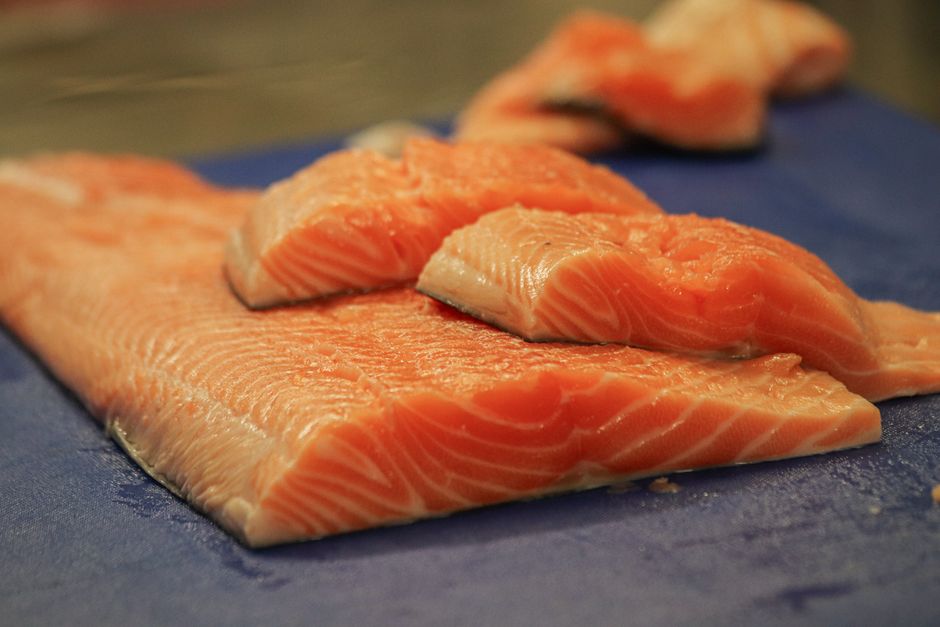
You can skin a trout either before or after cooking, and both work. Skinning before cooking gives you clean, skinless fillets that cook fast and never curl. Skinning after cooking is easier on whole fish because the skin peels away from the flesh once the fish is done. Which one you choose depends on how you plan to cook it.
How To Skin A Trout Before Or After Cooking?
The short answer is that both methods are valid, but they suit different situations. Skinning before cooking is the better choice when you want neat fillets, when you plan to pan-fry or poach, or when you don’t want to deal with skin at the table. Skinning after cooking is the better choice when you’re cooking a whole fish, when you want the skin to protect the flesh during roasting or grilling, or when you want the browned, crisp skin as part of the dish.
The skin on a trout is thin and the scales are small. That makes it easier to work with than the skin on many other fish. The flesh itself is delicate, so whichever method you pick, a sharp knife and a steady hand matter more than force.
One thing worth knowing: trout skin is edible. Whether you remove it is a matter of preference and cooking method, not safety. The skin doesn’t need to come off for the fish to be safe to eat.
How Do You Skin A Trout Before Cooking?
Skinning a raw trout fillet takes a few minutes once you get the angle right. The goal is to slide the knife between the flesh and the skin without cutting through either one.
Start with a fillet, skin side down, on a clean cutting board. Hold the tail end of the fillet with your non-knife hand and press it flat. With a thin, flexible knife, make a small cut at the tail end to separate the flesh from the skin. Then angle the blade slightly downward toward the skin and use a gentle back-and-forth sawing motion, keeping the blade nearly flat against the board.
As you move toward the head end, keep the skin taut by pulling it gently with your holding hand. The knife should glide along the skin, not through it. If you feel resistance, you’re cutting into the skin. Back off and reset the angle.
A few practical points help:
- Chill the fillet first. Cold flesh is firmer and easier to control.
- Use a thin, flexible fillet knife. A thick chef’s knife makes this harder.
- Pat the fish dry. A wet surface makes the fillet slip.
- Work on a board with a damp towel underneath so it doesn’t slide.
If you’re skinning a whole fish rather than a fillet, you’ll need to fillet it first. Skinning a whole trout intact is not practical. The standard approach is to fillet, then skin each fillet.
How Do You Skin A Trout After Cooking?
Skinning a cooked trout is often easier than skinning a raw one, especially for a whole fish. The heat loosens the connection between skin and flesh, and the skin lifts away in larger pieces.
Let the fish rest for a few minutes after cooking. Then, using a fork or your fingers, start at the tail or the edge of the fillet and peel the skin back. On a whole roasted or grilled fish, you can often lift the skin off in one or two pieces. On a pan-seared fillet, the skin may be crisp and will come away in fragments.
One caveat: if you cooked the fish with the skin on and it has stuck to the pan or grill, you may tear the flesh when you try to remove it. That’s a cooking-surface issue, not a skinning one. A well-oiled pan or a fish basket reduces the problem.
Skinning after cooking works best for whole fish and for methods like roasting, grilling, and steaming. It’s less reliable for delicate preparations where the flesh falls apart easily.
Which Method Should You Choose?
Pick based on how you’re cooking and what you want on the plate. There’s no single correct answer, and both approaches produce good results.
Skin before cooking when you want:
- Clean fillets that cook evenly and don’t curl
- Skinless fish for poaching, steaming, or making fish cakes
- Less mess at the table
- A milder flavor, since some people find the skin tastes stronger
Skin after cooking when you want:
- The skin to hold the flesh together during roasting or grilling
- Crisp, browned skin as part of the dish
- Less prep work before cooking
- Protection against the flesh drying out on the grill
The skin does act as a barrier during cooking. It helps hold moisture in and keeps delicate flesh from sticking and tearing. That’s a real advantage for whole fish and for high-heat methods. For quick pan-frying of fillets, skinning first is often simpler.
Does The Skin Affect Taste And Texture?
Yes, and the effect is noticeable. Trout skin has a stronger, slightly fishier flavor than the flesh. Some people like it; others don’t. Removing it before cooking gives a milder result. Leaving it on and crisping it adds texture and richness.
Texture matters too. Cooked trout skin can be crisp, soft, or gelatinous depending on the cooking method. Pan-frying and grilling tend to crisp it. Poaching and steaming leave it soft and slippery, which many people find unpleasant. If you’re poaching, skinning first is usually the better call.
There’s also a practical point about the dark strip of flesh just under the skin, sometimes called the bloodline. It has a stronger flavor than the rest of the fillet. Some cooks trim it away along with the skin. Whether you do is a matter of taste.
What About Scales And Pin Bones?
Trout have small scales, and most farmed and market trout are already scaled. If you’re working with a whole fish that hasn’t been scaled, run the back of a knife from tail to head to loosen and remove them before you do anything else. Scaling is easier before cooking and messy after.
Pin bones are a separate issue from skin. Trout have a line of small bones along the center of each fillet. You can feel them by running a finger along the flesh. They can be pulled out with tweezers or pliers before cooking. Skinning doesn’t remove them, and cooking doesn’t dissolve them. If you’re serving children or anyone who needs to avoid bones, check the fillets carefully regardless of which skinning method you use.
One clarification worth making: skinning and deboning are two different jobs. Removing the skin leaves the pin bones in place. Plan for both if bones are a concern.
How Should You Store And Handle Trout?
Trout is a perishable fish and needs cold handling. Keep it refrigerated and cook it promptly. The general guidance for fresh fish applies: store it cold, keep it away from other foods, and cook it within a short window. If you’re not cooking it the same day, freeze it.
Wash your hands, knives, and cutting boards with hot soapy water after handling raw fish. Cross-contamination is a real risk with any raw seafood. Keep raw trout separate from ready-to-eat foods in the fridge.
Cook trout until the flesh is opaque and flakes easily with a fork. The flesh should separate cleanly. These are the standard doneness cues for fish, and they’re reliable.
If you’re pregnant, have a weakened immune system, or are preparing fish for young children, follow established food safety guidance on seafood. The general direction is to cook fish thoroughly and avoid raw or undercooked preparations. If you’re unsure about a specific situation, ask a healthcare provider rather than relying on general rules.
Can You Skin Trout Without A Fillet Knife?
You can, but it’s harder. A thin, flexible blade is the right tool because it lets you follow the curve of the skin without cutting through. A paring knife can work on a small fillet if it’s sharp. A chef’s knife is too thick for clean skinning.
If you don’t have a fillet knife, you can also skin after cooking, which requires less precision. Peeling cooked skin away with your fingers or a fork doesn’t demand a special blade. For someone without the right knife, cooking first and skinning after is the more forgiving route.
Sharpness matters more than the specific knife. A dull blade tears the flesh and makes the job frustrating. Sharpen before you start.
Frequently Asked Questions
Is it easier to skin trout before or after cooking?
Skinning after cooking is usually easier, especially for whole fish, because heat loosens the skin from the flesh. Skinning before cooking takes more knife control but gives cleaner fillets.
Should you remove the skin from trout before cooking?
Not necessarily. The skin is edible and helps hold the fish together and retain moisture during cooking. Remove it before cooking if you prefer a milder flavor or plan to poach or steam the fish.
Can you eat trout skin?
Yes, trout skin is safe to eat and is often served crisp. Whether you eat it is a matter of taste, not safety.
Do you need to scale trout before skinning?
If the fish is already scaled, no. If it’s a whole unscaled fish, remove the scales first, since scaling is much harder after cooking.
