
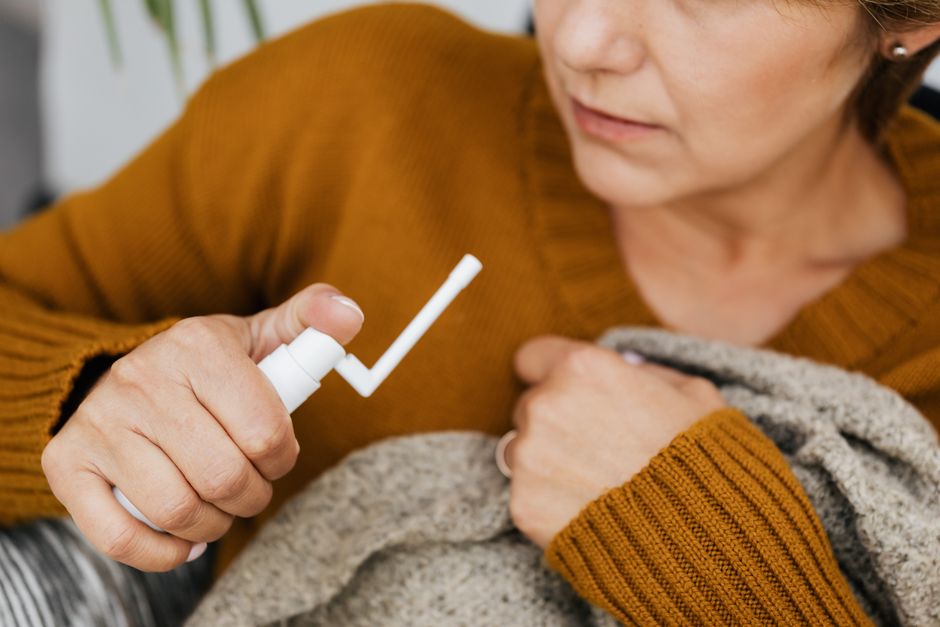
Tonsils can swell for many reasons, and adults often want them to shrink quickly. The honest answer is that no home remedy physically shrinks tonsil tissue, but many treatments can reduce the swelling that makes them look and feel larger. For true enlargement caused by chronic infection or other conditions, medical procedures are the only reliable way to permanently reduce tonsil size.
Why Do Adult Tonsils Become Enlarged?
Tonsils are lymph tissue at the back of your throat. They are part of your immune system and help trap germs that enter through your mouth and nose. In adults, enlarged tonsils usually come from one of three situations: acute infection, chronic inflammation, or naturally large anatomy.
Acute infections like strep throat or viral pharyngitis cause sudden swelling. The tonsils can double in size during an active infection. This type of swelling usually goes down on its own within one to two weeks as the infection clears.
Chronic inflammation is different. Repeated infections or ongoing irritation can cause scar tissue to form inside the tonsils. This makes them permanently larger. Some adults also simply have large tonsils their whole lives without any infection history.
Less commonly, enlarged tonsils in adults can signal other conditions. Sleep apnea, acid reflux, or rarely lymphoma can cause tonsil growth. If one tonsil is significantly larger than the other, or if enlargement persists for weeks without infection symptoms, medical evaluation is warranted.
How To Shrink Tonsils In Adults Treatments That Work
Treatments fall into two categories: managing active swelling and addressing permanent enlargement. The right approach depends entirely on why your tonsils are large.
For acute swelling from infection, anti-inflammatory medications are the most effective treatment. Nonsteroidal anti-inflammatory drugs (NSAIDs) like ibuprofen reduce the inflammatory response that causes tonsil swelling. These do not shrink the tissue itself but reduce the fluid and immune cell buildup that makes tonsils appear large.
For bacterial infections, antibiotics treat the underlying cause. Once the bacteria are eliminated, the inflammation resolves and tonsils return to their baseline size. Antibiotics do not directly shrink tonsils — they treat the infection driving the swelling.
For chronic or permanent enlargement, surgery is the only treatment that physically reduces tonsil size. A tonsillectomy removes the tonsil tissue entirely. Partial tonsillectomy, also called intracapsular tonsillectomy, removes the outer portion of the tonsil while leaving a thin layer of tissue. This reduces size while potentially causing less pain and fewer bleeding complications than full removal.
No medication, gargle, or supplement has been shown to permanently shrink tonsil tissue in adults. Products marketed for tonsil reduction are not supported by clinical evidence.
Home Remedies That Reduce Swelling Temporarily
Several home approaches can reduce the discomfort of swollen tonsils and may temporarily decrease visible swelling. These work by reducing inflammation or soothing irritated tissue.
Warm salt water gargles are a common recommendation. Mix half a teaspoon of salt in eight ounces of warm water and gargle several times daily. The salt draws fluid out of inflamed tissue through osmosis, which can temporarily reduce swelling. This is a temporary effect — the swelling returns as the tissue rehydrates.
Cold foods and drinks can numb the area and constrict blood vessels. Ice cream, cold water, or ice chips may provide relief. The vasoconstriction from cold can slightly reduce swelling for a short period.
Hydration is important. Dehydration thickens mucus and can make throat tissues more irritated. Drinking adequate fluids keeps throat tissues moist and may reduce the sensation of swelling even if the physical size does not change dramatically.
Honey has mild antimicrobial and anti-inflammatory properties. Some research suggests it can soothe sore throats, though it has not been specifically studied for tonsil shrinkage. Avoid honey in children under one year due to botulism risk.
These remedies are comfort measures, not cures. They do not change the underlying size of tonsil tissue.





Medical Treatments for Chronic Tonsil Enlargement
When enlarged tonsils cause breathing problems, swallowing difficulty, or repeated infections, medical treatment may be necessary. The threshold for intervention depends on symptom severity rather than tonsil size alone.
Adults with tonsils that touch in the middle (grade 3 or 4 enlargement) may experience obstructive sleep apnea. This condition causes breathing pauses during sleep and is associated with serious health consequences including high blood pressure and daytime fatigue. For these patients, tonsillectomy is a well-established treatment.
Recurrent tonsillitis is another common reason for surgery. The standard clinical threshold is seven or more episodes in one year, five or more episodes per year for two consecutive years, or three or more episodes per year for three years. These numbers come from established clinical guidelines for tonsillectomy in adults.
Tonsillectomy is performed under general anesthesia and takes about 30 to 45 minutes. Recovery typically takes one to two weeks in adults. Pain is often significant, especially in adults, and the risk of post-surgical bleeding is higher in adults than in children.
Steroid medications can temporarily reduce tonsil swelling in certain situations. Oral corticosteroids are sometimes prescribed for severe acute swelling that threatens breathing. These are short-term treatments with significant side effects and are not appropriate for chronic management.
When Enlarged Tonsils Signal Something Else
Not all tonsil enlargement is the same. Certain features should prompt prompt medical evaluation rather than home treatment.
One tonsil that is noticeably larger than the other — called asymmetric tonsils — warrants evaluation. While this is often benign, it can occasionally indicate a tumor or lymphoma. An ear, nose, and throat specialist can assess whether imaging or biopsy is needed.
Ulceration, a gray or white coating that does not improve with antibiotics, or tonsils that feel rock-hard are also concerning signs. These features are not typical of routine infection and require professional assessment.
Persistent enlargement lasting more than three weeks without clear infection symptoms should be evaluated. While most cases are benign, ruling out more serious conditions is important.
Adults who snore loudly, wake gasping, or feel excessively tired during the day may have sleep apnea related to tonsil size. This condition is diagnosed with a sleep study and can be treated effectively with tonsillectomy when tonsils are the cause.
What Does Not Work for Shrinking Tonsils
Many products and practices claim to shrink tonsils. None have reliable clinical evidence behind them.
Essential oil gargles, apple cider vinegar rinses, and herbal supplements are frequently marketed for tonsil health. No clinical trials have confirmed these reduce tonsil size. Some of these products can actually irritate throat tissue and worsen inflammation.
Tonsil stones, or tonsilloliths, are sometimes confused with tonsil enlargement. These are calcified debris that collect in tonsil crypts. Removing tonsil stones does not shrink the tonsils themselves. Gargling and gentle manual removal can dislodge stones, but the tonsil tissue remains the same size.
Laser treatments and coblation therapy exist for tonsil reduction in some clinics. Evidence for these procedures is limited compared to traditional tonsillectomy. Some clinicians offer them for mild cases, but long-term outcomes and complication rates are not as well documented as surgical tonsillectomy.
Frequently Asked Questions
Can gargling salt water shrink tonsils?
Salt water gargling can temporarily reduce swelling by drawing fluid out of inflamed tissue, but it does not permanently shrink tonsils. The effect lasts only a short time after gargling.
How long does tonsil swelling last in adults?
Swelling from an acute infection typically resolves within one to two weeks as the infection clears. Swelling that lasts longer than three weeks without improvement should be evaluated by a doctor.
Is tonsillectomy the only way to permanently shrink tonsils?
Yes, surgery is the only treatment that physically removes or reduces tonsil tissue. Medications and home remedies only manage temporary swelling from inflammation.
Can allergies cause enlarged tonsils in adults?
Allergies can contribute to throat inflammation and make tonsils appear swollen, but they rarely cause permanent tonsil enlargement. Treating the underlying allergy may reduce associated swelling.
