
There is no natural method proven to shrink an enlarged prostate gland, and any product claiming to do so is overstating what the evidence shows. What does exist is a set of diet, lifestyle, and supplement approaches that some studies suggest may slow prostate growth or ease urinary symptoms. For most men with benign prostatic hyperplasia (BPH), the goal is managing symptoms and preventing progression, not reversing the gland itself.
What Actually Happens in Benign Prostatic Hyperplasia?
The prostate is a walnut-sized gland that sits below the bladder and surrounds the urethra. It produces fluid that makes up part of semen. In BPH, the tissue of the gland grows, and because the urethra runs through the center of the prostate, that growth squeezes the tube that carries urine out of the body.
BPH is not prostate cancer. It is a non-cancerous enlargement of the gland, and it is extremely common with age. By age 60, roughly half of men have some degree of BPH, and by age 85, that figure rises to about 90 percent. These numbers come from long-standing clinical observation and are widely cited in urology literature.
The symptoms that result include a weak urine stream, difficulty starting urination, dribbling after finishing, a frequent need to urinate (especially at night), and a feeling that the bladder has not fully emptied. These symptoms can range from mildly annoying to genuinely disruptive.
Can You Actually Shrink an Enlarged Prostate Naturally?
No natural approach has been shown to reduce prostate volume in controlled human trials. Some interventions may slow the rate of growth or reduce symptom bother, but that is a different claim from shrinking the gland.
This distinction matters. A supplement that eases urinary symptoms does not necessarily change the size of the prostate. And a change in prostate size does not always match a change in symptoms. Some men with large prostates have few complaints, and some with modest enlargement have significant symptoms.
So when you see a product promising to “shrink your prostate naturally,” the honest response is: no large human trial has confirmed that outcome. That does not mean lifestyle changes are useless. It means the framing is wrong.
Which Diet Changes Have the Most Evidence Behind Them?
Diet is one of the more studied areas in prostate health, though the evidence is still not strong enough to make firm prescriptive claims. What follows reflects patterns seen across observational studies and some clinical research.
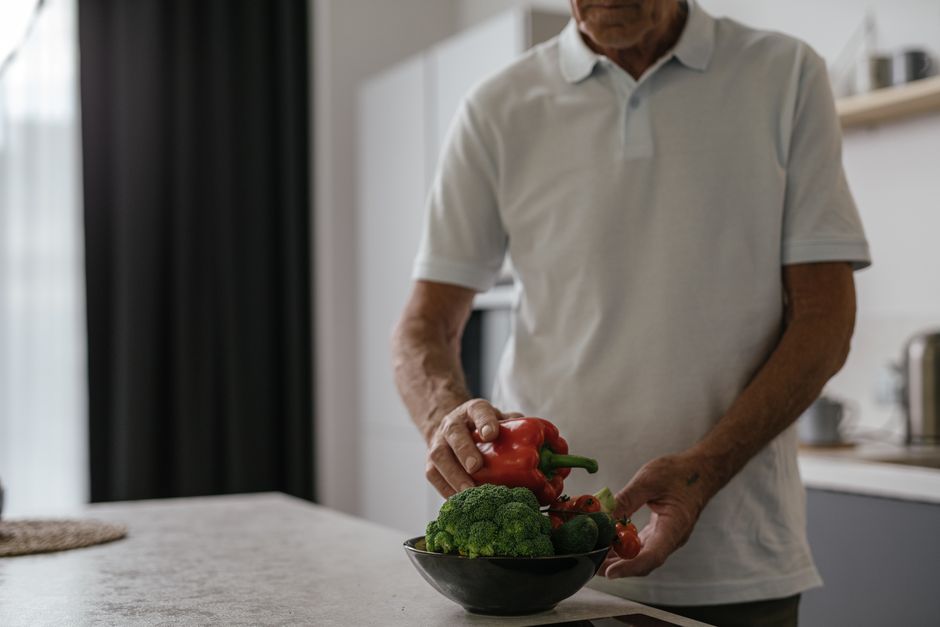
Vegetables and fruit. Diets rich in vegetables, particularly cruciferous vegetables like broccoli, cabbage, and Brussels sprouts, have been associated with lower risk of BPH progression in some observational studies. The mechanism is not fully established, but these foods contain compounds that may influence hormone metabolism.
Healthy fats. Replacing saturated fats with sources of polyunsaturated and monounsaturated fats, such as olive oil, nuts, and fatty fish, has been linked to better prostate outcomes in some research. The evidence is not strong enough to say this directly slows BPH.
Red meat and processed foods. Higher intake of red meat and processed foods has been associated with worse BPH symptoms in some studies. Again, this is association, not proof of cause.
Alcohol and caffeine. Both can worsen urinary symptoms by irritating the bladder and increasing urine production. Reducing them may improve how you feel even if it does not change the prostate itself.
What the evidence does not support is any single food or diet pattern as a reliable way to shrink the gland. If a diet plan promises that outcome, it is going beyond what studies show.





What About Supplements Like Saw Palmetto and Beta-Sitosterol?
Saw palmetto is the most heavily marketed supplement for prostate health. The largest and most rigorous trials, including those published in the New England Journal of Medicine and JAMA, found that saw palmetto did not perform better than placebo for urinary symptoms. That is a strong finding, and it directly contradicts the marketing.
Beta-sitosterol, a plant sterol, has shown some benefit for urinary symptoms in smaller studies. However, the evidence base is limited, and the studies have not consistently shown a change in prostate size. Some clinicians may recommend it, but it is not an established treatment.
Other supplements often promoted for prostate health include pygeum, rye pollen extract, and various herbal blends. For most of these, the evidence is either weak, mixed, or based on small trials that have not been replicated. No clinical guidelines currently recommend them as standard care.
One important caution: supplements can interact with medications, including blood thinners and drugs used for BPH. If you take any prescription medicine, talk to your doctor or pharmacist before adding a supplement.
Do Lifestyle Changes Make a Difference?
Lifestyle factors do appear to influence BPH symptoms, even if they do not shrink the gland.
Physical activity. Regular exercise has been associated with lower risk of BPH progression in several observational studies. The effect is modest but consistent. Walking, swimming, and other moderate activities are reasonable starting points.
Weight management. Higher body weight and especially abdominal fat have been linked to more severe urinary symptoms. Losing excess weight may improve symptoms, though the evidence for direct prostate size change is limited.
Bladder habits. Emptying the bladder fully when you urinate, avoiding holding urine for long periods, and limiting fluids before bed can reduce symptom bother. These are practical steps, not cures.
Medication review. Some common medications, including certain antihistamines, decongestants, and antidepressants, can worsen urinary symptoms by affecting bladder muscle function. If your symptoms changed after starting a new medication, that is worth discussing with your doctor.
When Should You See a Doctor About Prostate Symptoms?
Urinary symptoms that interfere with daily life, sleep, or activities are worth evaluating. So are symptoms that come on suddenly or worsen quickly.
Seek medical care promptly if you cannot urinate at all, if you have fever with urinary symptoms, if you see blood in your urine, or if you have pain in your lower back, pelvis, or genital area along with urinary changes. These can signal infection, stones, or other conditions that need treatment.
For routine symptoms, a primary care doctor or urologist can assess severity, rule out other causes, and discuss options. Those options include prescription medications that relax prostate muscle or shrink the gland over time, minimally invasive procedures, and surgery. Natural approaches are best viewed as supportive, not as replacements for medical care when symptoms are significant.
What Does Not Work for Prostate Enlargement?
A few popular claims are worth addressing directly.
- Prostate massage. No evidence supports massage as a way to shrink the prostate or treat BPH.
- Detoxes and cleanses. These have no established effect on prostate tissue.
- Testosterone boosters. Testosterone can actually drive prostate growth, so boosting it is not a strategy for shrinking the gland.
- Magnetic therapy or vibration devices. No reliable evidence supports these for BPH.
If a product promises rapid prostate shrinkage without medical intervention, treat that claim with skepticism. The biology does not support it, and the trials do not show it.
What Is the Bottom Line on Natural Approaches?
Natural strategies may help you feel better and may support overall prostate health, but they do not reliably shrink an enlarged prostate. The most reasonable approach combines a plant-forward diet, regular physical activity, weight management, and attention to habits that affect urinary symptoms.
Supplements are a mixed picture. Saw palmetto has been studied well and failed to beat placebo in large trials. Others have weaker or inconsistent evidence. None are established treatments.
If your symptoms are mild, lifestyle changes and monitoring may be enough. If they are moderate to severe, or if you have any warning signs, medical evaluation is the right next step. Natural approaches can complement medical care, but they are not a substitute for it.
Frequently Asked Questions
Can an enlarged prostate shrink on its own?
BPH generally does not shrink on its own, and it tends to progress slowly over time. Some men’s symptoms stay stable or improve slightly with lifestyle changes, but the underlying enlargement typically persists.
Does saw palmetto actually shrink the prostate?
No. Large, well-designed trials found that saw palmetto did not outperform placebo for urinary symptoms and did not reduce prostate size. It remains popular in marketing, but the evidence does not support the claim.
What foods should I avoid if I have BPH?
There is no single food proven to worsen BPH, but limiting alcohol, caffeine, and heavily processed foods may reduce urinary symptoms for some men. These changes affect symptom bother more than prostate size.
Can exercise shrink an enlarged prostate?
Regular physical activity has been linked to lower risk of BPH progression in observational studies, but it has not been shown to shrink the gland. It may help with symptom management and overall health.
