
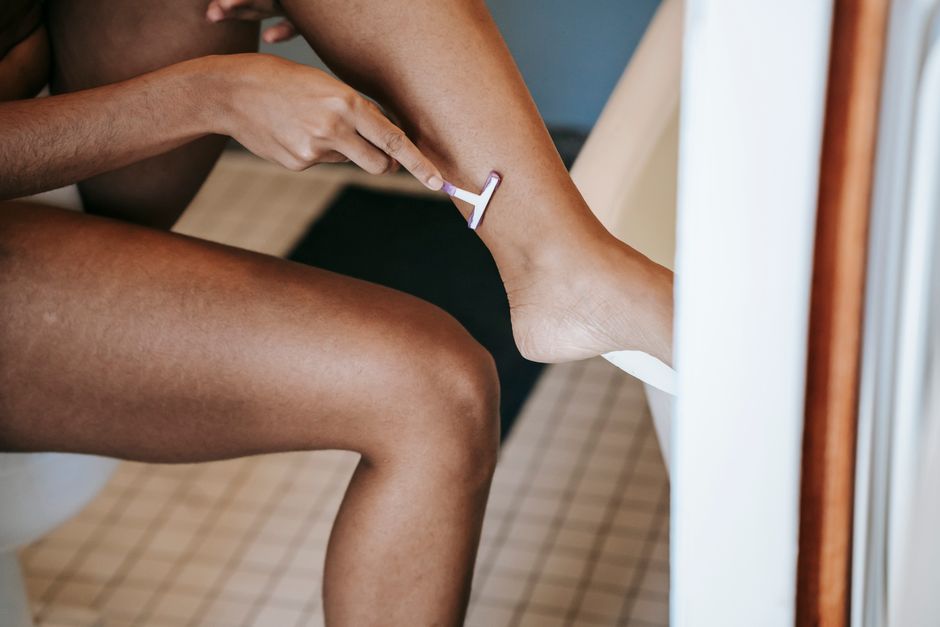
Shaving pubic hair without itching comes down to three things: preparing the skin and hair first, shaving with the grain using a sharp blade and light pressure, and caring for the skin afterward so the barrier can recover. Itching after shaving is usually irritation or razor burn, not an infection, and it typically starts within a day or two as hair regrows and the skin reacts. Most of the itch is preventable with technique, and the rest fades as the skin heals.
Why Does Shaving Pubic Hair Itch So Much?
Pubic skin is thinner and more sensitive than the skin on your face or legs, and it sits in a warm, moist, high-friction area. That combination makes it react more strongly to a blade dragging across it.
When you shave, you are not just cutting hair. You are also removing a thin layer of dead skin cells and, if you press too hard, irritating the living skin underneath. The body responds with mild inflammation. That inflammation is what you feel as burning, stinging, or itching in the hours and days after.
There is a second cause that catches most men off guard. A sharp blade cuts the hair at or slightly below the surface, leaving a sharp, angled tip. As that hair pushes back out through the skin, the pointed end can catch on the follicle opening. That mechanical tug is a big part of the itch. It is also why the itch tends to peak a few days after shaving, not immediately.
Two other problems can develop and are worth knowing about because they look and feel different from simple irritation:
- Razor burn — redness, stinging, and small bumps right after shaving. This is direct irritation and inflammation.
- Razor bumps (pseudofolliculitis) — firm, raised bumps that appear a day or two later when a hair curls back into the skin instead of growing out. This is more common in men with tightly curled hair. It is not an infection, though it can become one if bacteria get in.
Itching itself is usually the milder end of this spectrum. If you are seeing spreading redness, pus, or increasing pain, that is a different situation and worth having a clinician look at.
How To Shave Pubic Hair Without Itching For Men
The single biggest factor is direction. Shaving with the grain — the direction the hair grows — cuts the hair cleanly and leaves the skin far less irritated than shaving against it. Shaving against the grain gives a closer result, but it also lifts and tugs the hair and skin, which is exactly what drives irritation and ingrown hairs.
Here is the sequence that keeps irritation low:
- Trim first. If the hair is longer than about a quarter inch, run a trimmer over it before the razor touches your skin. Long hair clogs a razor and forces you to press harder.
- Soak in warm water. Shave at the end of a shower. Warm water softens the hair and makes it easier to cut with less force.
- Use a shave gel or cream. Not bar soap. Soap strips oils and dries the skin. A proper shave product gives the blade something to glide on.
- Use a sharp, clean blade. A dull razor drags and pulls. Change it more often than you would for your face.
- Shave with the grain. Short strokes. Rinse the blade between passes.
- Use light pressure. Let the blade do the work. Pressing down does not get you closer — it just irritates the skin.
- Rinse with cool water. This helps calm the skin and closes things down.
- Pat dry. Do not rub.
One pass with the grain is usually enough. If you go over the same spot repeatedly trying to get it perfectly smooth, you are trading a small amount of closeness for a lot of irritation. That trade is rarely worth it.
What Should You Put On Your Skin After Shaving?
Aftercare is where a lot of men undo good technique. The goal is to calm the skin and reduce friction while it recovers, not to load it with strong products.
A fragrance-free moisturizer or a light post-shave balm is the standard approach. Fragrance and alcohol are common irritants on freshly shaved skin, so simpler is better. Some clinicians recommend a product containing dimethicone or similar silicones because they reduce friction as hair regrows, though the evidence for any specific ingredient being clearly superior is limited.
What to avoid in the first day or two:
- Heavily fragranced lotions, colognes, or body sprays on the area
- Alcohol-based toners or aftershaves
- Tight synthetic underwear that traps heat and rubs
- Intense sweating or heavy friction (long runs, cycling, certain workouts) right after shaving
Loose cotton or moisture-wicking underwear helps more than most products. Friction and trapped moisture are two of the main drivers of post-shave irritation, and clothing controls both.
Does Shaving Cause Itching Or Is It Something Else?
Most post-shave itching is simple irritation, but it helps to know what else can look similar, because the response is different.
If the itch comes with small red bumps centered on the hair follicles and appears a day or two after shaving, that is most likely razor bumps. If it comes with spreading redness, warmth, pus, or increasing pain, that suggests a bacterial infection and needs medical attention rather than more moisturizer.
If the itching is intense, persistent, and comes with a rash that spreads beyond where you shaved, it may not be related to shaving at all. Conditions like jock itch (a fungal infection) or eczema can produce itching in the same area and are treated differently. A clinician can usually tell these apart quickly.
It is worth saying plainly: none of these can be reliably diagnosed from a description alone. If something is not settling within a week or is getting worse, get it looked at.
How Can You Prevent Itching Before It Starts?
Prevention starts with how often you shave. Shaving the same area every day keeps the skin in a near-constant state of low-grade irritation, which makes itching more likely. Spacing it out gives the skin time to recover.
A few habits that reduce the odds of itching:
- Exfoliate gently a day or two before shaving, not right after. This helps clear dead skin that can trap hairs.
- Keep the area clean and dry between shaves.
- Moisturize regularly, even on days you do not shave.
- Avoid shaving over any area that is already red, bumpy, or irritated.
For men who get razor bumps repeatedly no matter what they do, some clinicians suggest alternatives. A trimmer that leaves a short stubble avoids cutting hair below the skin surface and tends to cause far less irritation. Depilatory creams are another option, but they contain strong chemicals and can burn sensitive skin — they should be tested on a small area first, and they are not recommended for everyone.
When Should You Stop Shaving And See A Doctor?
Stop shaving the area and seek medical advice if you notice any of the following:
- Spreading redness or warmth
- Pus, drainage, or a foul smell
- Increasing pain rather than improving pain
- Fever
- Bumps that are growing, hard, or not improving after a week or more
These signs point toward an infection or another condition that needs treatment, not a shaving technique fix. Most simple post-shave irritation improves on its own within a few days. If it is not improving, that is the signal to get it checked.
Frequently Asked Questions
How long does itching last after shaving pubic hair?
Simple irritation usually eases within a few days as the skin recovers. If itching is still strong after a week or is getting worse, it may be razor bumps or an infection and is worth having checked.
Should I shave with or against the grain to avoid itching?
Shave with the grain to reduce irritation and itching. Shaving against the grain gives a closer shave but tugs the hair and skin, which is a common cause of razor burn and ingrown hairs.
What helps razor bumps on pubic area?
Stop shaving the area, keep it clean and dry, and use a fragrance-free moisturizer while it heals. If bumps are spreading, painful, or filled with pus, see a clinician.
Is it better to trim instead of shave to avoid itching?
For many men, yes. Trimming leaves short hair above the skin surface and avoids the sharp cut ends that cause most post-shave itching and bumps.
