
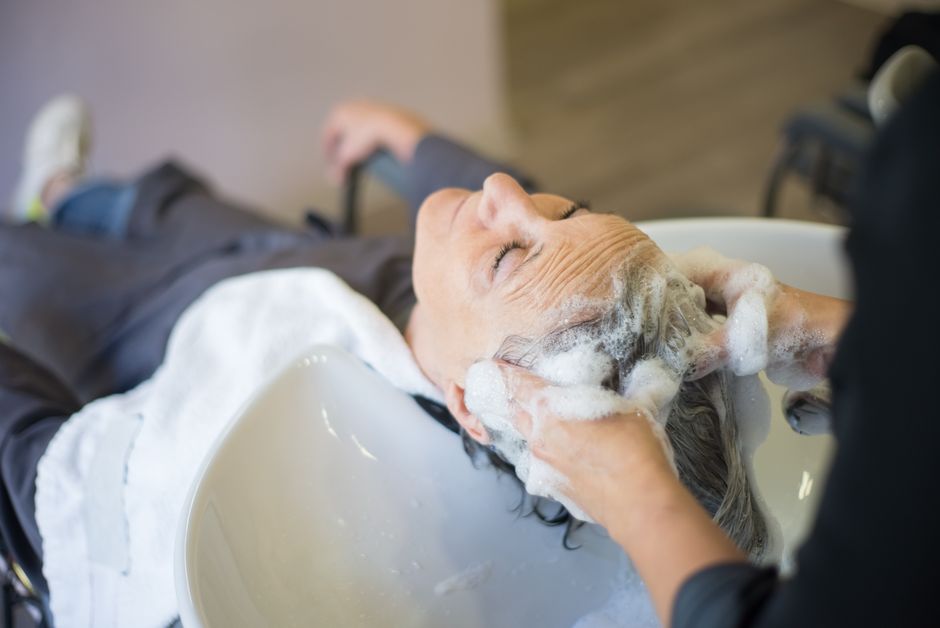
Most people wash their hair. Very few actually wash their scalp. The difference matters more than you might think. To shampoo your scalp correctly, apply shampoo directly to the scalp rather than the hair strands, massage it with your fingertips in small circles for about a minute, then rinse thoroughly with lukewarm water. Repeat only if your scalp is very oily or you use heavy styling products. The hair itself gets clean as the lather rinses through it.
That is the whole method in one paragraph. The rest of this article explains why each of those steps matters, what happens when you skip them, and where common advice about shampooing goes wrong.
Why Does Scalp Cleansing Matter More Than Hair Cleansing?
Your scalp is skin. It has sebaceous glands, hair follicles, sweat glands, and a microbiome of bacteria and fungi living on its surface. Sebum, dead skin cells, and environmental debris accumulate there the same way they do on your face.
The hair shaft itself is dead tissue. It cannot get “dirty” in a biological sense, and it does not produce oil on its own. The oil you feel on your hair comes from your scalp. So when hair looks greasy, the source is almost always the scalp, not the strands.
This is why applying shampoo to the ends of your hair and working upward is backwards. The ends are the oldest, driest, most fragile part of the hair. The scalp is where the oil, buildup, and microbial activity are. Cleaning the scalp and letting the rinse water carry shampoo through the lengths is more effective and less damaging.
There is a caveat worth stating plainly. People with very long hair, tightly coiled hair, or hair that has been chemically treated often need conditioner on the mid-lengths and ends. That is separate from shampooing. Conditioning the ends does not mean you should be shampooing them.
How To Shampoo Your Scalp Correctly Step By Step?
Here is the sequence, in order.
- Wet your hair thoroughly with lukewarm water. Warm water helps loosen oil and debris. Hot water strips oil from the scalp and can leave skin feeling tight or irritated.
- Pour shampoo into your palm and rub your hands together. A small amount is usually enough. The exact volume depends on hair length, density, and how oily your scalp is. Start smaller than you think you need.
- Apply the shampoo to your scalp first, not to the lengths of your hair. Use your fingertips to spread it along the part lines and around the hairline.
- Massage with your fingertips, not your nails, using small circular motions. Work across the whole scalp — behind the ears, at the nape, and along the crown. Aim for roughly a minute of gentle massage.
- Let the lather run through your hair as you rinse. If your hair is long, you can gently squeeze the suds down the lengths. You do not need to scrub the ends.
- Rinse until the water runs clear. Residual shampoo can leave a film that makes hair look dull and can irritate the scalp.
- Repeat only if needed. A second wash is reasonable if your scalp is very oily, if you used heavy products, or if you went several days between washes. Otherwise one wash is enough.
- Apply conditioner to the mid-lengths and ends, avoiding the scalp unless the product is specifically designed for scalp application.
That is it. No special technique, no ten-minute ritual. The main thing people get wrong is scrubbing the hair instead of the scalp.
How Often Should You Wash Your Scalp?
There is no single correct number. Scalp oil production varies widely between people and is influenced by genetics, hormones, age, and climate.
Daily washing is fine for many people, particularly those with oily scalps or who sweat heavily. Others do well washing every two or three days. People with dry or textured hair may wash less often. The idea that daily shampooing is inherently harmful to hair is not supported by strong evidence. What matters more is the formulation you use and how you handle your hair.
The practical signal is how your scalp feels and looks. If it is greasy, itchy, or flaky within a day of washing, more frequent washing may help. If it feels tight, dry, or irritated after washing, you may be over-washing or using a product that is too harsh for your skin.
One clarification worth making: “training” your scalp to produce less oil by washing less often is a popular idea, but the sebaceous glands do not work that way. Oil production is regulated largely by hormones and genetics, not by how often you wash. Washing less often may make the oil less noticeable over time because your hair adapts to carrying it, but the glands are not producing less.





What Water Temperature And Technique Actually Do?
Water temperature affects how much oil is removed from the scalp. Hot water dissolves oil more aggressively. That sounds helpful, but it also strips the skin’s natural lipid barrier, which can leave the scalp feeling dry, tight, or reactive.
Lukewarm water is the practical middle ground. It removes enough oil without over-stripping. A cool rinse at the end is a common recommendation, and while it will not change the structure of your hair, it can feel soothing and may help reduce frizz by closing the cuticle slightly.
Fingertips versus nails matters more than most people realize. Nails can scratch the scalp surface, creating small breaks in the skin. That can allow irritants or bacteria to get in and cause inflammation. If you have ever finished a shower with a tender or stinging scalp, nails are often the reason.
Massage pressure should be firm enough to move the scalp over the underlying bone, but not painful. There is no evidence that scalp massage increases hair growth in any meaningful way, despite what many marketing claims suggest. Some small studies have looked at massage and hair thickness, but the results are not strong enough to support a claim. Massage feels good and helps distribute shampoo. That is a fair description of what it does.
Do You Need To Lather Twice?
Usually, no. The double-shampoo routine has roots in older product formulations that did not clean well on the first pass. Modern shampoos, including many sulfate-free options, are designed to remove oil and debris in one wash.
A second lather can help if you use a lot of styling product, if you have not washed in several days, or if your scalp is very oily. It is not required for most people on a normal wash schedule.
If you do lather twice, use less product the second time. The first wash removes most of the surface oil, so the second lather will build more easily and you need less shampoo to get the same effect.
Which Shampoo Should You Use?
Shampoo is a cleanser. Its job is to remove oil, debris, and product residue without damaging the scalp or hair. The main differences between products come down to surfactants (the cleaning agents), added conditioning agents, and fragrance.
Harsh sulfates clean aggressively and can be drying for some people, particularly those with dry or color-treated hair. Gentler surfactants clean adequately for most scalps and are often better tolerated. Neither category is universally right or wrong — it depends on your scalp and hair.
If you have a diagnosed scalp condition such as seborrheic dermatitis or psoriasis, your dermatologist may recommend a medicated shampoo containing ingredients like ketoconazole, zinc pyrithione, or salicylic acid. These are treatments, not cosmetic choices, and they should be used as directed by a clinician.
For most people without a diagnosed condition, the best shampoo is one that leaves your scalp comfortable and your hair manageable. That is a personal fit question, not a universal answer.
What About Common Mistakes?
A few habits do real harm.
- Scrubbing the hair instead of the scalp. This roughs up the cuticle and leaves the scalp under-cleaned.
- Using nails on the scalp. This can cause micro-abrasions and irritation.
- Piling hair on top of your head to lather. This tangles long hair and does nothing for the scalp.
- Rinsing with very hot water. It strips oil and can leave the scalp feeling raw.
- Leaving shampoo residue in the hair. Incomplete rinsing can cause dullness and scalp irritation.
- Applying conditioner to the scalp. Unless it is formulated for scalp use, this can clog follicles and make the scalp feel greasy.
None of these are catastrophic on their own. But they add up, especially if you wash frequently.
Frequently Asked Questions
Should I shampoo my scalp or my hair?
Shampoo your scalp, not your hair. The scalp produces the oil and holds most of the buildup, and the rinse water carries the lather through the lengths of your hair.
How long should I massage shampoo into my scalp?
About one minute of gentle circular massage with your fingertips is enough to distribute the shampoo and lift debris. Longer is not necessary and rougher pressure is not better.
Is it bad to wash your hair every day?
No, daily washing is fine for many people, especially those with oily scalps. The right frequency depends on your scalp and hair type, not a fixed rule.
Does shampooing cause hair loss?
No. Shampooing does not cause hair loss. The hairs you see in the drain during washing are ones that had already shed and were being held in place by oil and other hair.
