

An upset stomach can stop your day cold. The direct answer is that most cases settle on their own with simple rest, clear fluids, and a bland diet. For specific symptoms like nausea, heartburn, or diarrhea, targeted approaches like ginger, the BRAT diet, or over-the-counter antacids have good evidence behind them. This guide walks through what actually works based on research, what to avoid, and when to see a doctor.
What Causes an Upset Stomach in the First Place?
An upset stomach is a broad term. It covers everything from a mild queasy feeling to sharp cramps and diarrhea. The cause determines the best fix.
Common triggers include viral infections, which the CDC says are the leading cause of acute gastroenteritis. Food poisoning from bacteria like salmonella or E. coli is another major driver. Indigestion from eating too fast, too much, or foods that do not agree with you is also very common. Stress and anxiety can physically upset your stomach because your gut and brain are directly connected through the vagus nerve.
Some people have chronic conditions like irritable bowel syndrome or acid reflux. These are different from a one-time upset stomach and need ongoing management with a doctor. For the occasional upset, knowing the trigger helps you pick the right response.
Does Ginger Actually Settle an Upset Stomach?
Yes. Ginger has the best evidence of any home remedy for nausea. Research published in the journal Integrative Medicine Insights found that ginger is as effective as some prescription anti-nausea drugs for motion sickness and post-operative nausea. It works by blocking serotonin receptors in your gut.
The key is using real ginger. Powdered ginger in capsules (500-1000 mg) or fresh ginger steeped in hot water as tea work well. Ginger ale from the store is mostly sugar and carbonation with little actual ginger. It will not help much. Chewing on a small piece of fresh ginger or sucking on a ginger candy with real ginger extract are practical options.
Ginger is safe for most adults. Do not take more than 4 grams per day. Pregnant women should talk to their doctor before using ginger supplements, though small amounts in food are generally considered safe.
What Is the BRAT Diet and Does It Work?
The BRAT diet stands for bananas, rice, applesauce, and toast. These are bland, low-fiber foods that are easy on the digestive system. The idea is to give your stomach a break while still getting some calories and electrolytes.
Evidence for the BRAT diet is mixed. The American Academy of Pediatrics used to recommend it for children with diarrhea but now advises a normal, balanced diet instead. The concern is that the BRAT diet is too low in protein, fat, and fiber to support recovery beyond a day or two.
For a single bout of diarrhea or vomiting, the BRAT diet for 12-24 hours is fine. It helps firm up stools and reduces stomach irritation. After that, add in other gentle foods like boiled potatoes, plain chicken, and crackers. The real benefit is avoiding dairy, spicy foods, and high-fat foods that can worsen symptoms.

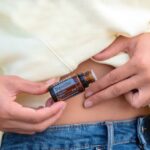



How To Settle And Upset Stomach With Over-the-Counter Medications
When home remedies are not enough, drugstore options have solid research behind them. The right one depends on your main symptom.
| Main Symptom | Common OTC Option | How It Works |
|---|---|---|
| Heartburn or acid indigestion | Antacids (Tums, Rolaids) | Neutralizes stomach acid quickly |
| Nausea or motion sickness | Dramamine (dimenhydrinate) | Blocks histamine signals in the inner ear and gut |
| Diarrhea | Imodium (loperamide) | Slows down bowel movements |
| Gas and bloating | Gas-X (simethicone) | Breaks up gas bubbles in the stomach |
| General upset or cramping | Pepto-Bismol (bismuth subsalicylate) | Coats the stomach lining and kills some bacteria |
Pepto-Bismol is a versatile option. Research shows it reduces inflammation in the stomach lining and has mild antibacterial effects. It works well for traveler’s diarrhea and general upset. A common side effect is black tongue and black stool. This is harmless and goes away when you stop taking it.
Do not use Imodium if you have a fever or bloody diarrhea. This can be a sign of a bacterial infection that needs to flush out of your system. Blocking it up can make things worse. When in doubt, stick with Pepto-Bismol or call a pharmacist.
What Drinks Help or Hurt an Upset Stomach?
Staying hydrated is the most important thing when your stomach is upset. Vomiting and diarrhea drain fluids and electrolytes fast. Dehydration makes everything worse.
Clear liquids are best. Water is fine but does not replace lost electrolytes. Pedialyte or other oral rehydration solutions have the right balance of sugar and salt. The World Health Organization recommends these for diarrhea-related dehydration. Sports drinks like Gatorade have too much sugar, which can actually worsen diarrhea in some people.
- Help: Water, oral rehydration solutions, clear broth, ginger tea, peppermint tea, diluted apple juice
- Hurt: Coffee, alcohol, soda, full-strength fruit juice, milk, energy drinks
Peppermint tea has some evidence for soothing the stomach. Research in the Journal of Gastroenterology found that peppermint oil relaxes the muscles in the digestive tract, which can reduce cramping. Stick to tea made from peppermint leaves. Peppermint oil capsules are stronger and used for IBS, not acute upset.
Carbonated drinks are tricky. Some people find burping relieves gas pressure. But the carbonation itself can distend the stomach and make bloating worse. If soda helps you, sip it slowly and let it go flat first.
What Should You Avoid When Your Stomach Is Upset?
Some things make an upset stomach worse, even if they seem soothing. Dairy is a big one. Milk, ice cream, and yogurt contain lactose, which can be hard to digest when your gut is inflamed. Many people become temporarily lactose intolerant after a stomach bug.
Fried and fatty foods slow down stomach emptying. This can increase nausea and bloating. Spicy foods with chili or hot sauce directly irritate the stomach lining. Citrus fruits and tomato-based foods are acidic and can worsen heartburn.
Fiber is not always your friend during an acute upset. Raw vegetables, whole grains, and beans can be hard to digest and increase gas. Save the high-fiber foods for when you feel better.
Chewing gum and drinking through a straw make you swallow air. This adds gas to an already uncomfortable stomach. Eating too fast has the same effect. Slow down. Take small bites. Chew thoroughly.
As of 2026, there is no clinical evidence that apple cider vinegar, baking soda water, or charcoal drinks help an upset stomach. These are viral trends that can actually cause more irritation or electrolyte imbalance. Stick with what is proven.
When Should You See a Doctor for an Upset Stomach?
Most upset stomachs resolve within 24-48 hours. Some signs mean you need medical attention. The CDC recommends seeing a doctor if you have any of the following:
- Blood in your vomit or stool
- Vomiting that lasts more than 24 hours without keeping fluids down
- Diarrhea that lasts more than 3 days
- Severe abdominal pain that does not go away
- Fever above 101.5°F (38.6°C)
- Signs of dehydration: dark urine, dry mouth, dizziness, not urinating for 8 hours
Children and older adults dehydrate faster. If a child under 5 has not urinated in 6 hours or has a dry mouth with no tears when crying, get medical help. The same goes for anyone over 65 with persistent symptoms.
Appendicitis can start like a simple stomach ache. The pain usually moves to the lower right side and gets sharper. If the pain is localized and getting worse, do not wait. Go to an urgent care or emergency room.
Frequently Asked Questions
How long does an upset stomach usually last?
Most viral stomach bugs resolve in 24 to 48 hours. Food poisoning can last anywhere from a few hours to several days depending on the bacteria involved.
Can stress really cause an upset stomach?
Yes. The gut-brain connection is real, and stress can trigger nausea, cramping, and diarrhea in people who are sensitive to it.
Is it safe to take Pepto-Bismol with other medications?
Pepto-Bismol can interact with blood thinners, diabetes medications, and aspirin. Check with a pharmacist if you take any prescription drugs regularly.
What is the best thing to eat after vomiting?
Start with ice chips or small sips of water. If that stays down, try crackers, plain toast, or a banana. Wait an hour before eating anything solid.
