
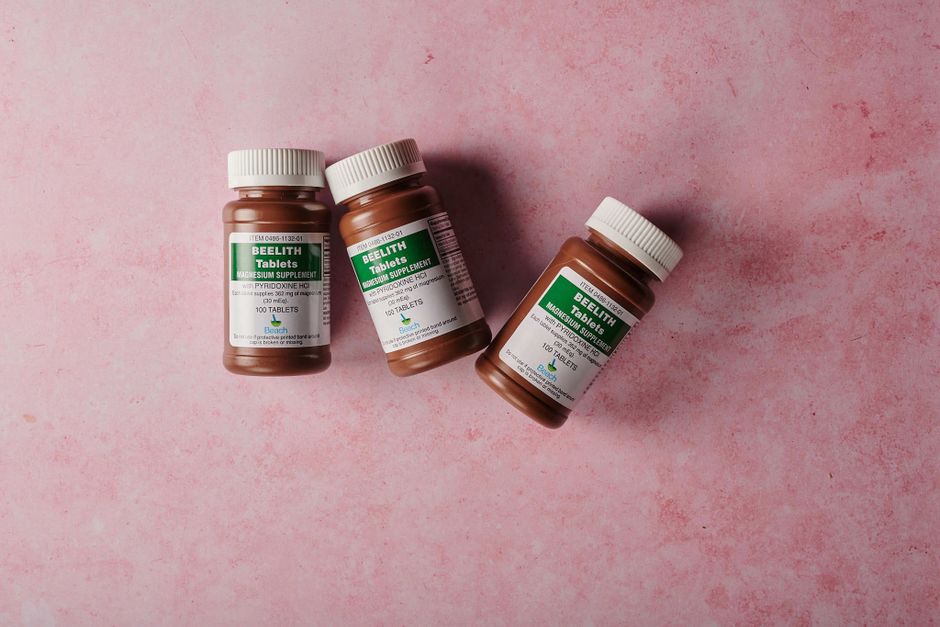
Selling nutritional supplements online successfully comes down to three things: a product that meets a real regulatory standard, honest claims you can defend, and a clear path for customers to buy and reorder. The businesses that last are the ones that treat compliance and trust as part of the product, not as paperwork to handle later. Marketing gets attention, but accuracy and transparency are what keep a supplement brand alive past its first year.
This article explains how the online supplement business actually works — the rules, the risks, the marketing limits, and the operational realities that separate a durable brand from a short-lived one. It is written for people who want to build something honest, not for anyone looking for shortcuts around the law.
What Makes Selling Supplements Online Different From Other Products?
Supplements are regulated more like food than like drugs in the United States, and that single fact shapes everything about how you can sell them. Under a 1994 law called the Dietary Supplement Health and Education Act, supplement makers do not need FDA approval before selling a product. The company is responsible for making sure the product is safe and that its label claims are lawful.
That is a very different world from selling, say, a kitchen gadget. With a gadget, the worst case is usually a refund. With a supplement, a bad batch or an unlawful claim can trigger regulatory action, lawsuits, and harm to customers.
The practical result is that the barrier to entry is low but the barrier to staying in business is high. Anyone can launch a supplement store. Far fewer can keep it running while staying on the right side of regulators and customers.
What the FDA actually requires
The FDA does not review supplements for safety or effectiveness before they reach the market. Instead, it acts after problems appear. That means the burden falls on you. You need to know the rules, follow them, and be able to show that you did.
This is not a technicality. It is the core of the business. A supplement brand that ignores it is one complaint away from serious trouble.
What Claims Can You Legally Make About a Supplement?
You can describe how a nutrient affects normal body function, but you cannot say a supplement treats, prevents, or cures a disease. That line is the single most important rule in supplement marketing.
A lawful structure-function claim might say something like “supports normal immune function.” An unlawful claim would say the same product “prevents colds.” The first describes normal biology. The second claims a disease outcome.
Structure-function claims come with a required disclaimer. The FDA expects language stating that the product is not intended to diagnose, treat, cure, or prevent any disease. That statement is not optional decoration. It belongs on the label and in your marketing.
Claims that get brands in trouble
- Any statement that a product treats a named disease
- Implied claims that a product replaces a prescription medication
- Testimonials that describe curing an illness
- Before-and-after claims for a medical condition
- Statements that a product is “clinically proven” when no human trial supports it
Testimonials are a common trap. A customer’s personal story can become an unlawful disease claim if it describes treating or curing a condition. Even a genuine experience, published by you, can create legal exposure.
How Do You Build Trust When Anyone Can Launch a Supplement Brand?
Trust is the real currency in this market, because customers know the barrier to entry is low. They have seen brands appear and vanish. What keeps them buying is evidence that you are serious.
Third-party testing is one of the strongest signals. Independent labs can verify that what is on the label is in the bottle, and that contaminants are absent. Heavy metals, microbes, and undeclared ingredients are real risks in this category, and testing addresses them directly.
Manufacturing standards matter too. Supplements should be made in facilities that follow current Good Manufacturing Practices. That is an FDA expectation, and it covers everything from ingredient identity to cleanliness to record-keeping.
What customers actually look for
People read labels more than marketers assume. They look for a clear ingredient list, a serving size, and a way to contact the company. They notice when a brand hides behind vague language.
Being specific builds more trust than being impressive. “500 mg of vitamin C per serving” is more persuasive than “powerful immune support.” One is a fact. The other is a feeling.





How To Sell Nutritional Supplements Online Successfully Without Overpromising
The brands that sell well over time are the ones that resist the urge to overpromise. That sounds like a disadvantage in a crowded market. It is actually the opposite.
Overpromising creates a cycle. A bold claim drives a spike in sales. Some customers do not get the result they expected. Refunds rise, reviews turn negative, and the brand’s reputation erodes. The spike is real, but so is the crash.
Honest positioning works differently. It attracts customers with realistic expectations. Those customers are more likely to reorder, and reorders are where supplement businesses actually make money. A one-time sale is not a business. A repeat customer is.
Practical steps that hold up
- State what the product contains, in plain numbers, on the product page
- Describe only normal-function claims, with the required disclaimer
- Publish your testing and manufacturing standards
- Make the return policy easy to find and easy to use
- Answer customer questions honestly, including “this may not be for you”
None of this is glamorous. All of it is what separates a brand that lasts from one that gets shut down or quietly disappears.
What Are the Legal and Safety Risks of Selling Supplements?
The risks are real and they are specific. The FDA can issue warning letters, seize products, and take action against companies making unlawful claims. The Federal Trade Commission can act on deceptive advertising. State attorneys general can bring their own cases.
There is also the risk of harm to customers. Some supplement ingredients interact with medications. Some are not appropriate during pregnancy or breastfeeding. Some have been linked to liver injury or other serious effects.
You do not need to be a clinician to sell supplements responsibly. But you do need to avoid implying that your product is safe for everyone. It is not, and saying so is both honest and protective.
Ingredients that require extra caution
Certain botanicals and stimulants carry known risks. Products marketed for weight loss and athletic performance have historically been the most likely to contain undeclared or risky ingredients. If you sell in these categories, your testing and labeling standards need to be especially strict.
No clinical guidelines exist for how a supplement brand should handle every possible interaction. That is precisely why the safe approach is to avoid medical claims entirely and direct customers with health conditions to a clinician.
Where Should You Sell — Your Own Site or Marketplaces?
Most successful supplement brands use both, but they treat them differently. A marketplace like a large online retailer can bring volume and discovery. Your own website gives you control over messaging, customer data, and the buying experience.
The trade-off is real. Marketplaces bring traffic but also competition on price and less control over how your product is presented. Your own site builds a direct relationship but requires you to earn every visitor.
| Channel | Main advantage | Main limitation |
|---|---|---|
| Your own website | Control over claims, brand, and customer data | You must generate your own traffic |
| Large marketplaces | Built-in audience and search demand | Price pressure and limited brand control |
| Subscription model | Predictable repeat revenue | Requires strong retention and easy cancellation |
Subscriptions deserve special mention. Supplements are often taken daily, which makes them a natural fit for recurring orders. But a subscription only works if the customer can pause or cancel without friction. Forced subscriptions generate short-term revenue and long-term complaints.
How Do You Market Supplements Without Breaking the Rules?
Effective supplement marketing focuses on the customer’s goal, not on disease outcomes. People want to feel better, perform better, or fill a nutritional gap. You can speak to those goals honestly.
Content that educates tends to outperform content that pushes. Explaining how a nutrient works in the body, what the research does and does not show, and who might not need it builds credibility. It also keeps you safely within claim rules.
Email and community building matter more in this category than in many others, because trust drives repeat purchase. A customer who understands your standards is far less likely to leave for a cheaper competitor.
What to avoid in marketing
Avoid urgency tactics built on false scarcity. Avoid fake reviews and paid testimonials presented as organic. Avoid implying that a supplement is a substitute for medical care. Each of these damages trust and some carry legal risk.
The most durable marketing asset in this business is a reputation for saying true things. It is slow to build and hard to fake, which is exactly why it works.
What Does It Actually Take to Run This Business Day to Day?
Running a supplement brand is closer to running a small food company than a typical online store. You are managing inventory with expiration dates, batch records, and quality checks. You are tracking regulations that can change. You are handling customer questions that sometimes touch on health.
You also need systems. Reliable fulfillment, clear labeling, and a process for handling complaints and returns are not optional. A single contaminated batch or mislabeled product can undo years of work.
This is not meant to discourage anyone. It is meant to be honest. The businesses that succeed here are the ones that treat the boring parts — testing, labeling, records, and honest claims — as the foundation rather than the afterthought.
Frequently Asked Questions
Do I need FDA approval to sell supplements online?
No. In the United States, supplements do not require pre-market FDA approval, and the company is responsible for safety and lawful labeling. The FDA can act after a product reaches the market if problems arise.
Can I say my supplement boosts the immune system?
You can make a structure-function claim about supporting normal immune function, but you cannot claim it prevents or treats illness. Such claims require a disclaimer stating the product is not intended to diagnose, treat, cure, or prevent any disease.
Are testimonials from customers allowed in supplement marketing?
Testimonials are allowed only if they do not describe treating or curing a disease. A customer story that implies a medical benefit can turn into an unlawful disease claim, even if the experience was genuine.
What is the biggest reason supplement brands fail online?
Overpromising is a common cause, because it drives short-term sales and long-term refunds and bad reviews. Brands that make honest claims tend to keep customers and last longer.
