
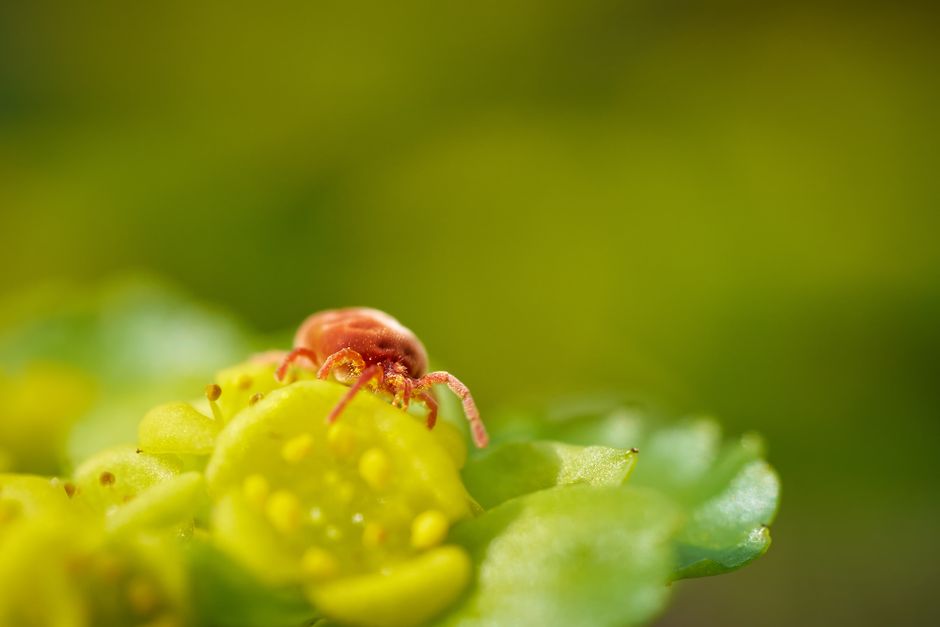
Dust mites are microscopic creatures that live in your bedding, furniture, and carpets. You cannot see them with the naked eye. To actually see a dust mite, you need a microscope with at least 10x magnification, though 40x or higher gives a much clearer view. They appear as tiny, pale, bug-like shapes with eight legs, barely moving across the surface.
Why Are Dust Mites Invisible to the Naked Eye?
An adult dust mite measures about 0.2 to 0.3 millimeters long. That is roughly the size of a period at the end of a sentence. The human eye can generally resolve objects down to about 0.1 millimeters, but dust mites are pale, semi-transparent, and blend into fabric and dust. Even when you know they are there, you cannot spot them without help.
Most people never see a dust mite in their lifetime. The allergy symptoms they cause — sneezing, itchy eyes, stuffy nose — happen long before anyone ever lays eyes on the actual creature. The mites themselves are harmless to touch. The problem is their waste particles, which become airborne and trigger immune responses in sensitive people.
How To See Dust Mites With a Microscope
If you want to see dust mites yourself, you need the right equipment and a decent sample. A basic student microscope with 40x to 100x magnification works well. Here is the process:
- Collect a sample. Vacuum a small section of your mattress, pillow, or couch. Use a clean vacuum attachment and empty the dust into a sealed bag or container.
- Prepare a slide. Place a small amount of the dust on a glass microscope slide. Add a drop of alcohol or glycerin to help separate particles.
- Spread the sample. Use a toothpick to spread the dust thinly. Mites hide among fibers, skin flakes, and debris, so a thin layer matters.
- Scan at low power. Start at 40x and move slowly across the slide. Look for oval, white or translucent bodies with short legs.
- Confirm at higher power. Switch to 100x to see the legs and body shape clearly. Dust mites have eight legs as adults and no antennae.
You may need to check several slides before finding one. Dust mites are not evenly distributed. They cluster in areas with the most skin flakes and humidity, like the center of a mattress or the underside of a pillow.
What Do Dust Mites Look Like Under a Microscope?
Under magnification, dust mites look nothing like the bugs you see on kitchen counters. They have a rounded, globular body with no distinct head. The body is covered in fine striations, like tiny ridges. Their eight legs protrude from the front half of the body, and they end in small suction cups.
They are not red or brown like bed bugs. Dust mites are pale white or cream colored. Because they are almost transparent, they can be hard to spot against light dust. Staining the sample with a drop of iodine or methylene blue can make them stand out, though this is optional.
You may also see their fecal pellets. These are small, square-ish particles that look different from the round pollen grains and irregular fiber fragments around them. The pellets are the main source of dust mite allergens.




Can You See Dust Mites With a Magnifying Glass or Phone Camera?
A standard magnifying glass is not enough. Most handheld magnifiers only reach 2x to 5x magnification. Even at 10x, a dust mite appears as a tiny speck with no visible detail. You might see movement if you are lucky, but you will not be able to confirm what you are looking at.
Phone cameras have the same limitation. The lens cannot focus close enough to resolve a 0.3 millimeter object in detail. Some people try using macro lenses or clip-on microscope attachments for phones. The clip-on attachments that reach 60x or higher can work, but they are difficult to keep steady and require good lighting.
A digital handheld microscope is the most practical option for home use. These devices connect to a phone or computer via USB and provide 50x to 1000x magnification. They cost less than a full laboratory microscope and let you see mites on fabric surfaces directly. Place the device on your mattress, adjust the focus, and scan slowly.
How To Collect Dust Mite Samples From Your Home
The best places to find dust mites are where you sleep. Mattresses, pillows, and bedding hold the highest concentrations because they collect dead skin cells and retain body heat and moisture. Upholstered furniture and carpeted floors are the next best locations.
To improve your chances of finding mites, follow these steps:
- Do not vacuum first. Collect samples before any cleaning so mites have not been removed.
- Focus on undisturbed areas. The space between the mattress and box spring, or under a heavy piece of furniture, tends to hold more debris.
- Use a fresh bag. If your vacuum uses bags, insert a clean one. If it is bagless, clean the canister thoroughly before sampling.
- Sample multiple spots. One small sample may miss mites entirely. Collect from several areas and combine them.
- Store samples properly. Keep dust in a sealed plastic bag or jar. Mites die quickly in dry air, but their bodies and allergens remain.
Dust mites thrive in humid conditions. They absorb water from the air through their bodies and cannot survive in environments below about 50 percent relative humidity. Homes in humid climates or rooms with poor ventilation tend to have higher mite populations.
How To Tell Dust Mites Apart From Other Household Particles
When you look at house dust under a microscope, you will see a chaotic mix of materials. Skin flakes, pet dander, pollen, mold spores, fabric fibers, and insect parts all look similar at low magnification. Knowing what to look for prevents confusion.
Dust mites have a distinctive shape. They are oval and slightly flattened, with no visible segmentation between the head and body. Their legs are short and pale. Bed bugs, fleas, and other household insects have visible heads, antennae, and segmented bodies. Dust mites have none of these features.
Dust mite fecal pellets are also distinctive. They are roughly rectangular or square and range from 10 to 40 micrometers in size. Pollen grains are usually round and spiky or textured. Mold spores are smaller and often appear in chains. If you see square particles, you are likely looking at dust mite waste.
How To Reduce Dust Mite Populations After You Find Them
Seeing dust mites under a microscope does not mean you need to panic. They are present in nearly every home. The goal is not elimination — it is reducing their numbers enough to control allergy symptoms.
Research consistently shows that the most effective strategies target the places mites live. Washing bedding in hot water above 130°F (54.4°C) kills mites and removes their allergens. Using allergen-proof covers on mattresses and pillows creates a physical barrier. Reducing indoor humidity below 50 percent makes the environment less hospitable.
Vacuuming helps but has limits. Standard vacuum cleaners remove surface dust and some mites, but they do not reach deep into carpet fibers or furniture padding. HEPA-filter vacuums trap the particles they pick up rather than releasing them back into the air. Steam cleaning carpets and upholstery at high temperatures can kill mites in areas where they have penetrated deeper.
Some clinicians recommend replacing carpeted flooring with hard surfaces in bedrooms, especially for people with moderate to severe dust mite allergies. This is not a quick fix, but it removes the largest reservoir of mites in the home. Curtains, stuffed animals, and decorative pillows should be washed regularly or removed from sleeping areas entirely.
Testing for Dust Mite Allergies at Home
If you suspect dust mites are causing symptoms but have not confirmed it, home test kits are available. These kits typically include a swab or collection strip that you wipe across your mattress or furniture. You send the sample to a laboratory, and they report the level of dust mite allergen present.
These tests measure allergen levels, not live mite counts. That distinction matters. A high allergen level can persist for months after mites die, so the test reflects exposure risk rather than an active infestation. Some research suggests these kits can help identify problem areas, but they are not a substitute for a medical diagnosis.
An allergist can confirm dust mite sensitivity with a skin prick test or a blood test for specific IgE antibodies. These tests are more reliable than home kits for determining whether your symptoms are actually caused by dust mites versus other allergens like pollen, mold, or pet dander.
Why Dust Mite Allergies Flare Up at Night
Dust mite allergy symptoms often worsen at night or in the early morning. The reason is straightforward. You spend hours in bed, face down in the highest concentration of mites and their waste. The allergen particles become airborne when you move, shift, or fluff your pillow, and you inhale them while you sleep.
This pattern can help you identify dust mites as the culprit. If your symptoms are worst in the bedroom and improve when you leave the house, dust mites are a likely trigger. If symptoms are year-round rather than seasonal, that also points to indoor allergens like dust mites rather than pollen.
Some research suggests that dust mite allergens can also trigger asthma symptoms in sensitized individuals. The relationship is well established. Reducing exposure is a standard part of asthma management for people who test positive for dust mite allergy.
Frequently Asked Questions
Can you see dust mites without a microscope?
No, dust mites are too small to see with the naked eye. They measure about 0.2 to 0.3 millimeters and are nearly transparent against fabric.
What magnification do you need to see dust mites?
You need at least 10x magnification to spot them, but 40x or higher is needed to identify them clearly. A digital handheld microscope between 50x and 200x works well for home use.
Where do dust mites live in your home?
Dust mites concentrate in bedding, mattresses, pillows, upholstered furniture, and carpets. They prefer warm, humid areas where dead skin cells accumulate.
How do you test for dust mites in your house?
You can collect dust samples and examine them under a microscope, or use a home allergen test kit that measures dust mite waste in a sample you mail to a lab. An allergist can also test your sensitivity to dust mite allergens directly.
