

Seeing an allergist usually starts with a referral from your primary care doctor, though many insurance plans let you book directly. The visit itself typically takes 30 to 90 minutes, and a first appointment often includes a detailed history, a physical exam, and sometimes skin or blood testing. What you pay depends heavily on your insurance plan, your deductible, and whether the allergist is in your network.
How To See An Allergist: Referrals, Costs, What To Expect
In the United States, whether you need a referral depends on your insurance plan type, not on the allergist’s preference. A referral is a formal authorization from your primary care provider (PCP) that allows you to see a specialist. Some plans require it. Others do not.
Here is the general pattern:
- HMO plans almost always require a referral from your PCP before you can see an allergist.
- PPO plans usually let you see a specialist without a referral, though you may pay more if the allergist is out of network.
- POS plans typically require a referral for in-network coverage.
- EPO plans generally do not require referrals but usually limit coverage to in-network providers.
- Medicare generally does not require a referral for an allergist, but Medicare Advantage plans may have their own rules.
- Medicaid rules vary by state and by managed care plan.
The fastest way to find out is to call the number on the back of your insurance card and ask two questions: Does my plan require a referral for an allergist? Is this specific allergist in my network? Those two answers determine almost everything about your cost and timeline.
What the referral process actually involves
If you need a referral, it usually works like this. You see your PCP and describe your symptoms — persistent sneezing, hives, eczema, food reactions, asthma symptoms, or recurrent sinus problems. The PCP documents the reason for the referral and sends it to your insurance company or directly to the allergist’s office.
Some referrals are approved the same day. Others can take several business days. If the referral is denied, you have the right to ask why and to appeal. Insurance plans are required to give you a reason for a denial and information about the appeals process.
What Happens at a First Allergy Appointment?
A first visit is mostly about gathering information. The allergist needs a detailed picture of your symptoms, your environment, your diet, your medications, and your family history before deciding what to test.
Expect the allergist to ask:
- What symptoms you have and how long they have lasted
- When and where symptoms happen — indoors, outdoors, after meals, at certain times of year
- What makes symptoms better or worse
- Whether you have pets, and what your home and work environments are like
- Your full medication list, including over-the-counter drugs and supplements
- Whether anyone in your family has allergies, asthma, or eczema
A physical exam usually follows. The allergist may look at your skin, listen to your lungs, and examine your nose and throat.
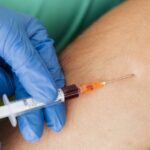
Testing may or may not happen the same day. Skin prick testing, where small amounts of allergens are placed on the skin, is common for environmental and food allergies. Results appear within about 15 to 20 minutes. Blood tests, which measure specific antibodies, take longer to process and results come back in days.
Not everyone needs testing. If your history clearly points to a cause, the allergist may skip testing or use it only to confirm. This is one reason a first visit can vary widely in length and cost.
How Much Does an Allergist Visit Cost?
Costs vary enormously based on your insurance, your location, and what happens during the visit. What you actually pay is not the same as the billed charge.
Here is how the numbers generally break down:
- Without insurance, a first allergist consultation commonly ranges from roughly $150 to $500 or more, depending on the region and the complexity of the visit.
- Skin prick testing is often billed separately and can add several hundred dollars.
- Blood allergy testing is also billed separately and varies by the number of allergens tested.
- With insurance, you typically pay a specialist copay (often $30 to $75) or a coinsurance percentage, plus any remaining deductible.
These figures are general ranges, not quotes. A single phone call to the allergist’s billing office will give you a real estimate for your situation. Ask specifically for the code they will bill and what your plan’s allowed amount is.
The deductible is often the real cost driver
If you have not met your deductible, you may pay the full negotiated rate for the visit and any testing. That is often far more than a copay. If you have met your deductible, you may owe only coinsurance or a copay.
This is why two people with the same insurance plan can pay very different amounts for the same allergist visit. The plan is the same. The deductible status is not.




What Does Insurance Usually Cover?
Most health insurance plans cover allergy testing and treatment when it is medically necessary. Medically necessary generally means the testing is being used to diagnose or manage a condition, not for screening without symptoms.
Coverage is usually strong for:
- Diagnostic skin and blood testing for suspected allergies
- Allergy shots (immunotherapy) for environmental allergies and some insect venom allergies
- Evaluation and management of asthma and allergic rhinitis
- Food allergy diagnosis after a suspected reaction
Coverage is more variable for:
- Testing for many foods at once without a clear history
- Sublingual immunotherapy tablets, which some plans cover and others do not
- Repeat testing without a change in symptoms
If a test is not covered, you can ask the allergist’s office for the cash price before the appointment. Many offices offer a lower self-pay rate than the insurance-billed rate.
How Long Does It Take to Get In?
Wait times vary by region and by how busy the practice is. In some areas, a new patient can be seen within a week or two. In others, the wait can stretch to several weeks or longer.
Allergists are often busiest during spring and fall, when pollen counts rise and more people seek help. If your symptoms are seasonal, booking outside peak season may get you in faster.
If your symptoms are severe — such as difficulty breathing, swelling of the face or throat, or a reaction after a food or insect sting — do not wait for a routine appointment. Seek emergency care. Anaphylaxis is a medical emergency, and epinephrine is the first-line treatment.
What Should You Bring to the Appointment?
Preparation shortens the visit and improves the quality of the evaluation. Bring:
- Your insurance card and photo ID
- A list of all medications, including doses
- A symptom diary if you have one — when symptoms happen, how long they last, what you were doing
- Photos of any skin reactions or rashes that come and go
- Any prior allergy test results or medical records
- Questions you want answered
One practical point: some antihistamines can interfere with skin prick testing. Tell the allergist’s office which antihistamines you take, and ask whether you should stop any before the visit. Do not stop any medication without checking with the prescribing clinician first.
When Should You See an Allergist Instead of Your Primary Doctor?
Your primary care doctor can manage many mild allergy symptoms. An allergist is worth seeing when symptoms are persistent, unclear, or not responding to standard treatment.
Consider a referral if:
- Symptoms continue despite antihistamines or nasal sprays
- You have had a severe reaction to a food, medication, or insect sting
- You have asthma that is not well controlled
- You need testing to identify specific triggers
- You are considering allergy shots or immunotherapy
- You have chronic sinus problems or recurrent ear infections
An allergist’s value is in narrowing down causes and matching treatment to the specific trigger. That is hard to do without a focused history and, often, testing.
Frequently Asked Questions
Do I need a referral to see an allergist?
It depends on your insurance plan type. HMO and POS plans usually require a referral from your primary care doctor, while PPO and EPO plans often do not.
How much does an allergist visit cost without insurance?
A first consultation typically ranges from about $150 to $500 or more, with testing billed separately. Calling the office for a self-pay estimate is the most reliable way to know your cost.
How long does a first allergy appointment take?
Most first visits take 30 to 90 minutes, depending on whether testing is done the same day. Skin prick testing adds about 15 to 20 minutes of waiting time for results.
What should I expect at my first allergist visit?
Expect a detailed symptom history, a physical exam, and a discussion about whether testing is needed. Testing may happen that day or be scheduled for a follow-up visit.
