
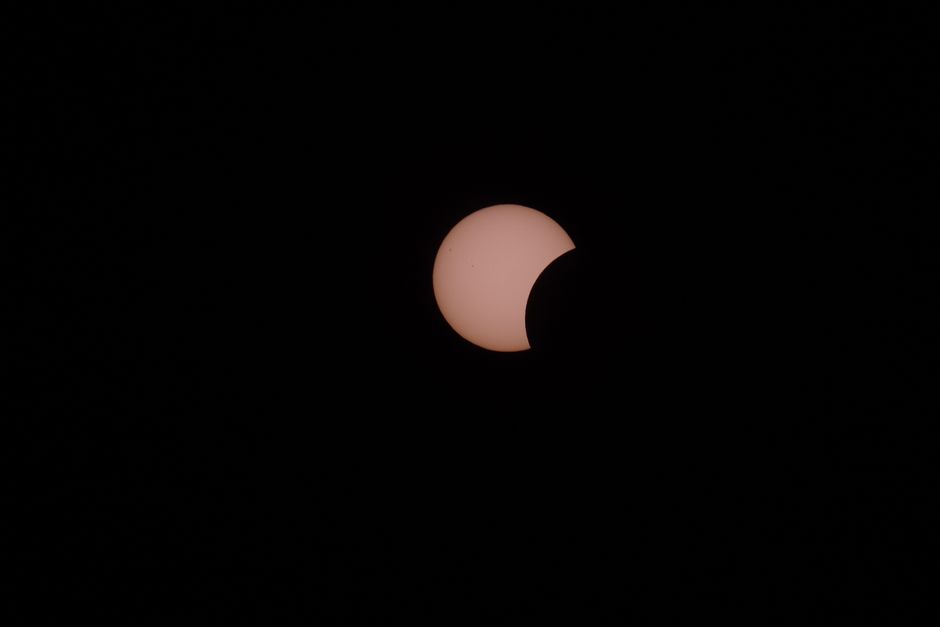
A solar eclipse is one of nature’s most striking events, but watching one the wrong way can permanently damage your eyes. The only safe way to look directly at a partial or total solar eclipse is through special-purpose solar filters, such as eclipse glasses or handheld solar viewers. These are not ordinary sunglasses; they must meet the international safety standard ISO 12312-2 to block harmful solar radiation. Never look at the sun through a camera, telescope, binoculars, or any other optical device without a professional-grade solar filter attached to the front, as this can instantly cause severe eye injury.
Why Is Looking at a Solar Eclipse Dangerous?
The sun emits intense visible light and invisible radiation that can burn the retina, the light-sensitive tissue at the back of the eye. The retina has no pain receptors, so you can damage it without feeling any warning sensation.
This type of injury is called solar retinopathy. It occurs when the sun’s energy literally cooks the retinal tissue. The damage can be temporary, but it can also be permanent, leading to a blind spot in your central vision. In some cases, the vision loss is irreversible.
During a partial eclipse, the sun is still dangerously bright. Even when 99% of the sun is covered by the moon, the remaining sliver of sunlight is intense enough to cause retinal burns. The misconception that it is safe to look during a total eclipse applies only during the brief moment of totality, when the moon completely blocks the sun’s bright face.
What Are the Only Safe Viewing Methods?
There are two safe ways to view a solar eclipse: direct viewing with certified solar filters, or indirect viewing by projecting the sun’s image onto a surface.
For direct viewing, you need eclipse glasses or a handheld solar viewer that meets the ISO 12312-2 international safety standard. These filters are thousands of times darker than regular sunglasses and block out more than 99.99% of visible light and harmful ultraviolet and infrared radiation.
Before using eclipse glasses, inspect them carefully. If they are scratched, torn, punctured, or damaged in any way, throw them out. Check that the filter is securely attached to the cardboard or plastic frame. Do not use them if the lens has come loose.
Indirect viewing is the safest method of all because it involves no direct eye contact with the sun. A pinhole projector is a simple and effective tool. You can make one by poking a small hole in a piece of cardboard and holding it in the sunlight so the image of the sun projects onto a white surface several feet away. You look at the projected image, never at the sun itself.
Other indirect methods include using a colander from the kitchen, which projects multiple small sun images onto the ground, or viewing the eclipse through the dappled shade of a leafy tree, which naturally creates pinhole effects on the ground.
How To See A Solar Eclipse Safe Viewing Methods: Step-by-Step
Plan your eclipse viewing before the event begins. Know the exact time of the eclipse in your location and check the weather forecast. Clouds can ruin visibility, so have a backup plan if possible.
When the eclipse begins, put your eclipse glasses on before you look up at the sun. Look away from the sun before you remove the glasses. Never take them off while facing the sun directly.
If you are using a pinhole projector, set it up so the sun is behind you and the projected image falls on a flat surface in front of you. Do not look through the pinhole at the sun. The pinhole is for projecting light, not for viewing.
Supervise children closely. They may not understand the danger and might try to remove their glasses or look directly at the sun. Explain clearly that the glasses must stay on at all times unless they are looking at the ground or the projected image.
If you wear prescription glasses, keep them on and place the eclipse glasses over them. Do not remove your prescription glasses to wear the eclipse glasses alone, as you need to see clearly to move safely.



Can You Watch an Eclipse Through a Phone Camera?
Using a smartphone camera to photograph the eclipse is safe for your eyes, but it carries a different risk. The phone’s camera sensor can be damaged by direct solar exposure, just like a camera or telescope lens can.
If you want to take a photo, point the phone at the sun without looking through the viewfinder at it. The safest approach is to hold the phone up, frame the shot, and look away while the camera captures the image. Some experts recommend placing a solar filter over the phone’s lens, but this is not strictly necessary for a single quick shot.
Do not use your phone to look at the sun through eclipse glasses. The glasses filter the light for your eyes, but the phone’s camera sensor is still exposed to the full intensity of the sun if you point it directly at the sun without a lens filter.
The most practical advice is simple: enjoy the eclipse with your own eyes using proper filters, and keep the phone in your pocket. Professional photographers and astronomers use specialized solar filters on their equipment, and even they risk damaging their gear if they are not careful.
What Is Totality and When Is It Safe to Look Without Glasses?
Totality is the brief period during a total solar eclipse when the moon completely covers the sun’s bright disk. This is the only time it is safe to look at the eclipse with your naked eyes.
During totality, the sky darkens dramatically, and the sun’s outer atmosphere, called the corona, becomes visible as a white halo around the black disk of the moon. This is a breathtaking sight, but it lasts only a few minutes at most, typically between one and four minutes depending on your location.
You must know exactly when totality begins and ends for your specific location. The moment the sun’s bright edge reappears, you must immediately put your eclipse glasses back on. Even a tiny sliver of the sun’s bright surface is dangerous to view directly.
If you are not in the path of totality, you will only see a partial eclipse. In that case, you must keep your eclipse glasses on for the entire event. There is no safe moment to remove them.
Do not confuse a partial eclipse with a total eclipse. Many people have mistakenly looked at a partial eclipse without protection because they believed it was safe. It is not. The only safe unprotected viewing is during the exact moments of totality.
What Happens If You Look at the Sun Without Protection?
Looking at the sun without proper eye protection can cause immediate damage to your retina. The damage may not be noticeable right away, as symptoms can take several hours to appear.
Common symptoms of solar retinopathy include blurred vision, a central blind spot, distorted colors, or eye pain. In some cases, vision returns to normal within a few months, but in other cases, the damage is permanent.
There is no treatment for solar retinopathy. Once the retinal tissue is burned, it does not regenerate. The only medical response is monitoring and supportive care. This is why prevention is so critical.
If you or someone you are with experiences vision changes after looking at the sun, seek medical attention from an eye care professional. They can examine the retina and document any damage. Early evaluation does not change the outcome, but it provides a baseline for monitoring.
How to Choose Safe Eclipse Glasses
Not all eclipse glasses are created equal. The most important factor is certification to the ISO 12312-2 international safety standard. This standard ensures the filters block the necessary amount of solar radiation.
Look for the ISO 12312-2 marking printed on the glasses themselves or on the packaging. The manufacturer’s name and address should also be listed. If you cannot verify the certification, do not use the glasses.
Be aware that counterfeit eclipse glasses exist. Some are labeled with the ISO standard but have not actually been tested. Buy from reputable sources, such as major science museums, astronomy organizations, or well-known retailers. The American Astronomical Society maintains a list of approved manufacturers and vendors, which is a reliable resource.
Regular sunglasses, even very dark ones, are not safe for viewing the sun. They do not block enough light or the harmful radiation that causes retinal burns. Welding filters of shade 14 or higher are safe, but lower-numbered welding filters are not.
Frequently Asked Questions
Can I use regular sunglasses to watch a solar eclipse?
No. Regular sunglasses, no matter how dark, do not block enough solar radiation to protect your eyes. Only eclipse glasses meeting the ISO 12312-2 standard are safe for direct solar viewing.
How long can I look at the sun through eclipse glasses?
There is no strict time limit, but you should take breaks. Look at the sun for a few seconds at a time, then look away to rest your eyes. Keep the glasses on the entire time you are facing the sun.
Is it safe to watch a solar eclipse through a car window?
No. Car windows do not block the harmful radiation that damages the retina. You still need certified eclipse glasses to view the sun through any glass surface.
What should I do if I feel eye pain after viewing an eclipse?
Seek medical attention from an eye care professional as soon as possible. Describe exactly what you were doing when you looked at the sun and how long you were exposed. Even if symptoms are mild, a professional examination is warranted.
