
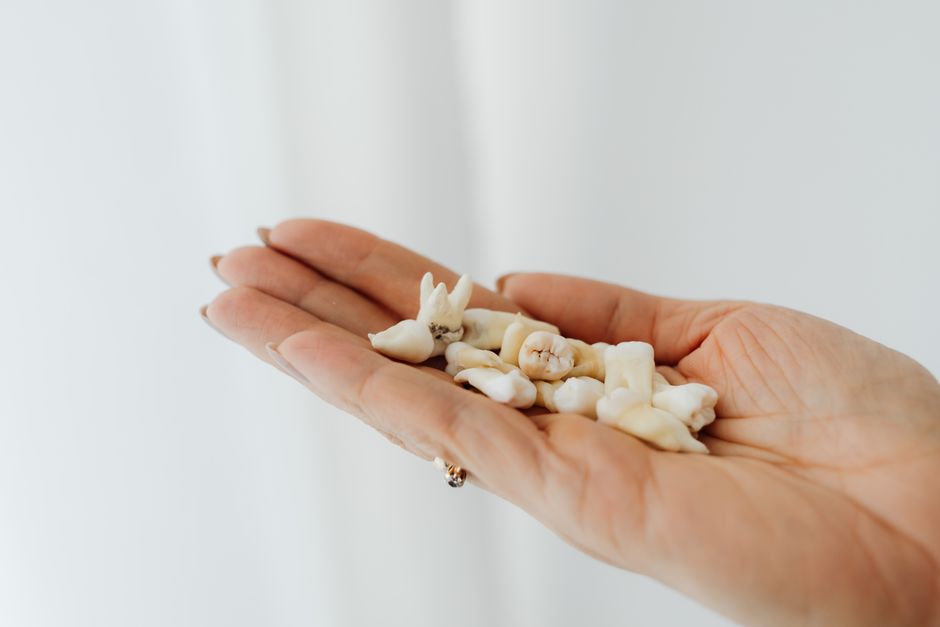
Once a cavity starts, the enamel that was lost does not grow back. But that does not mean the tooth is lost. What can be done depends entirely on how deep the decay has reached. Early decay can sometimes be stopped or reversed. Deeper decay needs a filling. Decay that has reached the nerve needs a root canal or extraction. The single most useful thing you can do is get the tooth looked at before the damage passes the point of no return.
What Actually Happens When a Tooth Starts to Rot?
Tooth decay is a process, not an event. It begins with bacteria that live in dental plaque. These bacteria feed on sugars and starches and produce acid as a waste product. That acid pulls minerals out of the enamel surface, a process called demineralization.
Your saliva constantly works the other way, pushing minerals back into the enamel. This is remineralization. When you eat or drink something sugary, the acid attack lasts roughly 20 minutes or more. If you snack often, your mouth never gets a real break, and the balance tips toward mineral loss.
Early on, this shows up as a chalky white spot. The enamel surface is still intact. The damage is below it. This is the one stage where the process can genuinely be reversed, because the minerals can be restored before a physical hole forms.
Once the acid eats through the enamel and into the softer dentin underneath, a cavity exists. Dentin is softer and decays faster than enamel. From this point the hole will not close on its own. It has to be cleaned out and filled.
How To Save Rotten Teeth At Every Stage Of Decay
Matching the response to the stage is the whole game. Treating early decay like a cavity leads to unnecessary drilling. Treating a deep cavity like an early spot leads to a tooth that keeps decaying underneath.
Stage 1: The Chalky White Spot
At this stage there is no hole. The enamel looks dull or chalky white, often near the gumline or in the grooves of back teeth. The surface is still hard.
This is where fluoride helps most. Fluoride in toothpaste and in professional treatments speeds up remineralization and makes the rebuilt enamel more resistant to acid. Using fluoride toothpaste twice a day and cutting back on how often you eat sugar can tip the balance back toward repair.
Dentists can also apply a professional fluoride varnish. Some clinicians recommend a sealant over a white spot on a chewing surface to protect it. This is common practice, though the evidence for reversal is strongest for fluoride and dietary change.
Stage 2: Enamel Decay With a Visible Hole
Once a physical cavity forms in the enamel, it will not heal. The standard treatment is a filling. The dentist removes the decayed tissue, cleans the space, and fills it, usually with a tooth-colored composite resin.
Small fillings are straightforward and preserve most of the tooth. Left alone, the decay keeps moving inward. A small filling today is far less costly and less invasive than the treatment needed later.
Stage 3: Decay Into the Dentin
When decay reaches the dentin, the cavity gets bigger faster. Dentin is softer. You may notice sensitivity to hot, cold, or sweet foods. Sometimes there is no pain at all, which is why regular checkups catch things you cannot feel.
Treatment is still a filling, but a larger one. If enough tooth structure is gone, the dentist may recommend a crown to hold the remaining tooth together. Once decay is in the dentin, it does not stop on its own.
Stage 4: Decay Reaching the Pulp
The pulp is the soft tissue inside the tooth that contains nerves and blood vessels. When bacteria reach it, the tooth becomes infected. This can cause throbbing pain, pain that wakes you at night, or a bad taste. Sometimes it causes no pain at all, which is why an infected tooth can quietly get worse.
At this stage a filling is not enough. The standard treatment is a root canal, where the infected pulp is removed, the inside of the tooth is cleaned and sealed, and the tooth is usually restored with a crown. A root canal done well lets you keep your natural tooth for years.
Extraction is the alternative when the tooth is too damaged to save. Removing the tooth clears the infection but leaves a gap that can affect chewing and shift neighboring teeth over time.
Stage 5: Abscess and Spread of Infection
When the infection spreads past the root tip into the surrounding bone, it forms an abscess. This can cause facial swelling, fever, and a pus-filled pocket. This is a dental emergency.
An untreated dental infection can spread into the face and neck, which in rare cases becomes life-threatening. Swelling around the eye or jaw, difficulty swallowing, or difficulty breathing means seeking urgent care immediately. Do not wait to see if it settles.
Treatment at this stage is urgent: draining the infection, antibiotics when appropriate, and either a root canal or extraction. Antibiotics alone do not fix the source. The infected tooth still needs treatment.
Can a Rotten Tooth Heal on Its Own?
No. A tooth with an actual cavity will not repair itself. Only the earliest mineral loss, before a hole forms, can be reversed. This is a common point of confusion.
Some people read that enamel can remineralize and assume a visible hole will close. It will not. The remineralization story applies to the white-spot stage, and even then it depends on changing the conditions that caused the damage in the first place.
What you can do at home is slow the process and support the tooth between dental visits. It does not replace professional treatment once a cavity exists.
What Can You Do at Home While You Wait for Treatment?
Home care manages symptoms and slows decay. It does not remove decay that is already there. Be honest with yourself about that limit.
- Brush twice a day with a fluoride toothpaste. Spit after brushing rather than rinsing with water, so the fluoride stays on the teeth.
- Clean between teeth daily with floss or another interdental cleaner. Decay often starts where a toothbrush cannot reach.
- Cut back on how often you eat and drink sugary things, not just how much. Frequency matters more than total amount for acid attacks.
- Avoid very hot, cold, or sweet foods if a tooth is sensitive, since these can trigger pain.
- For mild sensitivity, a desensitizing toothpaste may reduce discomfort. It does not treat decay.
- Do not put aspirin or other painkillers directly against the gum next to a sore tooth. This can burn the tissue.
If you have throbbing pain, swelling, fever, or a bad taste, do not manage it at home. Those signs point to infection that needs prompt dental care.
How Can You Tell Which Stage You Are At?
You usually cannot, and that is the honest answer. The stages describe what is happening inside the tooth, and many of them cause no symptoms. A cavity can be well into the dentin before you feel anything.
Dentists use visual inspection, a sharp probe, and X-rays to see how deep decay goes. X-rays show cavities between teeth and under old fillings that you would never spot in a mirror. This is why regular checkups catch problems early, when treatment is simplest.
Pain is a poor guide. A tooth that has stopped hurting is not necessarily healed. Sometimes the nerve has died, and the infection is still there.
What Makes Decay Worse Over Time?
The same factors that start decay keep it moving. Frequent sugar exposure, dry mouth, and skipping dental care all speed things up. Dry mouth matters more than many people realize, because saliva is the mouth’s main defense against acid, and less saliva means less remineralization.
Dry mouth is a common side effect of many medications, including some used for allergies, depression, and high blood pressure. If your mouth feels dry often, mention it to your dentist and your doctor.
Smoking and uncontrolled diabetes are also linked to worse gum and dental health. Gum disease and tooth decay are separate conditions, but they often travel together.
When Should You See a Dentist Right Away?
See a dentist promptly for pain that lasts, sensitivity that is getting worse, a visible hole or dark spot, or a tooth that feels different when you bite. Do not wait for it to hurt badly.
Seek urgent care the same day for facial swelling, fever with tooth pain, swelling around the eye, or trouble swallowing or breathing. These are signs an infection may be spreading beyond the tooth.
For everything else, a routine checkup is the right first step. The earlier the stage, the simpler and less costly the fix. That is the practical case for regular visits, not a sales pitch.
Frequently Asked Questions
Can a rotten tooth heal on its own?
No. Only the earliest mineral loss, before a hole forms, can be reversed with fluoride and dietary changes. Once a cavity exists, it needs professional treatment.
How do I know if my cavity has reached the nerve?
You often cannot tell on your own, because some infected teeth cause no pain. Signs can include throbbing pain, pain that wakes you at night, or a bad taste, but only a dentist can confirm how deep decay goes.
Can I just pull the tooth instead of getting a root canal?
Extraction is an option when a tooth cannot be saved, but removing a tooth can affect chewing and shift neighboring teeth over time. A root canal lets you keep the natural tooth, so the choice depends on the specific tooth and damage.
Does brushing stop a cavity that is already there?
No. Brushing with fluoride toothpaste helps prevent new decay and can slow existing decay, but it does not remove a cavity. A cavity that has formed has to be cleaned out and filled by a dentist.
